

A1 Führerschein Beantragen
Add a review FollowOverview
-
Founded Date août 17, 1980
-
Sectors Technicien de Maintenance et de Travaux en Système de Sécurité Incendie
-
Posted Jobs 0
-
Viewed 23

Company Description
The No. Question Everybody Working In Expert In German Driving License Should Know How To Answer
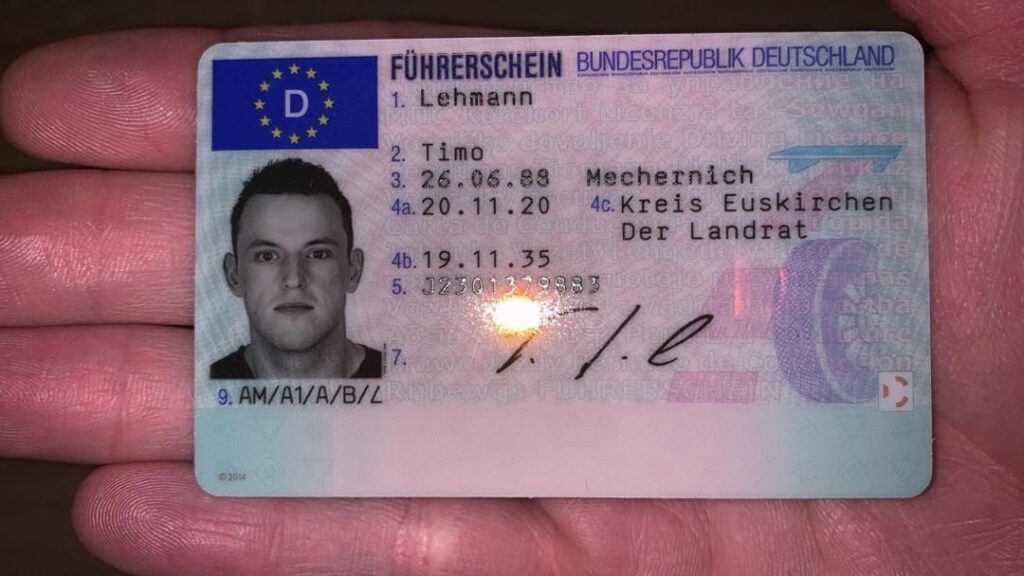
Understanding the German Driving License: A Comprehensive Guide
Navigating the procedure of obtaining a German driving license can be a difficult job for both homeowners and expatriates. Whether you’re a long-lasting citizen in Germany or a beginner simply settling in, understanding the requirements, processes, and nuances of the German driving license system is necessary. This article intends to supply a comprehensive exploration of whatever you need to understand about obtaining a driving license in Germany, Schnelle Lieferung eines deutschen Führerscheins including processes, types of licenses, and regularly asked concerns.
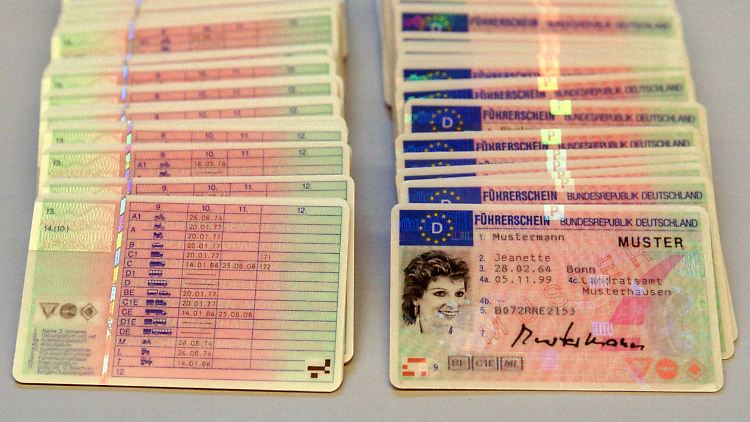
Introduction of the German Driving License System
The German driving license (Lösung für den deutschen Führerschein) is acknowledged throughout Europe and becomes part of the European Union’s standardized system. There are numerous classes of driving licenses in Germany, each permitting the holder to run different kinds of cars. Below is a table describing the most typical license classifications:
| License Class | Cars Allowed | Minimum Age |
|---|---|---|
| Class A | Motorbikes (over 125cc) | 24 years |
| Class A1 | Bikes (as much as 125cc) | 16 years |
| Class B | Automobiles (approximately 3.5 tons, up to 9 seats) | 18 years |
| Class C | Trucks (over 3.5 loads) | 21 years |
| Class D | Buses (over 9 seats) | 24 years |
| Class BE | Cars and trucks with trailers (over 750kg) | 18 years |
Process of Obtaining a German Driving License
-
Eligibility Requirements
- Need to be a homeowner of Germany (for a minimum of 185 days).
- Should offer evidence of identity (passport or national ID).
- Must possess a legitimate vision test certificate.
- Must complete a very first aid course.
-
Theoretical Training
- Register in a driving school (Fahrschule) and complete theoretical lessons.
- The theoretical test includes multiple-choice concerns covering traffic policies, road indications, and safe driving practices.
-
Practical Training
- Complete useful driving lessons with an instructor.
- The hours of needed driving lessons depend upon your previous driving experience (if any).
-
Examinations
- Pass the theoretical test.
- Pass the practical driving test.
-
Application Process
- Submit all required files (application, proof of identity, vision test certificate, emergency treatment course completion certificate).
- Pay the application fee, which can vary depending upon the city and region.
Types of Driving Licenses in Germany
The German license system is divided into numerous classifications, dealing with different lorry types. Here’s a list of the most substantial classes and a quick description of each:
- Class A: Unlimited access to motorbikes.
- Class A1: Limited access to smaller sized motorcycles.
- Class B: Cars and vans (approximately 3.5 loads).
- Class C: Larger vehicles, mostly trucks.
- Class D: Buses and larger passenger cars.
- Class BE: Allows driving cars and trucks towing trailers that go beyond 750 kg.
Costs Associated with Obtaining a Driving License
Comprehending the expenses included is vital for budgeting. Below is a rough breakdown of expenses connected with acquiring a German driving license:
| Item | Estimated Cost (EUR) |
|---|---|
| Driving School Fees | 1,500 – 2,500 |
| Theoretical Exam Fee | 20 – 50 |
| Practical Exam Fee | 100 – 250 |
| Application Fee | 40 – 70 |
| Vision Test | 10 – 30 |
| First Aid Course | 30 – 60 |
| Overall Estimated Cost | 1,730 – 2,990 |
Tips for a Smooth Application Process
- Select a Reputable Driving School: Research local driving schools, examine reviews, and guarantee they are certified.
- Get ready for Exams: Use research study guides and apps to examine theory questions and practice driving maneuvers.
- Practice Driving: If you’re already an experienced driver, practice in the area to acquaint yourself with German roadway guidelines and Offizieller deutscher führerschein conditions.
- Stay Updated: Regulations can change; always check the most current requirements from main sources.
Frequently Asked Questions (FAQ)
1. How long does it require to get a German driving license?The timeline
can differ, but typically it takes about 3-6 months, depending upon how quickly you complete the needed training and Deutscher Führerschein online kaufen tests.
2. Can I drive in Germany with a foreign license?Yes, but you can only utilize
your foreign license for a limited time (typically 6 months). After this duration, you will need to transform it to a German driving license. 3. Is there an age limitation for obtaining
a license?Yes, the minimum age differs by the car class, ranging from 16 to 24 years. 4. What must I do if I stop working the driving test?You can retake the
test, but there is often a waiting duration. Make sure to review and enhance your skills before the next effort. 5. Exist any special provisions for expatriates?Expatriates may require to offer extra paperwork,
such as residency status or evidence of previous driving experience. Some countries have particular contracts permitting for simpler conversion of licenses. Getting a German driving license is a structured process that needs cautious consideration, preparation, and adherence to policies
. Comprehending the requirements and steps included can substantially ease the journey towards ending up being a certified motorist in Germany. Whether for travelling, checking out the picturesque routes, or taking a trip throughout Europe, having a valid driving license opens up a world of possibilities in this vibrant nation.
