

Baby Cot
Add a review FollowOverview
-
Founded Date novembre 5, 1975
-
Sectors Technicien de Maintenance et de Travaux en Système de Sécurité Incendie
-
Posted Jobs 0
-
Viewed 14

Company Description
The 10 Most Scariest Things About Nursery Cot
Choosing the Right Nursery Cot: A Comprehensive Guide for New Parents
Inviting a brand-new baby into the world is among the most recommended cribs happy experiences in life, and developing a safe and comfortable nursery for your child is a crucial part of this journey. Among the most important pieces of furnishings in any nursery is the cot. A nursery cot provides a safe sleeping environment for infants, safeguarding them throughout their delicate first months. This post will delve into the various kinds of nursery cots available, their functions, what to try to find when buying one, and answers to often asked concerns.
Types of Nursery Cots
When selecting a cot for your nursery, it is very important to understand the numerous types offered. Below is a table summarizing different nursery cots and their qualities.
| Type of Cot | Description | Pros | Cons |
|---|---|---|---|
| Standard Cot | A standard fixed-sided baby crib that can be used for babies and young children. | Sturdy, long-lasting, protected. | Bulky, might not fit small spaces. |
| Convertible Cot | A cot that can be converted into a toddler bed or daybed as the child grows. | Versatile, economical in the long run. | Preliminary expense can be greater. |
| Portable Cot | A light-weight crib designed for travel and simple motion around the home. | Easy to store and move; appropriate for travel. | May do not have resilience and support. |
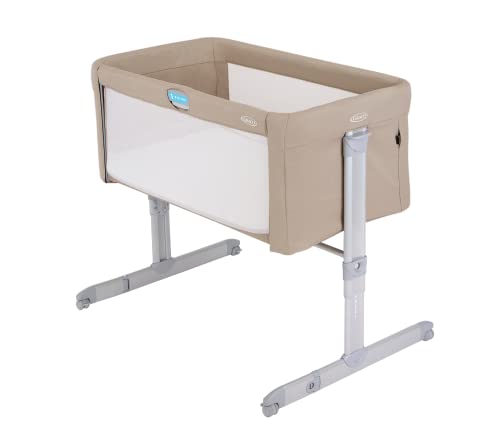
| Co-Sleeper | A smaller baby crib that connects to the side of the parents’ bed for simple access during the night. | Promotes bonding; simple feedings during the night. | Minimal usage as the child grows. |
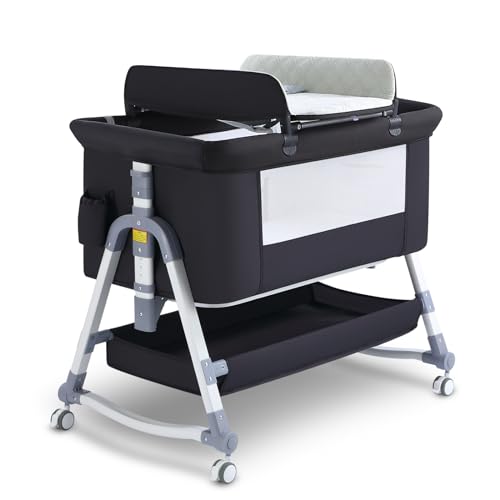
| Bassinet | A smaller, portable sleeping area for newborns, often with a rocking function. | Compact, light-weight, ideal for small cot beds areas. | Minimal lifespan; generally only for newborns. |
Secret Features to Consider
When looking for the ideal nursery cot, a number of features ought to be thought about. Below is a list of important functions to try to find:
-
Safety Standards: Ensure the cot fulfills all safety policies set by your nation. Search for accreditations such as ASTM or JPMA in the United States.
-
Adjustable Mattress Heights: Cots with adjustable heights enable you to decrease the mattress as your baby grows and ends up being more mobile.
-
Sturdy Construction: Ensure the cot is made from high-quality materials, ensuring sturdiness and stability.
-
Non-toxic Finishes: Since children tend to chew on their cots, guarantee that the wood finishes are non-toxic and safe for infants.
-
Ease of Assembly: Look for cots that are easy to assemble and take apart, particularly if you prepare to move it often.
-
Excellent ventilation: A cot with slatted sides permits for air flow, lowering the risk of suffocation or getting too hot.
Getting Considerations
Before purchasing, think about the following:
-
Budget: Establish a spending plan that fits your financial circumstance. Nursery cots can vary considerably in price based on their functions and products.
-
Space Requirements: Measure the offered area in the nursery to guarantee the cot fits easily without overcrowding the room.
-
Durability: Consider whether you want a cot that will last through several children or one that serves a particular function for just one kid.
Maintenance Tips
A nursery cot requires regular maintenance to ensure it remains safe and functional. Here are some ideas to bear in mind:
-
Regular Checks: Frequently check the cot for any loose screws or parts.
-
Cleaning up: Clean the cot with moderate soap and water, preventing severe chemicals that can impact the finish or be harmful to your baby.
-
Bed mattress Care: Ensure the bed mattress fits comfortably within the cot to prevent spaces where the baby might become stuck. Change it if it becomes used out or saggy.
Frequently Asked Questions (FAQ)
1. When should I transition my baby from a baby crib to a toddler bed?
Many children transition in between 18 months and 3 years of ages. It’s necessary to search for signs such as climbing out of the crib or growing out of the cot.
2. Can I utilize a second-hand cot?
Yes, but ensure it meets current security standards and hasn’t been recalled. Check for wear and tear also.
3. What type of mattress is best for a nursery cot?
A firm, flat bed mattress is recommended for infants to lower the danger of suffocation and Sudden Infant Death Syndrome (SIDS). Ensure it fits the cot comfortably.
4. How can I guarantee my baby is safe while oversleeping the cot?
- Always position your baby on their back to sleep.
- Avoid using soft bedding, pillows, or toys in the cot.
- Make sure the cot fulfills security requirements and is devoid of hazards.
5. What are the best materials for nursery cots?
Solid wood is frequently the most resilient option, while some parents may choose good cribs made of metal or composite products. Constantly inspect for non-toxic surfaces.
Picking the right nursery cot is a crucial decision for any new moms and dad, impacting your baby’s safety and convenience. By understanding the various kinds of cots and their functions, parents can make informed options that suit their household’s requirements. Whether choosing a standard cradle or a convertible style, focus on security, resilience, and benefit throughout the choice process. With the ideal cheap cot beds, parents can guarantee their newborn has a safe and serene sleeping environment, paving the way for healthy sleep routines as they grow.
