

Best At Home Treadmill
Add a review FollowOverview
-
Founded Date août 5, 1967
-
Sectors Technicien en systèmes de sûreté
-
Posted Jobs 0
-
Viewed 12

Company Description
The Best Treadmills Tricks To Make A Difference In Your Life
Home Treadmills: Your Guide to Choosing the Perfect Fitness Companion
In an age where benefit often determines our physical fitness routines, home treadmills have emerged as a popular service for individuals seeking to preserve an active way of life without the need to step foot into a gym. With technological improvements and numerous designs offered, browsing through the alternatives can feel overwhelming. This post looks into the necessary components of home treadmills uk treadmills, their advantages, features to consider, and frequently asked questions to assist potential buyers make notified choices.

Benefits of Owning a Home Treadmill
Having a treadmill home in the house offers numerous benefits that accommodate a variety of fitness levels, way of lives, and preferences.
| Benefits | Details |
|---|---|
| Convenience | Allows users to exercise at any time without commuting to a gym. |
| Weather Independent | Makes it possible for exercises despite climate condition, guaranteeing consistency. |
| Cost-Effective | Saves on gym memberships and travel expenses in the long run. |
| Personal privacy | Provides a comfy environment for people who prefer exercising alone. |
| Customizable Workouts | Numerous models include pre-set programs and adjustable settings for personalized routines. |
Key Features to Consider When Buying a Treadmill
When picking a treadmill, comprehending the numerous functions offered is essential. Here are some elements to think about:
1. Motor Power
- The power of the motor, measured in horsepower (HP), is vital for determining the treadmill’s capability to manage your exercise strength and frequency.
- A motor of 2.5 HP or higher is typically advised for routine running.
2. Belt Size
- The size of the running surface impacts convenience during exercises. A minimum belt size of 20 inches in width and 55 inches in length is ideal for most users.
3. Cushioning
- Appropriate cushioning can minimize the influence on joints and improve convenience, particularly for long-distance runners.
4. Slope Options
- Treadmills with adjustable incline settings provide a more varied workout and aid engage various muscle groups.
5. Folding Capability
- For those with limited area, a folding treadmill is a useful option that can be easily kept when not in use.
6. Innovation Integration
- Many contemporary treadmills include Bluetooth connectivity, integrated speakers, and compatibility with physical fitness apps, allowing users to track their development efficiently.
7. Rate and Warranty
- The rate of treadmills varies significantly. It’s vital to set a budget and consider the warranty used by the maker for included comfort.
Types of Home Treadmills
Comprehending the various kinds of treadmills can help limit your choices based upon your fitness goals and area schedule.
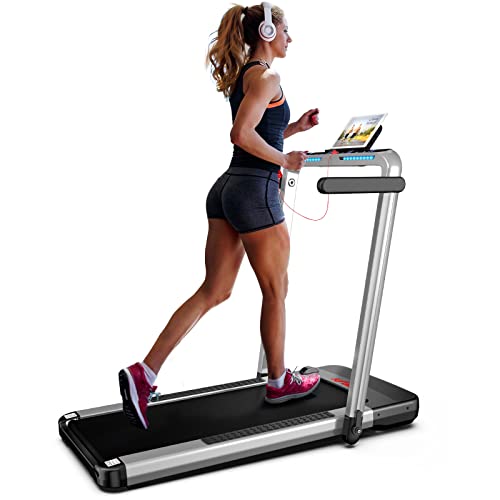
| Type | Description |
|---|---|
| Mechanical Treadmills | These treadmills count on the user’s effort to power the belt; often more budget-friendly however less suitable for intense exercises. |
| Electric uk treadmills | Powered by a motor, these are the most typical type and offer various features and settings for a tailored experience. |
| Folding Best Treadmills | Perfect for minimal areas, folding treadmills can be saved away when not in use. |
| Industrial Treadmills | Built for heavy use, these treadmills are durable and feature-rich however generally more pricey. |
Upkeep Tips for Your Treadmill
To keep a treadmill running efficiently for years, regular maintenance is crucial.
- Clean Regularly: Dust and dirt build-up can affect performance. Clean down the surface area and vacuum around the treadmill best.
- Oil the Belt: Follow the manufacturer’s guidelines on how frequently to oil the belt, generally every 3-6 months.
- Check the Tension: Monitor the belt’s stress to ensure it is not too loose or too tight, as this can cause wear in time.
- Check the Electrical Components: Ensure that all electrical elements are working correctly, and check for any frayed wires.
- Keep it Level: Ensure that the treadmill is on a flat surface to avoid any unnecessary pressure on the motor.
Regularly Asked Questions (FAQ)
1. What is the average life expectancy of a home treadmill?
- A well-maintained treadmill can last anywhere from 7 to 15 years, depending on the quality and frequency of use.
2. Do I need a treadmill with an incline function?
- A slope feature increases exercise intensity and variety, making it beneficial for those looking to improve their fitness level.
3. How much space do I need for a treadmill?
- At a minimum, a treadmill sale must have a space of 2-3 feet on each side and 6-8 feet behind it to guarantee safe use.
4. How frequently should I change my treadmill?
- If you see reduced efficiency, excessive sound, or visible wear, it might be time to think about a replacement.
5. Can I use a treadmill for walking as well as running?
- Yes, the majority of treadmills are designed for both walking and running, permitting flexibility in your exercise regimen.
Buying a home treadmill can transform your physical fitness journey, offering unparalleled benefit and effectiveness. By comprehending the different features, types, and maintenance practices connected with treadmills, you can make an educated decision that aligns with your lifestyle and physical fitness goals. As you embark on this journey, keep in mind that consistency is crucial, and having the ideal equipment in the house can substantially enhance your possibilities of success.
