

Best Cooker Hood
Add a review FollowOverview
-
Founded Date octobre 26, 1920
-
Sectors Commercial en sécurité
-
Posted Jobs 0
-
Viewed 14

Company Description
10 Things That Your Family Teach You About Extractor Hood
The Ultimate Guide to Kitchen Extractor Hoods: A Essential Component for Your Cooking Space
When it concerns cooking delights, the kitchen is undoubtedly the heart of the home. An important yet frequently neglected appliance in this space is the kitchen extractor hood. Not only does it play a significant function in maintaining a tidy and odor-free environment, however it likewise contributes to the general functionality and style of your kitchen. In this detailed guide, we will explore the various kinds of kitchen extractor hoods, their benefits, setup processes, and maintenance tips.
What is a Kitchen Extractor Hood?
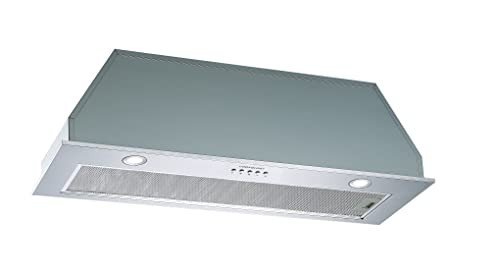
A kitchen extractor hood (or range hood) is a device installed above the cooking surface, usually the stove or cooktop. Its primary function is to aerate smoke, steam, grease, and smells produced during cooking by either recirculating air or tiring it outside. This not only keeps the kitchen air fresh but likewise safeguards the cabinets and walls from grease buildup.
Benefits of Using a Kitchen Extractor Hood
- Improved Air Quality: Extractor hoods remove smoke, odorous fumes, and wetness from cooking, boosting the air quality in the kitchen.
- Fire Safety: By removing combustible grease and particles, they help decrease the threat of kitchen fires.
- Increased Comfort: Maintaining a steady space temperature by eliminating excess heat created during cooking.
- Conservation of Cabinets and Walls: Protects cabinetry andWall coverings from persistent greasy residue and moisture.
- Improved Cooking Experience: A well-ventilated kitchen creates a more enjoyable cooking environment.
Kinds Of Kitchen Extractor Hoods
Whether you’re renovating your Kitchen Extractor Fan or constructing a brand-new one, you’ll wish to select the best kind of extractor hood. Below is a relative table laying out the numerous types:
| Type | Description | Pros | Cons |
|---|---|---|---|
| Wall-Mounted | Mounted to the wall, usually above the stove. | Space-saving, trendy choices. | Needs wall setup. |
| Island Hoods | Suspended from the ceiling above a kitchen island. | Excellent for big kitchens. | Most costly setup. |
| Under-Cabinet | Fits beneath kitchen cabinets, conserving area. | Cost effective, easy to set up. | Restricted venting effectiveness. |
| Integrated Hoods | Integrated into kitchen cabinetry for a smooth appearance. | Aesthetic appeal, discreet. | Can be more complex to install. |
| Downdraft Hoods | Withdraws down when not in use; perfect for cooktops in a center island. | Conserves space, Modern Extractor Fan design. | Minimal suction power. |
Secret Features to Consider
When picking a kitchen extractor hood, it’s important to take the following functions into account:
- Size & & Fit: Ensure that the hood fits the size of your cooking surface.
- Ducted vs. Ductless: Ducted hoods vent fumes outside, while ductless ones filter and recirculate air.
- Suction Power: Measured in cubic feet per minute (CFM), this determines how successfully the hood can pull air.
- Sound Level: Consider the Bels (decibel level) for operation convenience.
- Lighting: Integrated lights can enhance presence while cooking.
- Filters: Aluminum or stainless-steel filters are recyclable, whereas charcoal filters need to be changed occasionally.
Installation Process
Setting up a kitchen extractor hood can be an uncomplicated procedure, depending on the kind of Chimney Hood. Here’s a brief summary of what to anticipate:
- Preparation: Gather tools (screwdrivers, drill, level, etc) and read the maker’s directions.
- Mounting Bracket: Secure the mounting bracket to the wall or ceiling.
- Ductwork: For ducted hoods, connect ductwork to vent air exterior.
- Electrical Connection: Ensure safe circuitry for the hood’s power supply, if relevant.
- Hood Installation: Attach the hood to the installing bracket and ensure it is level.
- Evaluating: After setup, test the fan and light functions to confirm everything works as anticipated.
Maintenance Tips
To lengthen the life and performance of your kitchen extractor hood, regular upkeep is essential. Here are necessary maintenance suggestions:
- Clean the Filters: Wash aluminum or Island extractor fan (https://guide-nouvelle-aquitaine.com) stainless steel filters routinely in warm, soapy water or run them through the dishwasher.
- Wipe Down Surfaces: Clean the outside with a suitable cleaner that won’t damage the finish.
- Check Ducts: Periodically examine and clean ductwork to avoid blockages.
- Lightbulb Replacement: Replace any burnt-out bulbs immediately for optimal lighting.
Frequently Asked Questions (FAQ)
-
How do I know what size extractor hood I require?
- The hood needs to be at least as large as your stove or cooktop and efficiently extend 3-6 inches on either side.
-
What’s the perfect CFM for my kitchen?
- As a basic guideline, you need to go for 100 CFM per direct foot of cooking surface area.
-
How typically should I clean my extractor hood?
- Tidy the filters month-to-month and the exterior every couple of months for optimal performance.
-
Can I set up an extractor hood myself?
- While some installations are simple, hiring a professional is suggested if electrical work or duct installation is included.
-
What’s the difference between ducted and ductless hoods?
- Ducted hoods vent air outside, while ductless hoods recirculate air through filters back into the kitchen.
A kitchen extractor hood enhances not only the functionality of your cooking area however likewise contributes to a healthier environment and aesthetic appeal. By understanding the different types, crucial features, setup processes, and upkeep standards, homeowners can make informed decisions that match their cooking style and area design. Purchasing a quality extractor hood can lead to a more enjoyable cooking experience, changing the heart of the home into an effective and enjoyable space.
