

Built In Ovens Sale
Add a review FollowOverview
-
Founded Date août 29, 1948
-
Sectors Technicien de Maintenance et de Travaux en Système de Sécurité Incendie
-
Posted Jobs 0
-
Viewed 14

Company Description
Ten Hob And Ovens That Really Make Your Life Better
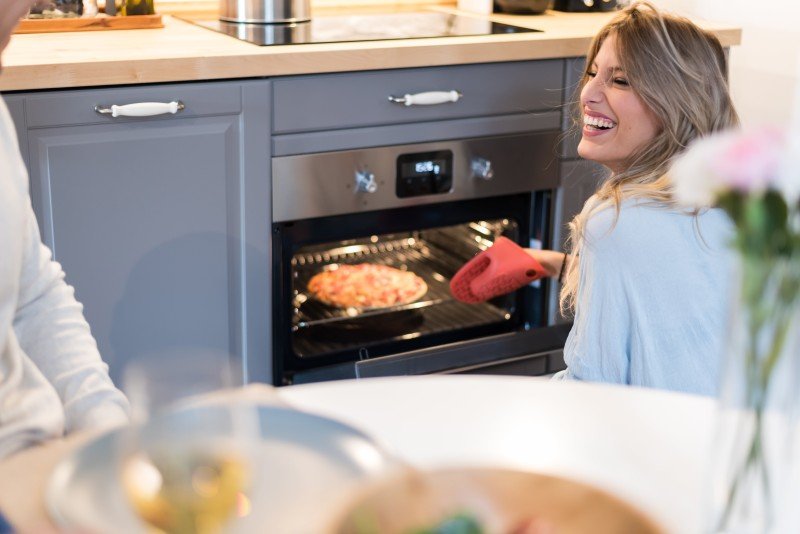
Understanding Cooker Hobs and Ovens: A Comprehensive Guide
In modern-day kitchen areas, cooker hobs and ovens are basic devices that define cooking practices and choices. Choosing the right mix of these gadgets can considerably improve cooking experience, improve effectiveness, and even elevate home visual appeals. This short article will check out different elements of cooker hobs and ovens, shedding light on types, features, benefits, and maintenance suggestions, while also dealing with typical queries.
Types of Cooker Hobs
Cooker hobs come in numerous types, each with special features catering to different cooking designs. Here’s an introduction of the most typical types:
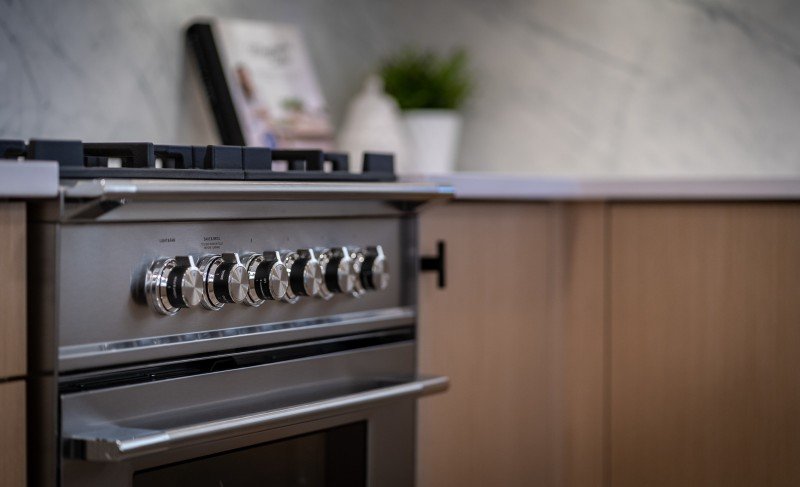
| Type | Description | Pros | Cons |
|---|---|---|---|
| Gas Hob | Uses gas burners for heating; offers immediate temperature level control. | Instant heat and outstanding control. | Requires a gas connection; may be less safe. |
| Electric hob and ovens | Runs utilizing electric coils or smooth surface; warms up gradually. | Even heat distribution; easy to tidy. | Takes longer to heat up; less control. |
| Induction Hob | Uses magnetic fields to heat pots straight, making it energy efficient. | Fast cooking; energy-efficient. | Needs suitable cookware; more expensive. |
| Halogen Hob | Employs halogen bulbs for instant heat; provides immediate temperature level modification. | Exceptionally quickly heating; noticeable heat. | Consumes more power; might not uniformly heat. |
Picking the Right Hob
When choosing a hob, consider the following aspects:
- Cooking Style: Do you choose the accuracy of gas, the benefit of electric, or the effectiveness of induction?
- Pots and pans Compatibility: Ensure your pots and pans work with the type of hob.
- Kitchen Layout: Space and style frequently determine the type of hob that fits your kitchen.
Types of Ovens
Similarly, ovens have actually progressed considerably, providing numerous cooking approaches that can complement particular culinary styles. Here are the prevalent kinds of ovens:
| Type | Description | Pros | Cons |
|---|---|---|---|
| Conventional oven and hob | Traditional baking oven that uses electric or gas heat from the top and bottom. | Versatile; great for baking. | Longer preheat and cooking times. |
| Stove | Uses a fan to flow hot air, allowing even cooking and faster baking times. Disperses heat uniformly. | Faster cooking; even browning. | Somewhat more pricey; might dry food out. |
| Steam Oven | Cooks food using steam, maintaining nutrients and wetness. | Much healthier cooking; maintains food flavor. | Takes longer to prepare; more expensive. |
| Microwave Oven | Utilizes electromagnetic radiation to heat food quickly. | Immediate cooking; suitable for reheating. | Restricted cooking approaches; might affect texture. |
Choosing the Perfect Oven
When selecting an oven, keep these aspects built in ovens sale mind:
- Cooking Habits: Are you a regular baker or more most likely to reheat leftovers?
- Space Requirements: What are the dimensions of your kitchen?
- Spending plan: Consider not simply the purchase cost however also energy effectiveness gradually.
The Importance of Cooker Hobs and Ovens in Cooking
The ideal combination of cooker hob and oven can boost culinary skills, allowing food enthusiasts to experiment and create a wide variety of meals. Here are a couple of reasons these appliances are essential:
- Efficiency: Modern hobs and ovens included features that enhance cooking times and energy usage.
- Flexibility: Different cooking techniques (bake, grill, roast, steam, etc) expand the variety of meals one can prepare.
- Aesthetic Appeal: Stylish styles can raise the general appearance of a kitchen, making it both functional and inviting.
Regularly Asked Questions (FAQs)
1. What maintenance do cooker hobs and ovens require?
- Regular cleaning after usage to prevent buildup.
- Periodic checks for gas leakages (for gas hobs).
- Guaranteeing the electrical connections are safe and secure.
2. Can I use any cookware on an induction hob?
No, induction hobs need ferrous cookware (i.e., magnetic) to work. This suggests stainless steel and cast iron work, while glass and aluminum pots might not.
3. How do I identify the ideal size oven for my kitchen?
Procedure your available area and think about the volume of cooking you typically perform. Requirement ovens sale vary in size, and larger models normally have additional functions.
4. Are convection ovens better than conventional ovens?
It depends upon individual preference. Stove use faster and more even cooking but might not be ideal for all baking dishes, particularly those requiring specific temperature levels.
5. What is the typical lifespan of a cooking hob and oven?
With proper care, both hobs and ovens can last anywhere from 10 to 20 years, depending on frequency of usage and maintenance.
Picking the right cooker hob and oven not just streamlines the cooking process but can likewise redefine one’s culinary experience. Comprehending the various types, their advantages, and upkeep will empower consumers to make educated choices, guaranteeing that their kitchen is geared up to deal with meals from the easiest to the most sophisticated. Understanding about the capabilities of these necessary appliances enables cooking creativity and efficiency, eventually leading to a more satisfying cooking journey.
