Buy Undetectable Counterfeit Money
Add a review FollowOverview
-
Founded Date décembre 3, 2023
-
Sectors Operateur en videoprotection en CSU
-
Posted Jobs 0
-
Viewed 118

Company Description
20 Things You Should ASK ABOUT Counterfeit Bills Before You Purchase Counterfeit Bills
Understanding Counterfeit Bills: The Threat, the Prevention, and the Future
Counterfeit bills have been a significant problem throughout history, affecting economies, businesses, and individuals alike. In a world where transactions are becoming significantly digital, the issue of counterfeit currency continues, with counterfeiters discovering ingenious ways to make use of vulnerable areas in the financial system. This post explores the ins and outs of counterfeit bills, offering insights into their nature, how they are developed, techniques for prevention, and the prospective future of currency.
The Anatomy of Counterfeit Bills
What are Counterfeit Bills?
Counterfeit bills are imitation currency produced with the intent to trick individuals or entities into accepting them as genuine money. These deceitful bills typically mirror the design and feel of genuine currency, making them more challenging to spot.
Why Do People Counterfeit Money?
Counterfeiting, while unlawful, can be financially rewarding. Here are some of the reasons people or groups might take part in such activities:
- Financial Gain: Counterfeiters intend to benefit from their illegal activities.
- Access to High-Quality Printing Technology: Advances in printing technology have actually made it simpler for counterfeiters to produce high-quality imitations.
- Need for Cash: In particular economies, the demand for cash makes counterfeiting appealing.
Typical Counterfeit Techniques
Counterfeiters use different approaches to reproduce currency, consisting of:
| Technique | Description |
|---|---|
| Digital Printing | Using high-resolution printers to produce fake notes. |
| Lithography | Conventional printing procedures to produce imitations. |
| Photographic Copies | Scanning and printing high-quality photographs of real bills. |
| Chemical Alteration | Modifying existing bills to alter the denomination. |
The Impact of Counterfeit Bills
The ramifications of counterfeit currency reach far beyond the immediate financial loss. Here’s how counterfeit bills affect numerous stakeholders:
1. Services
- Financial Loss: Merchants might confront 100% loss on counterfeit bills passed to them.
- Undermined Trust: Businesses may lose customer trust, impacting future sales.
2. Consumers
- Loss of Value: Individuals may unwittingly end up with counterfeit bills, losing their money.
3. Government and Economy
- Increased Inflation: Counterfeit currency can result in inflation, as it fills the market with fake money.
- Law Enforcement Costs: Increased need for policing and enforcement diverts state resources.
How to Detect Counterfeit Bills
Recognizing counterfeit currency is essential. Here are the basic functions to search for when validating bills:
Features of Real Currency
| Security Feature | Description |
|---|---|
| Watermark | An ingrained watermark that shows up when held up to light. |
| Security Thread | A thread that goes through the bill, readable under UV light. |
| Color-Shifting Ink | Ink that alters color when viewed from different angles. |
| Microprinting | Tiny text that is hard to duplicate. |
Tips for Detection
- Feel the Bill: Real currency has a distinct texture due to the paper and printing process.
- Check the Edges: Genuine bills have sharp, clear edges instead of the soft or fuzzy edges of Purchase counterfeit bills bills.
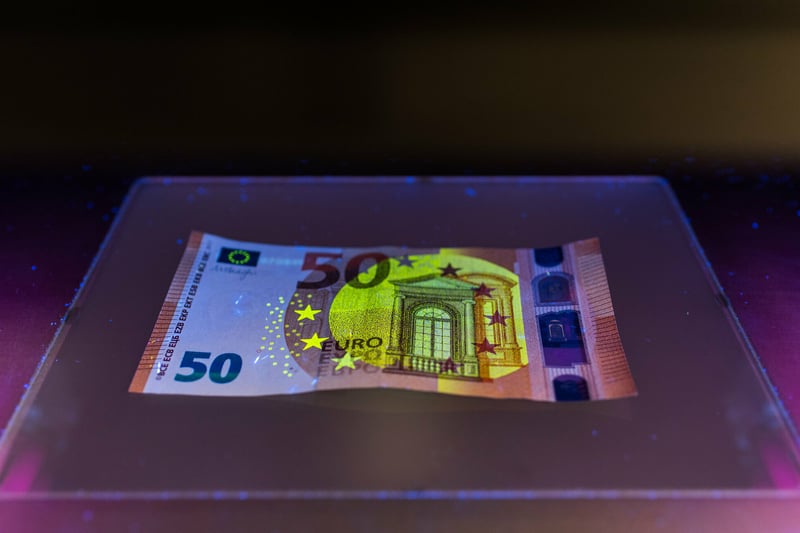
- Utilize a UV Light: Many security components are just noticeable under ultraviolet (UV) light.
Preventing Counterfeit Bills
Preventative measures can substantially reduce the opportunities of succumbing to counterfeit currency, specifically for companies. Here are several techniques to consider:
1. Education and Training
- Supply personnel with training on how to identify counterfeit bills and recognize security features.
2. Usage of Technology
- Consider utilizing counterfeit detection machines that can quickly recognize fake bills.
3. Frequent Monitoring
- Routine audits of cash holdings can help in early detection of counterfeit bills.
4. Bank Partnerships
- Work closely with banks to receive upgraded info on counterfeit trends and procedures.
5. Public Awareness Campaigns
- Motivate regional organizations to participate in neighborhood awareness concerning counterfeiting.
The Future of Currency
With improvements in innovation and an increasing pattern towards cashless transactions, the future of currency remains unpredictable. Professionals are exploring various possibilities:
- Digital Currency: Cryptocurrencies and reserve bank digital currencies (CBDCs) could decrease reliance on physical cash, potentially minimizing counterfeiting.
- Enhanced Security Features: Innovations in security functions for physical currency might include sophisticated holograms and ingrained chips to further prevent counterfeiters.
- Blockchain Technology: This might provide a safe and secure approach for deals, minimizing the function of conventional cash.
Regularly Asked Questions (FAQ)
1. How can I tell if a bill is counterfeit?
To recognize a counterfeit costs, check for the security includes discussed earlier, such as the watermark and color-shifting ink.
2. What should I do if I get a counterfeit expense?
If you think you have a counterfeit bill, do not try to pass it on. Contact regional police or your bank for more guidance.
3. Are specific bills more likely to be counterfeited?
Usually, greater denomination bills, like ₤ 100 notes, are counterfeited more frequently due to the willingness of individuals to pass them on.
4. Can innovation aid in avoiding counterfeiting?
Yes, counterfeit detection devices and advanced printing innovation can help in determining counterfeit bills before they go into blood circulation.
5. What is the penalty for counterfeiting currency?
Counterfeiting is a severe criminal activity and can result in extreme penalties, consisting of significant fines and jail time.
Counterfeit bills stay a persistent issue, impacting businesses, consumers, and nationwide economies. By understanding the nature of counterfeiting, recognizing security features, and utilizing avoidance techniques, people and organizations can better secure themselves against this deceptive practice. With the evolving landscape of currency, cooperation in between federal governments, organizations, and consumers is important in suppressing counterfeiting activities successfully.