

Cooker Extractors
Add a review FollowOverview
-
Founded Date avril 24, 1919
-
Sectors Technicien de Maintenance et de Travaux en Système de Sécurité Incendie
-
Posted Jobs 0
-
Viewed 15

Company Description
11 « Faux Pas » That Are Actually Acceptable To Create Using Your Small Cooker Hoods
The Essential Guide to Small Cooker Hoods: Size Matters in Kitchen Design
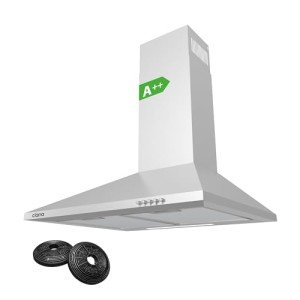
In the modern kitchen, functionality and aesthetic appeals work together. One component that plays an important role in both elements is the cooker hood. For those working with restricted area or looking for a minimalist style, small cooker hoods offer a perfect solution. In this article, we will explore the significance of small cooker hoods, their types, features, benefits, and address some regularly asked concerns.
Why Small Cooker Hoods Matter
Small cooker hoods serve a vital function in any kitchen environment. They assist eliminate smoke, steam, grease, and smells produced throughout cooking, making sure a cleaner and much healthier area. Not just do they enhance air quality, however they also safeguard kitchen surface areas from grease build-up, which can be a long-lasting upkeep concern.
Table 1: Benefits of Small Cooker Hoods
| Advantage | Explanation |
|---|---|
| Area Saving | Compact styles suit small kitchen locations. |
| Improved Air Quality | Effectively removes smoke and odors. |
| Visual Appeal | Readily available in various designs to improve décor. |
| Easy Installation | Typically uncomplicated to set up in tight spaces. |
| Versatility | Appropriate for different types of cooking areas. |
Kinds Of Small Cooker Hoods
When it comes to choosing a small cooker hood, several alternatives are offered. Various types cater to differing kitchen designs and choices:
-
Wall-Mounted Cooker Hoods: These hoods are fixed to the wall above the stove. They are available in different styles, including traditional and modern designs, making them suitable for different kitchen aesthetic appeals.
-
Under-Cabinet Cooker Hoods: As the name suggests, these are set up underneath kitchen cabinets, ideal for optimizing counter space while offering efficient ventilation.
-
Island Cooker Hoods: Intended for kitchens with an Island Cooker Hood cooking area, these hoods hang from the ceiling and can provide a remarkable centerpiece while effectively eliminating airborne particles.
-
Ductless Cooker Hoods: Ideal for houses or areas where venting outdoors is impossible, ductless hoods filter air through charcoal and recirculate it back into the kitchen.
-
Downdraft Cooker Hoods: These are retractable hoods that emerge from the counter top when in usage, offering a streamlined and discreet option for those who prioritize style and area.
Table 2: Comparison of Small Cooker Hood Types
| Type | Setup Location | Setup Complexity | Air Extraction Method |
|---|---|---|---|
| Wall-Mounted | Wall above stove | Moderate | Ducted or ductless |
| Under-Cabinet | Underneath cabinets | Easy | Ducted or ductless |
| Island | Suspended over island | Moderate | Ducted |
| Ductless | Anywhere | Easy | Recirculating |
| Downdraft | Countertop | Advanced | Ducted or recirculating |
Key Features to Look for in Small Cooker Hoods
Choosing the right small cooker hood involves searching for various features to ensure they fulfill your needs. Here are some important features to think about:
-
Extraction Rate: Measured in cubic meters per hour (m THREE/ h), this shows how effectively the hood can get rid of smoke and smells. A higher extraction rate is usually better for frequently used kitchens.
-
Noise Level: Measured in sones, the sound level must be thought about, particularly in open-plan kitchens. A lot of small cooker hoods run in between 30 to 70 dB. Try to find quieter models for a more pleasant cooking experience.
-
Filtering System: Choose in between ducted and ductless hoods based upon your kitchen layout. If deciding for ductless, guarantee the hood has a premium charcoal filter for effective smell absorption.
-
Lighting: Built-in lighting can enhance presence while cooking, making the entire cooking procedure more efficient.
-
Reduce of Cleaning: Removable and dishwasher-safe filters simplify upkeep. Stainless-steel surface areas are generally simpler to tidy than painted ones.
Table 3: Essential Features for Small Cooker Hoods
| Function | Significance |
|---|---|
| Extraction Rate | Affects air quality during cooking |
| Noise Level | Important for an enjoyable kitchen environment |
| Filtering System | Crucial for efficient removal of smoke and odors |
| Built-in Lighting | Enhances presence while cooking |
| Ease of Cleaning | Conserves effort and time in maintenance |
Setup Considerations
Even with a compact size, the installation of a small cooker hood needs some planning. Here are some crucial steps to consider:
-
Measure Your Space: Carefully determine the location above your cooking surface to guarantee that the picked cooker hood will fit without overcrowding.
-
Select the Right Height: Follow producer requirements for height placement. Typically, the bottom of the hood need to be 65-75 cm above the cooktop for optimum efficiency.
-
Examine Ventilation: Ensure there’s an appropriate exit for ducted hoods. For ductless options, identify the best positioning for air recirculation.
-
Use Professional Help: If not sure about installation treatments or electrical connections, consider employing an expert to guarantee security and optimal performance.
Regularly Asked Questions (FAQ)
-
What size cooker hood do I need for my small kitchen?
- The size depends on the width of your cooking surface. A basic guideline is to choose a hood that is at least the very same width as the cooking surface area.
-
Are small cooker hoods less efficient than larger ones?
- Not always. A properly designed small cooker hood can effectively manage smoke and odors simply as well as a larger model, specifically if it has a high extraction rate.
-
How do I keep my small cooker hood?
- Regularly clean or change filters based on the producer’s recommendations. Clean down the hood surface area with a mild cleaner to avoid grease accumulation.
-
Can I set up a cooker hood myself?
- It is possible, but for those unknown with plumbing and electrical work, employing a professional can make sure security and appropriate installation.
-
Is a ductless cooker hood efficient?
- Ductless hoods can be reliable, particularly in kitchens without correct ventilation. Nevertheless, they need routine filter changes to ensure optimum performance.
Small cooker hoods are a functional and elegant necessity for modern kitchens, particularly in minimal areas. From different types to important functions, understanding what to search for can guarantee that you pick the best option for your cooking environment. By prioritizing air quality, visual appeals, and upkeep, property owners can develop a gorgeous and effective kitchen that caters to their specific needs.
