

Cooker Fan
Add a review FollowOverview
-
Founded Date juillet 28, 1969
-
Sectors Operateur en videoprotection en CSU
-
Posted Jobs 0
-
Viewed 21

Company Description
Why Cooker Hood Is So Helpful During COVID-19
The Essential Guide to Extractor Cooker Hoods: Functionality, Types, and Maintenance
In today’s culinary landscape, the kitchen is often the heart of the home. As such, ensuring it stays a clean and comfortable environment is necessary. Among the most efficient tools in attaining this is the extractor cooker hood. This article explores the functionality, types, functions, and upkeep of extractor cooker hoods, equipping property owners with the knowledge they require for a well-ventilated kitchen.
What is an Extractor Cooker Hood?
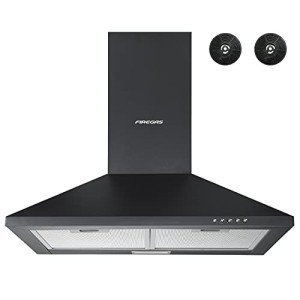
An extractor cooker hood, also referred to as a range hood, is a kitchen home appliance created to siphon air-borne grease, smoke, odors, and steam far from the cooking location. By doing so, it helps preserve air quality, improves convenience, and prevents grease from settling on kitchen surface areas.
How Does it Work?
The extractor hood runs utilizing a mix of fans and filters. The fan draws in cooking fumes and particles, while the filters get rid of grease and other contaminants. The purified air can then be vented outside or recirculated back into the kitchen, depending upon the kind of hood used.
Types of Extractor Cooker Hoods
Extractor cooker hoods differ considerably in style and functionality. Here’s an in-depth breakdown of the primary types:
| Type | Description | Perfect For |
|---|---|---|
| Chimney Hoods | Wall-mounted hoods that hang above the stove, featuring a chimney-like structure for venting. | Modern kitchens with high ceilings. |
| Under-Cabinet Hoods | Installed below cabinets, these hoods are compact and concealed from view. | Smaller kitchens or houses. |
| Island Hoods | Suspended hoods for kitchen islands, they provide effective ventilation while being visually striking. | Open-layout kitchens. |
| Downdraft Hoods | Retractable hoods that emerge from the countertop, they lessen visual clutter. | Minimalist designs and islands. |
| Wall-Mounted Hoods | Repaired straight to the wall, frequently resembling a chimney style, offering a modern edge. | Conventional and rustic kitchens. |
| Recirculating Hoods | Hoods without external venting; they filter the air and recirculate it back into the kitchen. | Houses without external vent gain access to. |
Secret Features to Consider
When choosing an extractor cooker hood, it’s necessary to examine a number of essential functions to ensure it satisfies your needs. Below is a list of essential characteristics:
-
Suction Power (CFM): Measured in cubic feet per minute (CFM), this indication defines how much air the hood can move. Consider your cooking design and frequency to identify the required CFM.
-
Sound Level (Son): Assess the sound level determined in sones; lower sone rankings imply quieter operation.
-
Filter Type: Choose between mesh, baffle, and charcoal filters according to maintenance preference. Mesh filters are easy to clean, baffle filters catch larger particles, and charcoal filters are perfect for recirculating hoods.
-
Ventilation Type: Ensure compatibility with your home’s structure– is external venting readily available or will you count on recirculation?
-
Size: The hood needs to be at least as wide as your cooktop to capture all produced smoke and smells effectively.
-
Lighting: Integrated lights enhance visibility throughout cooking, adding both performance and ambiance to your kitchen space.
-
Design: Opt for a style that matches your kitchen looks– whether modern, timeless, or minimalist.
Benefits of Using an Extractor Cooker Hood
Purchasing a good Extractor Cooker Hood – Www.Talishaopielski.Top – offers numerous advantages:
-
Improved Air Quality: By effectively eliminating smoke, steam, and odours, you can delight in a fresher indoor environment.
-
Increased Comfort: A well-ventilated kitchen reduces cooking heat, producing a more comfortable cooking experience.
-
Lowered Grease Build-up: Regular use prevents grease from sticking to surfaces, making kitchen cleansing a lot easier.
-
Enhanced Cooking Performance: A clear, smoke-free environment indicates you can concentrate on your culinary creations without diversions.
Upkeep Tips for Extractor Cooker Hoods
To maximize the life and effectiveness of your extractor hood, follow these maintenance standards:
-
Regular Cleaning: Clean the filters (preferably each month) and the exterior surface areas frequently with warm soapy water; use a degreaser for persistent grease.
-
Check the Fan: Periodically examine the fan housing for dust and grease accumulation, and clean as required.
-
Replace Filters: Change or clean permanent filters as shown by the manufacturer. Charcoal filters in recirculating hoods generally require replacement every 6-12 months.
-
Inspect the Ductwork: Ensure there is no blockage in the venting duct; clear any obstructions to maintain optimum airflow.
-
Check for Damage: Regularly examine the hood for wear and tear. Any harmed parts need to be dealt with immediately to prevent additional concerns.
Often Asked Questions (FAQ)
1. How do I select the ideal size extractor cooker hood for my kitchen?
The hood should be at least as broad as your cooking location. Furthermore, determine the height from your stove to the ceiling and guarantee the hood fits comfortably within that area.
2. Can I install an extractor cooker hood myself?
Setup can be complicated, specifically for ducted hoods. While some homeowners might select to do it themselves, consulting an expert is suggested for optimal performance and compliance with building codes.
3. How typically should I clean my extractor cooker hood?
It’s suggested to tidy filters month-to-month and the outside surfaces weekly. Nevertheless, the frequency may differ based on cooking routines.
4. What is the difference in between ducted and recirculating hoods?
Ducted hoods vent air outside, while recirculating hoods filter and return air into the kitchen. Ducted hoods are generally more effective at removing pollutants.
5. Are extractor cooker hoods loud?
The sound level can vary by design and brand. Lots of modern designs are developed with quieter operation in mind. Inspect the sone score to comprehend the expected noise level.
An extractor cooker hood is an indispensable kitchen device that integrates functionality with aesthetics. By understanding the various types, features, and upkeep practices, property owners can make informed choices that add to a cleaner, more comfortable cooking environment. Whether you’re a skilled chef or a casual cook, the best extractor hood can change your culinary experience while promoting a healthier home atmosphere.
