

Cooker Hoods
Add a review FollowOverview
-
Founded Date mai 30, 1938
-
Sectors Opérateur en télésurveillance
-
Posted Jobs 0
-
Viewed 14

Company Description
Guide To Cooker Hood Extractor Fans: The Intermediate Guide For Cooker Hood Extractor Fans
Understanding Cooker Hood Extractor Fans: A Comprehensive Guide
In modern kitchens, preserving a clean and comfy environment is paramount for both cooking enthusiasts and daily home cooks alike. One often-overlooked hero in accomplishing this objective is the cooker hood extractor fan. These necessary appliances not only boost the aesthetic of a kitchen however also play a crucial function in guaranteeing a healthy environment by effectively eliminating smoke, odors, and air-borne grease. In this post, we will explore the different types of cooker hood extractor fans, their advantages, setup considerations, upkeep pointers, and far more.
What is a Cooker Hood Extractor Fan?
A cooker hood extractor fan, typically called a range hood or kitchen hood, is installed above a stove or cooktop to aerate the cooking area. It works by drawing in cooking fumes, steam, smoke, and odors through filters before recirculating or expelling tidy air back into the kitchen or outside. These hoods come in numerous styles, sizes, and functionality, making them an essential component of kitchen style.
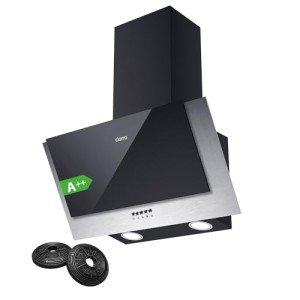
Types of Cooker Hood Extractor Fans
Selecting the best type of cooker hood is essential for ideal kitchen performance. Below is a table summing up the various kinds of cooker hood extractor fans:
| Type | Description | Pros | Cons |
|---|---|---|---|
| Wall-Mounted | Installed on the wall above the cooking surface area. | Space-saving, stylish options readily available. | Needs ducting if vented outdoors. |
| Under-Cabinet | Set up underneath kitchen cabinets above the stove. | Discreet, does not use up additional area. | Minimal extraction power compared to others. |
| Island | Suspended from the ceiling over an island cooktop. | Dramatic look, reliable for open kitchen areas. | May require additional support structures. |
| Downdraft | Retracts into the countertop when not in use, supplying a smooth appearance. | Smooth style, perfect for minimalist kitchens. | Less powerful than standard hoods. |
| Chimney | Functions a vertical duct resulting in the outside, providing powerful ventilation. | Highly reliable, aesthetically pleasing. | Bulkier design might not fit all kitchens. |
| Recirculating | Filters air and recirculates it back into the kitchen, perfect for spaces without venting. | Much easier to set up, no exterior ducting required. | Less effective than ducted designs. |
Benefits of Cooker Hood Extractor Fans
Purchasing a cooker hood extractor fan provides various advantages for house owners. Some advantages include:
- Improved Air Quality: By getting rid of smoke, smells, and grease particles from the air, cooker hoods enhance indoor air quality.
- Enhanced Cooktop Efficiency: A well-ventilated kitchen enables for more secure and more effective cooking, lowering the threat of smoke accumulation and overheating.
- Visual Appeal: Modern designs of extractor fans add style and beauty to kitchen decor.
- Humidity Control: By removing excess moisture, cooker hoods help prevent the development of mold and mildew.
- Minimized Grease Buildup: Efficient extraction minimizes grease build-up on kitchen surface areas, making cleaning much easier.
Setup Considerations
When it concerns setting up a cooker hood extractor fan, numerous aspects need consideration:
- Size and Dimensions: Ensure the hood is effectively sized to cover the cooking location. The hood should preferably be wider than the cooking home appliance.
- Ducting vs. Recirculating: Decide whether to set up a ducted (vented to the outside) or recirculating (filters and returns air) model based upon kitchen layout and regional building regulations.
- Height Above Cooktop: Install the hood at the suggested height between the cooktop and the bottom of the hood for optimal performance (typically 24 to 30 inches).
- Electrical and Ventilation Requirements: Check regional codes and make sure that your setup satisfies any necessary electrical and ventilation requirements.
Upkeep Tips for Cooker Hood Extractor Fans
To ensure the longevity and effectiveness of cooker hood extractor fans, regular upkeep is essential. Here are some necessary upkeep ideas:
-
Clean or Replace Filters: Depending on the kind of hood, grease filters must be cleaned or replaced routinely to preserve air flow. Metal filters can typically be washed, while charcoal filters might need replacement.
-
Wipe Down the Exterior: Regularly tidy the fan’s outside surface areas with moderate soap and water to avoid grease buildup and keep its appearance.
-
Check Ducting: For ducted models, look for clogs in the ducting. Guarantee that it is devoid of grease build-up that can impede air flow.
-
Test the Functionality: Occasionally test the fan’s operation to guarantee it is running effectively. Listen for unusual sounds that might show mechanical issues.
-
Expert Servicing: Consider having actually the hood serviced by a professional every few years to guarantee all parts are operating correctly.
Frequently Asked Questions (FAQ)
1. How do I select the best size cooker hood for my kitchen?The hood size
must usually be larger than your cooking home appliance. For the majority of cooktops, a width of 30 inches is standard, but larger varieties will require wider hoods.
2. Do I need to install a ducted or recirculating hood?This decision depends upon your kitchen design. If venting to the exterior is possible, ducted hoods are chosen for their performance. If not, recirculating designs are a practical option.
3. How typically need to I clean my cooker hood filters?This mainly depends upon usage, but it’s advisable to tidy metal filters monthly and replace charcoal filters every 6 months for ideal efficiency. 4. Can I install a cooker hood myself, or do I require a professional?While some property owners may be comfortable with DIY installation, it’s suggested to work with an expert for more complex installations, specifically those involving ductwork. 5. Will a cooker hood extractor fan lower kitchen heat?Yes, efficiently eliminating heat, steam, and smoke from cooking helps in regulating kitchen temperature level, producing a more comfy cooking environment. Cooker hood extractor fans are essential in modern kitchens, improving air quality, enhancing cooking efficiency, and adding to home visual appeals.
With a variety of choices readily available, choosing the best cooker hood, guaranteeing appropriate installation, and adhering to maintenance protocols will ensure this kitchen appliance serves its purpose efficiently for many years. Purchasing a quality extractor fan is not only a useful option but also a step towards creating a much healthier cooking environment.
