

Custom Door Handle Repair
Add a review FollowOverview
-
Founded Date octobre 8, 1944
-
Sectors Opérateur en videoprotection (Sécurité Privée)
-
Posted Jobs 0
-
Viewed 14

Company Description
The 10 Scariest Things About Door Handle Repair And Installation
Door Handle Repair and Installation: A Comprehensive Guide
Door handles are one of the most neglected yet essential components of any office or home. They operate as the primary methods of accessing and protecting a room, yet they frequently use out or become damaged gradually. This article will supply an in-depth overview of door handle Repair and installation (Https://www.udrpsearch.com/user/noodlearies8), highlighting the needed tools, the step-by-step process for both repair and installation, the kinds of door handles available, and some regularly asked questions to help readers make notified choices.
Why Door Handle Repair and Installation Matter
Door handles can break, become loose, or fail to work effectively due to comprehensive usage, direct exposure to the aspects, or basic wear and tear. Appropriate door handle functionality plays a significant role in both security and convenience in day-to-day life. Whether it’s a residential door or a workplace entrance, a working door handle is vital.
Typical Issues with Door Handles
Before diving into repair and installation, it’s vital to know the typical issues that can occur with door handles:
| Problem | Description |
|---|---|
| Loose Handle | The handle might wobble and not run efficiently. |
| Sticking Mechanism | The handle might stick or be challenging to turn. |
| Broken Handle | The handle might snap or break under pressure. |
| Misaligned Hardware | The entire system may be off-center or misaligned. |
| Rust and Corrosion | Metal handles can rust, impacting their function. |
Understanding these issues can help property owners take appropriate action, whether it’s a simple repair or a full replacement.
Tools and Materials Needed
Before attempting any repair or installation, guarantee you have the following tools on hand:
Tools
- Screwdriver: Typically, a Phillips head or flathead screwdriver will be adequate.
- Drill: Necessary for installing new handles if drilling is needed.
- Pliers: Useful for eliminating persistent screws or clips.
- Measuring Tape: For exact measurements, particularly if installing a brand-new handle.
- Level: To guarantee the handle is set up properly.
Materials
- Replacement Handle: Choose a handle that matches your needs and decor.
- Screws: If not included with the brand-new handle.
- Lubricant: For sticky systems to enhance performance.
- Wood Filler or Touch-up Paint: If you’re fixing door handles the door frame or handle area.
Step-by-Step Guide to Door Handle Repair
Repairing a Loose Handle
-
Recognize the Problem: Determine if it’s a loose screw or a more considerable issue.
-
Tighten up the Screws: Using a screwdriver, tighten up the screws on the handle’s base.
-
Inspect the Mechanism: If the handle is still loose, you may need to take apart the handle to examine the internal system.
-
Reassemble the Handle: Ensure all elements are fitted firmly before reassembling.
Fixing a Sticking Mechanism
-
Get rid of the Handle: Unscrew the handle from the door handle technicians and separate it from the lock.
-
Clean the Mechanism: Use a fabric to clean any dirt or particles.
-
Apply Lubricant: Apply a silicone-based lube to the lock and system.
-
Reassemble and Test: Put whatever back together and check the functionality.
Changing a Broken Handle
-
Remove the Old Handle: Unscrew the broken handle and remove it from the door.
-
Measure the Space: Measure the existing hardware to guarantee the new handle fits.
-
Attach the New Handle: Follow the manufacturer’s instructions for securing the new handle in location.
-
Test the New Handle: Ensure that it operates smoothly and functions effectively.
Step-by-Step Guide to Door Handle Installation
Installing a New Door Handle
-
Pick the Right Handle: Select a handle that matches the door design and fulfills functional requirements.
-
Mark the Placement: Use a measuring tape to mark where the handle will be set up, ensuring it lines up with any existing holes.
-
Drill Holes: If required, drill brand-new holes for the handle and lock mechanism.
-
Set up the Latch: Insert the latch mechanism into the door edge and protect it with screws.
-
Connect the Handle: Place the handle on either side of the door, aligning it with the lock mechanism.
-
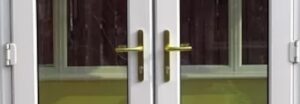
Protect the Handle: Tighten all screws and make sure everything is protected tightly.
-
Final Check: Test the handle to ensure it runs efficiently.
Kinds Of Door Handles
When picking a door handle, consider the following choices:
| Type | Description |
|---|---|
| Lever Handles | Easy to use and typically developed for availability. |
| Knob Handles | Conventional style, might require more grip strength to use. |
| Euro Profile Cylinders | Common in Europe, provides both locking and unlocking function. |
| Deadbolts | Includes extra security, typically utilized in combination with handles. |
| Smart Handles | Digital or electronic handles that provide keyless entry. |
Tips for Choosing the Right Door Handle
-
Consider Use: Choose a design that fulfills the needs of its users. For instance, lever handles are frequently more user-friendly for kids and the elderly.
-
Match Decor: Select a handle that complements existing office or home decoration.
-
Examine Durability: Invest in handles that are made from high-quality materials to endure wear and tear.
Often Asked Questions (FAQs)
1. How do I understand if my door handle requirements to be replaced?
Signs include extreme wobbling, sticking mechanisms, or if the handle is physically damaged or broken.
2. Can I set up a door handle myself, or should I employ a professional?
Many people can effectively set up a door handle technician near me handle with fundamental tools and directions. However, if you’re uncomfortable with DIY jobs or your door needs unique installation, working with a professional is recommended.
3. What types of door handles are best for security?
Deadbolts integrated with lever or knob handles offer improved security, while clever handles with electronic locking systems add benefit and safety.
4. How can I preserve my door handle to lengthen its lifespan?
Routinely tidy the handle, tighten up screws, and use lubricant to the system as required. Look for rust and use protective coverings if essential.
Repairing or installing a door handle might appear overwhelming, however with the right tools and knowledge, it can be a simple DIY job. Comprehending the typical problems, picking the suitable handle, and following the outlined actions will make sure that your door handles function efficiently for many years to come. Whether selecting a repair or a full installation, guaranteeing the security and benefit of your doors is always worth the effort.
