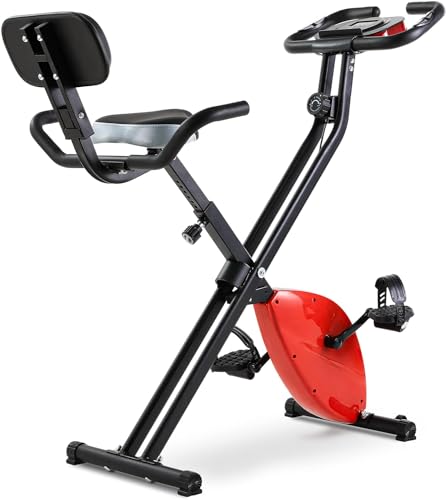
Exercise Home Cycle
Add a review FollowOverview
-
Founded Date septembre 4, 1983
-
Sectors Operateur en videoprotection en CSU
-
Posted Jobs 0
-
Viewed 11

Company Description
20 Things Only The Most Devoted Exersise Bike Fans Are Aware Of
The Comprehensive Guide to Exercise Bikes: A Pathway to Fitness
In the world of fitness, exercise bikes have actually carved a desired niche, integrating convenience with efficiency for enthusiasts and newbies alike. Whether one is wanting to lose weight, build endurance, or just remain active, the stationary cycle for exercise bicycle uses a versatile and efficient exercise. This short article dives deep into the world of stationary bicycle, discussing their benefits, types, essential features, and suggestions for making the most of exercises. Furthermore, an FAQ area addresses common queries for anybody considering purchasing this fitness devices.
The Benefits of Using an Exercise Bike
Exercise bikes use a myriad of advantages that accommodate various physical fitness levels and objectives. A few of the significant benefits include:
- Low Impact on Joints: Cycling is gentle on the joints, making it a perfect exercise for people with joint concerns or arthritis.
- Cardiovascular Health: Regular use enhances heart health by boosting cardiovascular endurance and promoting much better circulation.
- Weight Management: A constant cycling routine can support weight-loss and management by burning substantial calories.
- Convenience: Exercise bikes supply the flexibility to exercise in the house, removing the need for gym trips.
- Customization of Workouts: Many models come equipped with programmable functions, enabling users to personalize workouts based upon their goals and fitness levels.
Table 1: Benefits of Using an Exercise Bike
| Benefit | Description |
|---|---|
| Low Impact | Gentle on joints, suitable for all fitness levels. |
| Cardiovascular Health | Boosts heart function and flow. |
| Weight Management | Aids in burning calories for weight-loss. |
| Convenience | Enables exercises from the comfort of home. |
| Modification | Numerous designs offer programmable workout functions for customized routines. |
Types of Exercise Bikes
When thinking about an exercise bikes home bike, it’s important to comprehend the different types offered. Each type has its unique features and benefits:
- Upright Bikes: Resembling standard bicycles, these bikes engage the core and upper body while concentrating on the legs.
- Recumbent Bikes: These bikes include a reclining seat that offers back support, making them perfect for people with back problems.
- Spin Bikes: Designed for high-intensity exercises, spin bikes have a much heavier flywheel and enable standing while pedaling.
- Air Bikes: These bikes use air resistance; the harder you pedal, the higher the resistance, promoting a full-body exercise cycle bike.
Table 2: Types of Exercise Bikes
| Type | Description | Ideal For |
|---|---|---|
| Upright | Traditional bike posture, engaging core and legs. | General fitness enthusiasts. |
| Recumbent | Supports the back, suitable for those with discomfort. | Individuals with back issues. |
| Spin | Heavy flywheel for high-intensity, standing workouts. | Serious bicyclists and athletes. |
| Air | Uses air resistance; promotes full-body exercises. | High-intensity training applicants. |
Key Features to Consider
When choosing an exercise bike, numerous essential features ought to be taken into account to guarantee you make an informed choice:
- Adjustability: Look for bikes with adjustable seats and handlebars to ensure a comfy fit.
- Resistance Type: Bikes may use magnetic, air, or friction resistance. Think about which type lines up with your workout preferences.
- Keeping track of Features: Features such as heart rate monitors, calorie counters, and workout programs can improve your cycling experience.
- Portability: If space is a concern, decide for a bike that is compact and easy to move.
- Service warranty and Support: Ensure the bike features a great service warranty and consumer assistance for comfort.
Table 3: Key Features of Exercise Bikes
| Feature | Value |
|---|---|
| Adjustability | Vital for convenience and proper form during exercises. |
| Resistance Type | Affects workout strength; choose based upon personal objectives. |
| Tracking | Assists track progress and keep inspiration. |
| Portability | Crucial for little areas; simple to relocate or store. |
| Service warranty | Provides assurance concerning the bike’s durability. |
Tips for Maximizing Your Workout on an Exercise Bike
To get the most out of your exercise bike sessions, consider the following tips:
- Warm-Up Properly: Just as with any workout, beginning with a warm-up is crucial. Spend 5-10 minutes cycling at a low strength.
- Vary Intensity: Incorporate periods by rotating in between low and high resistance. This technique can improve cardiovascular physical fitness and calorie burn.
- Maintain Proper Form: Keep your back straight and core engaged while cycling. Prevent leaning forward exceedingly to prevent pressure.
- Hydrate: Keep water neighboring and guarantee you remain hydrated throughout your exercise.
- Track Progress: Use the bike’s tracking features to track your heart rate, range, and calories burned. This can assist you set objectives and stay encouraged.
Regularly Asked Questions (FAQ)
1. How typically should I use a stationary bicycle?
For optimum results, aim for a minimum of 150 minutes of moderate-intensity biking per week. This can be broken down into workable sessions of 30 minutes, five days a week.
2. Can I slim down using an exercise bike?
Yes, regular and extreme biking can aid in weight-loss by burning calories and increasing metabolic process. Match your workouts with a balanced diet for the very best results.
3. What is the difference between upright and recumbent bikes?
Upright bikes imitate traditional Bicycle for exercise at home positioning, engaging the core and upper body, while recumbent bikes use a helpful seat, reducing pressure on the back and supplying a simpler trip.
4. Are stationary bicycle ideal for beginners?
Definitely! stationary bicycle exercise bicycle can be adapted to fit different physical fitness levels. Beginners can begin at lower resistance and gradually increase strength as they develop strength and endurance.
5. How do I maintain my stationary bicycle?
Regularly check and tighten bolts, clean the bike after usage, and lubricate moving parts as needed. Follow the producer’s upkeep suggestions for specific care guidelines.
Stationary bicycle are a versatile tool for anyone seeking to improve their physical fitness journey. By comprehending the various types, key features, and optimum use suggestions, individuals can pick the right bike and maximize their workouts effectively. Whether used for leisurely biking or extreme training, a stationary bicycle can offer a solid foundation for a much healthier lifestyle. So, consider getting on a stationary bicycle and pedaling your way to much better health!