

Fascia And Cladding
Add a review FollowOverview
-
Founded Date novembre 25, 1953
-
Sectors Technicien en systèmes de sûreté
-
Posted Jobs 0
-
Viewed 19

Company Description
What Is The Evolution Of Upvc Soffit
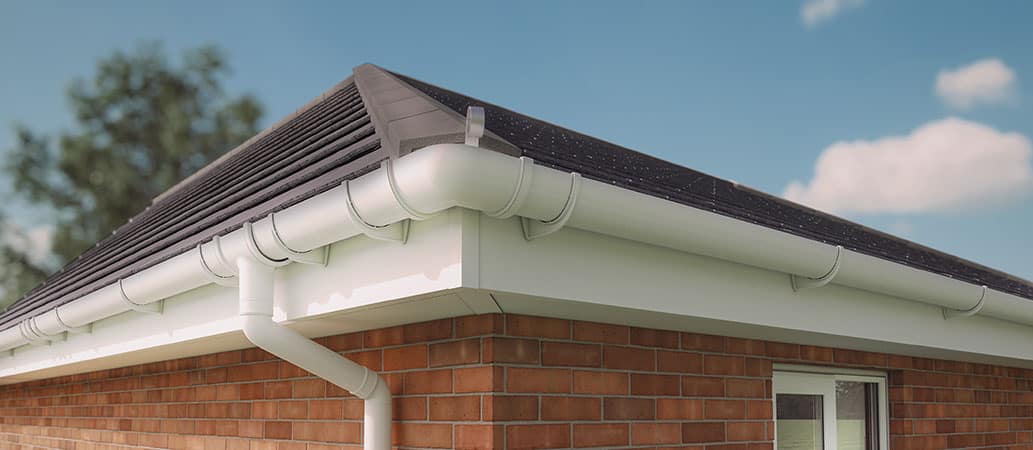
Understanding UPVC Soffits: A Comprehensive Guide
When it pertains to home construction and renovation, property owners typically focus on noticeable areas such as doors, windows, and siding, while the parts that lie above them– like soffits– are often neglected. Soffits play an important role in both aesthetic appeals and functionality of a home’s exterior. In the last few years, UPVC (Unplasticized Polyvinyl Chloride) soffits have actually acquired popularity as a choice for numerous homeowners and home builders alike. This post dives into what UPVC soffits are, their advantages, installation, and maintenance, providing a thorough understanding of this often-neglected aspect of home design.
What are Soffits?
Soffits are the horizontal surfaces that connect the roofing overhang to the exterior wall of a home. They are generally situated below the Eaves Maintenance, offering a completed look while likewise serving useful functions, such as ventilation and moisture control.
Comprehending UPVC Soffits
UPVC soffits are made from a type of plastic that has been particularly developed for toughness and weather resistance. Unlike conventional wooden soffits, which are vulnerable to rot, warping, and insect damage, UPVC offers a robust option for homeowners searching for lasting, low-maintenance products.
| Comparison Table: UPVC vs. Traditional Materials |
|---|
| Characteristic |
| Sturdiness |
| Maintenance |
| Expense |
| Resistance to Moisture |
| Bug Resistance |
| Installation Difficulty |
Benefits of UPVC Soffits
-
Sturdiness: UPVC is extremely resistant to chemicals, wetness, and UV rays, making it an ideal choice for various climate condition.
-
Low Maintenance: Unlike wood, which may require routine painting or sealing to avoid rot, UPVC soffits can be easily cleaned with a damp fabric and do not need repainting.
-
Visual Variety: UPVC soffits been available in numerous colors and finishes, allowing house owners to accomplish the wanted try to find their home. They can likewise be made to simulate wood grain if a more conventional look is preferred.
-
Energy Efficiency: UPVC soffits can help improve ventilation in the attic area, which can lead to better energy performance and decreased heating and cooling expenses with time.
-
Cost-Effectiveness: While the in advance expense of UPVC soffits may be a little greater than some conventional products, the long-term savings on maintenance and Affordable Soffit Replacement make them an economically sound financial investment.
Installation of UPVC Soffits
Installing UPVC soffits can be a DIY project, but for those not comfy with home improvement tasks, working with a professional is advisable. Below are the basic steps for installation.
Tools Needed:
- Measuring tape
- Level
- Cordless drill
- Screwdriver
- Saw (for cutting UPVC)
- Safety safety glasses and gloves
Actions:
- Measure the Area: Accurate measurements will make sure an appropriate fit for your UPVC soffits.
- Cut the UPVC Panels: Using a saw, cut the panels to the required measurements.
- Set Up Support Battens: Attach wooden battens to offer assistance and ensure the Soffit Installation panels can be firmly secured.
- Fit the Panels: Insert the panels into the grooves of the battens, ensuring a tight fit.
- Protect the Panels: Use screws to attach the panels, making sure they are level and aligned appropriately.
- Finish with Trim: Complete the look by including trim around the edges for a polished finish.
Maintenance Tips for UPVC Soffits
While UPVC is low-maintenance, some care can extend its life and keep it looking excellent:
- Regular Cleaning: Use a soft cloth or sponge with a moderate detergent to clean up the surfaces. Avoid abrasive cleaners that can scratch the finish.
- Look for Damage: Periodically check the soffits for any signs of damage or loosening and resolve any issues quickly.
- Ensure Ventilation: Keep any ventilation openings clear of particles to guarantee correct air flow and prevent wetness buildup.
Typical FAQs about UPVC Soffits
Q1: How long do UPVC soffits last?A: With
proper care and installation, UPVC soffits can last for 20 years or more without substantial wear and tear.
Q2: Can UPVC soffits be painted?A: Painting UPVC is not advised, as it can harm the surface area and affect its toughness. Nevertheless, they do be available in numerous colors to match your home’s exterior. Q3: Are UPVC soffits ecologically friendly?A: UPVC is recyclable,and numerous manufacturers are dedicated to sustainable
practices, making it a more eco-friendly choice compared to some standard products. Q4: What is the cost of UPVC soffits?A: The cost can vary based on size, style, and the
supplier, but typically, property owners can expect to
pay between ₤ 3 to ₤ 8 per square foot, including installation. UPVC soffits are an exceptional financial investment for homeowners looking for toughness, low maintenance, and aesthetic appeal.
With the knowledge of their benefits, installation, and maintenance, property owners can make informed decisions that improve their home’s look and longevity. As more house owners acknowledge the worth of purchasing quality materials, products like UPVC are likely to continue growing in appeal, cementing their place in modern building and construction and restoration practices.
