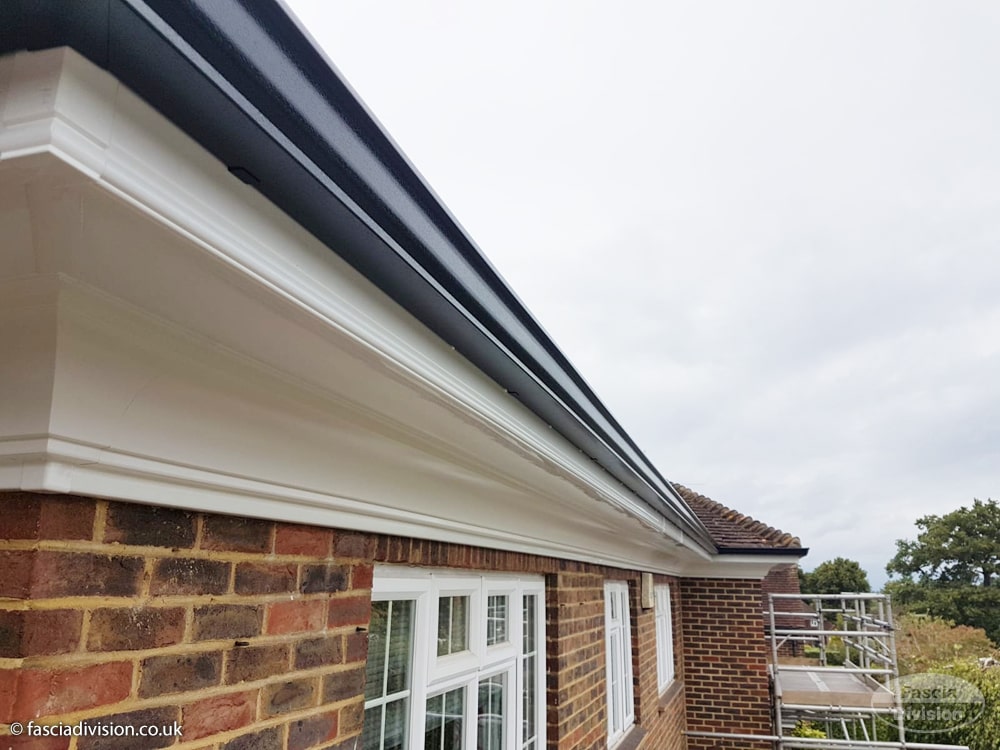
Fascia And Gutter Replacement
Add a review FollowOverview
-
Founded Date avril 30, 1911
-
Sectors Operateur en videoprotection en CSU
-
Posted Jobs 0
-
Viewed 15

Company Description
9 Things Your Parents Teach You About Replacement Soffit Boards
Understanding Replacement Soffit Boards: Why, When, and How to Replace Them
Soffit boards may appear like an afterthought in the grand design of a home, however they play a crucial function in securing your property from the elements. Gradually, wear and tear can cause these boards to become harmed, necessitating replacements. In this article, we will dig into the significance of soffit boards, how to identify when they require Fascia Replacement, and the actions involved in changing them.
What Are Soffit Boards?
Soffit boards lie underneath the eaves of a roof, linking the roof to the walls of a house. They are typically made of wood, aluminum, or vinyl and serve multiple functions:
- Ventilation: Soffit boards with vents help control airflow in the attic, avoiding moisture buildup and decreasing the danger of mold and mildew.
- Protection: They protect the rafters from exposure to the components, therefore extending the lifespan of the roof structure.
- Aesthetic Appeal: Soffits add to the total aesthetic of the home, supplying an ended up aim to the eaves.
Table 1: Common Materials for Soffit Boards
| Material | Advantages | Drawbacks |
|---|---|---|
| Wood | Natural appearance, easy to paint | Prone to rot and bugs |
| Aluminum | Long lasting, low maintenance | Can damage, minimal colors |
| Vinyl | Weather-resistant, no painting | Fading in time, less stiff |
Signs You Need to Replace Your Soffit Boards
While soffit boards are designed to last, they are not immune to damage. Here are some signs that show it’s time for a replacement:
- Visible Damage: Look for cracks, holes, or drooping areas. These issues can jeopardize ventilation and security.
- Water Damage: Stains or discoloration can indicate wetness intrusion, which might result in mold development.
- Pest Infestation: If you observe wasps or other pests nesting in or around the soffit, it might be an indication of structural weakness or damage.
- Fading and Weathering: A faded or discolored look may indicate that the product is breaking down and might need replacement.
- Increased Energy Bills: Poorly aerated attics can result in increased energy expenses, as they force your HVAC system to work more difficult.
Table 2: Signs of Damage to Look For
| Indication | Description |
|---|---|
| Fractures and Holes | Visible openings in the soffit boards |
| Water Stains | Brown or yellow-colored marks on the boards |
| Sagging | Boards that appear to droop or hang low |
| Bug Presence | Bugs or nests near or inside the soffits |
| Color Fading | Significant loss of color or texture |
Actions to Replace Soffit Boards
Replacing soffit boards may seem daunting, however it can be accomplished with some standard tools and a little know-how. Below is a step-by-step guide on how to carry out the replacement.
Tools and Materials Needed
- Replacement soffit boards (product of your choice)
- Measuring tape
- Saw
- Hammer or screwdriver
- Nails or screws
- Safety safety glasses and gloves
- Ladder
Step-by-Step Process
-
Inspect and Measure: Before acquiring replacement materials, measure the existing soffit boards to guarantee you buy the right size. Check the location for any extra damage to underlying structures.
-
Get Rid Of Old Soffit Boards: Carefully take down the harmed soffit boards. Use a saw or a lever to eliminate nails or screws holding the boards in place.
-
Prepare the Area: Clean the area and examine the condition of the rafters and Fascia And Soffit Installation. Get rid of any debris or signs of pest infestation.
-
Cut New Boards: Using the measurements taken, cut the brand-new soffit boards to the appropriate lengths. If using wood, consider using a weatherproof sealant.
-
Set Up New Boards: Position the new boards and protect them in place with nails or screws. Guarantee they fit comfortably against the existing structure to prevent gaps.
-
Seal and Paint (if applicable): If you selected wood, use paint or sealant to protect against the aspects. Guarantee correct ventilation if the boards are vented.
Table 3: Pros and Cons of DIY vs. Professional Installation
| Installation Type | Pros | Cons |
|---|---|---|
| DIY | Cost-effective, control over the project | Danger of inappropriate Fascia Installation |
| Professional | Know-how and experience | Higher costs, less control over materials |
FAQs About Soffit Board Replacement
1. How often should soffit boards be changed?
There’s no conclusive timeline for replacing soffit boards, as it depends on the product and ecological factors. Regular evaluations every couple of years can assist identify problems early.
2. Can I use a different material than what was initially set up?
Yes, you can change the initial product with another type, however consider aspects such as resilience, maintenance, and aesthetic harmony with your home.
3. Is replacing soffit boards a DIY project?
Yes, if you have basic carpentry abilities and tools, you can replace soffit boards yourself. Nevertheless, consult a professional if you are not sure or if other structural repairs are needed.
4. What are the indications of moisture problems in soffit boards?
Indications include water spots, mold development, and a moldy odor. If you see these signs, it’s crucial to evaluate the condition of both the soffit and the underlying rafters.
Replacement soffit boards are a crucial part of preserving your home’s aesthetic and structural integrity. Regular inspections and timely replacements can assist prevent more damage and maintain an aerated attic space. Whether choosing a DIY technique or working with a professional, understanding soffit boards and their significance permits house owners to make informed decisions about their upkeep.