

Gutter Company
Add a review FollowOverview
-
Founded Date mai 14, 1983
-
Sectors Opérateur en videoprotection (Sécurité Privée)
-
Posted Jobs 0
-
Viewed 11

Company Description
The 10 Most Terrifying Things About Gutter Downpipes
The Essential Guide to Gutter Downpipes: Importance, Types, and Maintenance
Gutter Protection downpipes play a crucial role in a building’s drainage system, funneling rainwater safely from the roof to the ground or drainage system. They avoid water from pooling around the foundation of a structure, thereby reducing the risk of water damage, erosion, and other moisture-related issues. This post will explore the importance of gutter downpipes, the various types available, maintenance ideas, and frequently asked concerns.
Comprehending Gutter Downpipes
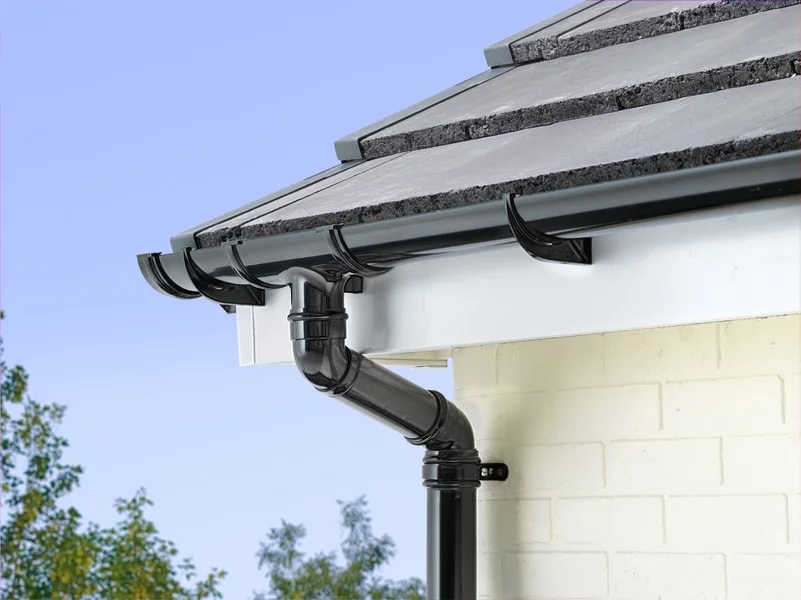
Gutter downpipes, also called rainwater downspouts, are vertical pipes that link to a structure’s gutter system. They work as channels for transporting rainwater gathered by the roof and gutters to the ground or a drainage system. Appropriately working downpipes ensure that rainwater is successfully directed far from the foundation of a home or structure, securing it from potential water damage.
Significance of Gutter Downpipes
Gutter downpipes are important for numerous reasons:
-
Water Management: They efficiently direct rainwater far from the roof, preventing overflow and potential flooding.
-
Foundation Protection: By directing water far from the foundation, they minimize the risk of soil erosion and structural damage.
-
Mold and Mildew Prevention: Consistent drainage helps avoid moist conditions that can cause mold and mildew growth.
-
Landscape Protection: Properly set up downpipes prevent water from pooling in landscaped locations, thus preserving plant health.
-
Cost-Effectiveness: Preventing water damage through efficient drainage can save house owners from pricey repairs.
Types of Gutter Downpipes
Gutter downpipes can be found in different products, sizes, and designs. Here’s a detailed table outlining the various types:
| Type | Product | Pros | Cons | Ideal Use |
|---|---|---|---|---|
| Round | Aluminum | Light-weight, corrosion-resistant | May dent or bend easily | Residential buildings |
| Square | PVC | Cost-effective, easy to set up | May end up being breakable with time | Commercial Gutters buildings |
| Rectangle-shaped | Steel | Durable, strong | Prone to rust if not layered | Industrial settings |
| Custom | Copper | Visual appeal, lasts long | High preliminary cost | Luxury homes |
| Perforated | Vinyl | Lightweight, easy maintenance | Limited flow capacity | Areas with splash zones |
Picking the Right Downpipe
When selecting a downpipe, consider the list below factors:
- Material: Choose a product that matches your environment and maintenance preferences.
- Size: The size of the downpipe ought to represent the size of the gutters to guarantee effective water flow.
- Style: Consider the architectural style of your home or structure to select a downpipe that matches its aesthetic.
- Local Regulations: Some locations have guidelines relating to drainage systems; contact local authorities before installation.
Maintenance of Gutter Downpipes
Correct maintenance of Gutter Downpipes; guttering-near-me86418.blogoxo.com, ensures their effective operation and longevity. Here are some important maintenance tips:
Regular Inspections
- Frequency: Inspect downpipes a minimum of twice a year, specifically during spring and fall.
- What to Look For: Check for obstructions, rust, leakages, or any indications of physical damage.
Cleaning
- Clear Debris: Remove leaves, dirt, and other debris that can clog the downpipe. Special tools like a plumber’s snake or a pressure washer can be utilized.
- Flush with Water: After cleaning, flush the downpipe with water to ensure it’s clear and operating properly.
Repairing and Replacing
- Restore Holes: Small leaks can be fixed with sealants, however bigger problems might need Professional Gutters assistance or total replacement.
- Watch on Connections: Ensure that all connections between the Rain Gutters and the downpipe, along with in between the downpipe and the drainage system, are protected.
Seasonal Preparation
- Winter Care: In areas that experience freezing temperature levels, think about insulating downpipes to prevent ice accumulation and clogs.
- Particles Traps: Install guards or screens at the top of the downpipes to prevent particles from entering and causing clogs.
Regularly Asked Questions (FAQ)
1. How do I understand if my gutter downpipes need cleaning?
If you observe water overruning from the gutters or pooling around the structure, your downpipes may be clogged and require cleaning.
2. Can I set up gutter downpipes myself?
While DIY installation is possible, it is recommended to speak with a professional to ensure correct alignment and connection with the drainage system.
3. What should I do if my downpipe is dripping?
Initially, check the connection points for any visible damage. If the leakage continues, think about using a sealant or seek advice from a professional for repairs.
4. How typically should I clean my gutter downpipes?
It is advised to clean your gutter downpipes at least two times a year, or more frequently if your home is surrounded by trees or debris.
5. Are there particular policies for gutter downpipes?
Yes, local guidelines may determine how water needs to be handled on your property. Consult your city government for any specific requirements.
Gutter downpipes are an important part of a building’s drainage system, serving to effectively funnel rainwater away from the structure. Selecting the best type and maintaining them appropriately can considerably minimize the threat of water damage, protect the foundation, and boost the general durability of your home. By understanding their importance and sticking to routine maintenance, property owners can ensure their property stays safe and dry for several years to come.
