

Gutter Replacement
Add a review FollowOverview
-
Founded Date mai 26, 1999
-
Sectors Opérateur en videoprotection (Sécurité Privée)
-
Posted Jobs 0
-
Viewed 15

Company Description
If You’ve Just Purchased Soffit Installation … Now What?
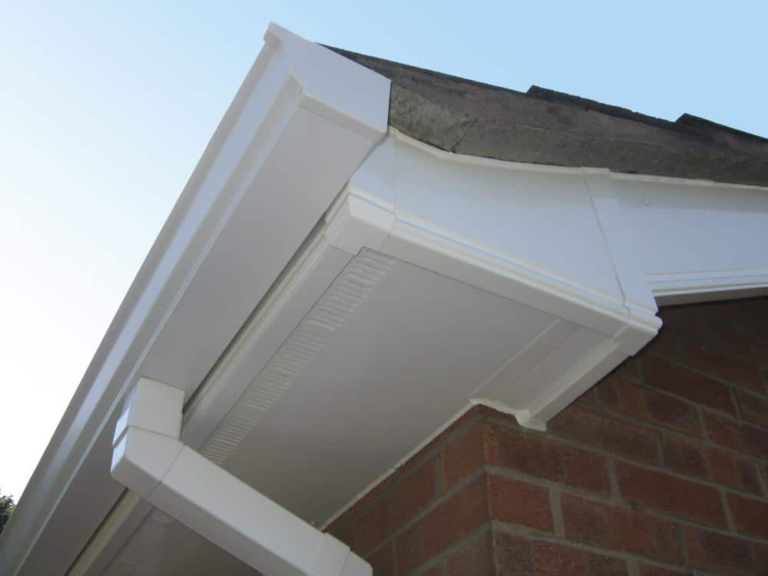
The Ultimate Guide to Soffit Installation
Soffits are an important part of a building’s roof system, serving both functional and aesthetic purposes. This article functions as an extensive guide to soffit installation, covering whatever from materials to installation methods. By the end, readers will have a strong understanding of the process, requirements, and best practices for setting up soffits in residential and business settings.
What is Soffit?
Soffit is a product used to cover the underside of a roofing system overhang or eave. It is typically set up in between the fascia board and the exterior wall of a building, supplying ventilation, insulation, and a completed look. Soffits are offered in numerous products, consisting of wood, vinyl, aluminum, and fiber cement, each with its distinct benefits and drawbacks.
Significance of Soffit Installation
- Ventilation: Properly installed soffits help with airflow in the attic, which assists control temperature and prevent moisture buildup.
- Aesthetic Appeal: Soffits contribute to the total look of a home, supplying a clean and ended up appearance.
- Security: Soffits safeguard the rafters and other structural elements from weather components, such as rain Fascias And Soffits snow.
- Bug Prevention: A well-installed soffit can prevent insects from entering the attic area.
Types of Soffit Materials
When considering soffit installation, it’s necessary to choose the appropriate product. The table listed below lays out the most common products used for soffits (https://pads.jeito.nl/s/4cydgcnn-y), in addition to their benefits and drawbacks.
| Product | Pros | Cons |
|---|---|---|
| Wood | Visual appeal, flexible | Prone to rot and bugs |
| Vinyl | Low maintenance, resistant to moisture | Restricted color choices |
| Aluminum | Resilient, lightweight, rust-resistant | Can dent easily |
| Fiber Cement | Fireproof, low maintenance | Heavier, might require customized tools |
Picking the Right Material
The option of soffit product often depends on factors such as budget, place, and personal preference. House owners in humid environments might prefer vinyl or aluminum to combat moisture issues, while those in dry locations may go with wood for its aesthetic qualities.
Tools and Equipment Needed for Installation
Before beginning the installation procedure, it’s important to gather the required tools and equipment. Here’s a list of common tools needed for soffit installation:
- Measuring tape
- Level
- Energy knife
- Ladder
- Hammer
- Nails or screws
- Saw (circular or miter)
- Caulk and caulk gun
- Shatterproof glass
Actions to Install Soffit
Step 1: Measure and Cut
- Step the Area: Use determining tape to figure out the length and width of the soffit location. Note any obstructions such as vents or lights.
- Cut the Soffit Panels: Using an energy knife or saw, carefully cut the soffit panels to the determined dimensions.
Action 2: Install the Furring Strips
Furring strips are thin strips of wood or metal that produce a structure for attaching the Soffit And Fascia Replacement panels.
- Mark the Location: Use a level to mark the position for the furring strips along the edge of the eave.
- Connect the Strips: Secure the furring strips to the underside of the eave utilizing screws or nails.
Action 3: Install Soffit Panels
- Position the First Panel: Start at one end of the eave and slide the very first panel into the groove of the adjoining panel.
- Secure the Panel: Use screws or nails to fasten the panel to the furring strips, ensuring they are equally spaced.
- Continue Installation: Repeat this procedure for subsequent panels, guaranteeing that each one fits comfortably against the other.
Step 4: Finishing Touches
- Seal Gaps: Use caulk to seal any spaces in between the soffit and the wall or fascia.
- Paint or Finish: If suitable, paint or finish the soffit panels to match the exterior of the home.
Maintenance Tips
- Routine Inspections: Conduct evaluations a minimum of when a year to look for indications of damage or bugs.
- Tidy Debris: Remove leaves and debris from the soffit area to prevent moisture buildup.
- Inspect Vents: Ensure that any vents installed in the soffit are clear and working correctly.
FREQUENTLY ASKED QUESTION
1. Just how much does soffit installation cost?
The expense of soffit installation can differ commonly depending on elements such as material choice, labor rates, and the size of the project. Usually, house owners can anticipate to pay between ₤ 1.50 to ₤ 6.50 per square foot.
2. Can I install soffit myself?
Yes, Upvc Soffit installation can be a DIY job for those with fundamental carpentry skills. Nevertheless, employing a professional may be recommended for those who are not comfy with heights or absence experience.
3. How do I know if I require to change my soffit?
Indications that might suggest a need for Eaves Replacement include visible damage (fractures or sagging), mold or mildew development, and insect problems.
4. Are there any structure codes connected to soffit installation?
Yes, regional building codes typically determine particular requirements for soffit installation, especially worrying ventilation. Always seek advice from regional policies before starting any installation job.
Soffit installation is an essential element of home construction or remodelling that need to not be neglected. By comprehending the products offered and following the correct installation methods, homeowners can substantially boost the aesthetics and performance of their homes. Whether selecting to take on the task themselves or employ a professional, proper soffit installation will yield lasting advantages and increase the general value of the home.
