

Home Security
Add a review FollowOverview
-
Founded Date novembre 22, 2000
-
Sectors Operateur en videoprotection en CSU
-
Posted Jobs 0
-
Viewed 30

Company Description
9 Things Your Parents Taught You About Cheap Lock Repair
The Ultimate Guide to Cheap Lock Repair: Keeping Your Home Secure Without Breaking the Bank
When it pertains to the security of your home security, the integrity of your fixing window locks is paramount. However, lock concerns can emerge unexpectedly, resulting in sensations of vulnerability and stress and anxiety. Fortunately, lock repairs do not always need to come at a substantial rate. This blog post checks out budget-friendly approaches for commercial lock repair repair, tips for maintaining your locks, and when to seek professional aid.
Comprehending Common Lock Problems
Locks can fail for different reasons, and recognizing these concerns early can save you time and cash. Here are some typical issues that require lock repair:
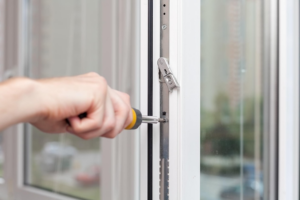
| Lock Issue | Description |
|---|---|
| Sticking or Jammed Locks | Locks that are hard to turn or will not open due to dirt, rust, or misalignment. |
| Broken Key Inside the Lock | Keys can break and get stuck inside the lock, rendering it unusable. |
| Loose or Misaligned Locks | When a lock is not lined up effectively, it might not function as planned. |
| Rusty or Corroded Locks | Rust can make locks tough to run and might result in complete lock failure. |
| Old and Worn-Out Locks | Like all mechanisms, locks can wear out gradually, leading to breakdown. |
DIY Lock Repair Methods
Before calling a locksmith professional, consider attempting a few of these DIY methods that can offer a fast and affordable solution:
1. Lubricate the window lock experts
Using a graphite lubricant or silicone spray can help minimize sticking or jamming concerns. Prevent utilizing oil-based lubes, as they can bring in dirt and debris.
2. Straighten the Strike Plate
If your key won’t turn, the lock might be misaligned with the strike plate. Carefully change the strike plate by loosening up the screws, aligning it effectively, and retightening.
3. Extract Broken Keys
If you’ve broken a key inside the lock, you can use a set of needle-nose pliers or a broken essential extractor tool to eliminate it. Apply mild pressure and turn the lock in the opposite direction for better access.
4. Replace the Lock Cylinder
If the lock is old and broken, replacing the lock cylinder might be more economical than changing the whole lock. Make sure to take measurements for compatibility with the new cylinder.
5. Protect Loose Locks
If your lock is loose, tighten up the screws on the doorknob and the lock itself. You might require to include wood filler if the screw holes are stripped.
When to Call a Professional
While numerous lock repair work can be tackled as DIY projects, in some cases it’s best to look for the competence of a professional locksmith. Consider employing one in the following situations:
| Scenario | Factor |
|---|---|
| Complex Lock Mechanism | Particular locks, like deadbolts or high-security locks, may require special tools. |
| Consistent Issues | If a lock issue continues after DIY attempts, a locksmith can detect the issue. |
| Security Concerns | If you’ve lost your secrets or suspect someone may have unapproved gain access to, act rapidly. |
| Insurance coverage Requirements | If your insurance coverage needs professional repairs, it’s smart to comply with those standards. |
Affordable Lock Repair Services
Finding affordable lock repair services can often be a matter of research study. Here are some pointers to help you locate budget-friendly options:
- Get Multiple Quotes: Contact numerous locksmith professionals to compare rates.
- Inspect Online Reviews: Websites like Yelp and Google Reviews can supply insight into the best regional locksmith professionals.
- Ask for Discounts: Some locksmiths provide discount rates for first-time consumers or recommendations.
- Subscription Discounts: Check if any memberships (e.g., AAA, military, and so on) offer locksmith professional discounts.
Keeping Your Locks for Longevity
As soon as you’ve repaired or changed your locks, it’s important to take steps to maintain them and extend their lifespan. Below is an easy-to-follow upkeep checklist:
| window maintenance Tip | Frequency | Description |
|---|---|---|
| Lubrication | Every 6 months | Apply an appropriate lubricant to prevent sticking. |
| Positioning Checks | Every 3 months | Occasionally inspect and line up the strike plate and lock for correct fitting. |
| Tidy Locks | As required | Utilize a soft fabric to remove dirt and dust. |
| Inspect for Rust | Regular monthly | Look for rust signs, specifically in external locks. |
| Test Functionality | Monthly | Routinely examine that all locks work smoothly to catch issues early. |
Inexpensive lock repair is not only possible but also manageable with the best knowledge and tools. By understanding the common lock concerns, using DIY strategies, knowing when to call an expert, and maintaining your locks, homeowners can keep their properties safe without incurring outrageous costs. Always bear in mind that routine maintenance is essential to making sure the longevity of your locks.
Frequently asked questions
Q: Can I repair my cheap lock repair (https://Notes.bmcs.one) myself?A: Yes, numerous minor problems can be solved with DIY approaches. However, for complex issues, think about employing an expert. Q: How do I choose a locksmith?A: Look for certified and insured locksmith professionals with positive
evaluations and transparent rates. Q: What tools do I need for DIY lock repair?A: Basic tools include a screwdriver, lubes, pliers, and perhaps an essential
extractor. Q: How often should I replace my locks?A: It’s a good idea to replace locks every 5-7 years, or sooner
if they reveal significant wear or breakdown
. Q: Are all locksmith professionals expensive?A: No, locksmith professionals ‘rates varies greatly, and it’s possible to discover affordable alternatives with a
little research.
