

Manual Treadmil
Add a review FollowOverview
-
Founded Date mai 10, 1980
-
Sectors Opérateur en videoprotection (Sécurité Privée)
-
Posted Jobs 0
-
Viewed 12

Company Description
What NOT To Do In The Non-Folding Treadmill Industry
The Comprehensive Guide to Non-Folding Treadmills
In the world of home fitness devices, treadmills have carved out a considerable niche. Among the different types offered, non-folding treadmills stand out due to their robust construction and easy to use features. This post will dig deep into the world of non-folding treadmills, discussing their advantages, downsides, features to search for, and supplying a thorough contrast of some popular designs on the market.
What is a Non-Folding Treadmill?
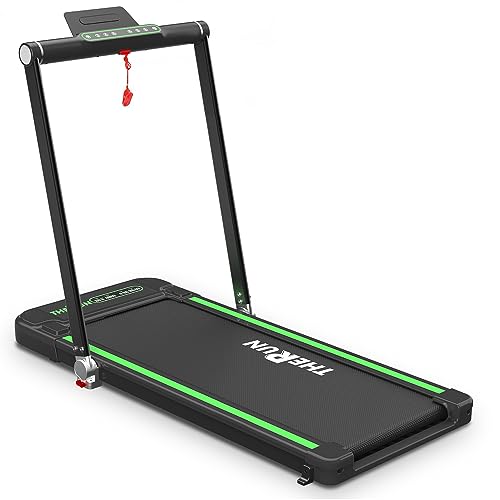
A non-folding Self Powered Treadmill is a kind of Self Propelled Treadmill created for stability and toughness. Unlike folding designs, which can be collapsed and saved when not in usage, non-folding treadmills maintain a fixed structure. This style typically leads to a tougher build, advanced features, and better overall efficiency.
Advantages of Non-Folding Treadmills
-
Stability: These treadmills are normally much heavier and more robust, supplying a steady running surface that can endure extreme exercises.
-
Sturdiness: Non-folding treadmills are normally constructed with higher-quality products, which add to their longer life expectancy.
-
Larger Running Surface: Many non-folding models use a larger running area, which is beneficial for users with longer strides or those who choose more space when running.
-
Advanced Features: These machines typically come equipped with better technology and extra features, such as sophisticated monitoring systems, slope changes, and connectivity alternatives.
-
Much better Performance: Non-folding treadmills tend to have remarkable motors and belts, leading to a smoother and more pleasurable running experience.
Downsides of Non-Folding Treadmills
-
Space Requirements: The set structure suggests that non-folding treadmills require more area and can not be quickly stored away.
-
Weight: They tend to be heavier than folding designs, which can make them more tough to move or transfer.
-
Cost: Non-folding treadmills generally come at a higher price point due to their boosted features and toughness.
Secret Features to Look For
When thinking about a non-folding treadmill, a number of functions ought to be taken into consideration:
| Feature | Description |
|---|---|
| Motor Power | A motor over 2.5 CHP is perfect for major runners. |
| Belt Size | Try to find a belt size of a minimum of 20″ x 60″ for comfort. |
| Slope Range | Consider models with an incline variety of approximately 15% for included strength. |
| Display Features | A clear screen to track speed, distance, time, and heart rate is essential. |
| Shock Absorption | Quality shock absorption systems decrease effect on joints. |
| Connectivity | Bluetooth and app connection can enhance the exercise experience. |
Leading Non-Folding Treadmills in 2023
Below is a table comparing a few of the leading non-folding treadmills presently available on the market.
| Model | Motor Power | Running Surface (inches) | Incline Range | Cost Range | Significant Features |
|---|---|---|---|---|---|
| NordicTrack Commercial 2950 | 4.0 CHP | 22″ x 60″ | 0% – 15% | ₤ 2,799 – ₤ 3,199 | Interactive training, touch screen, iFit inclusion |
| Sole Fitness F85 | 3.5 CHP | 22″ x 60″ | 0% – 15% | ₤ 1,699 – ₤ 1,899 | Folding feature (contradiction!), Bluetooth, resilient design |
| ProForm Pro 9000 | 4.0 CHP | 22″ x 60″ | 0% – 15% | ₤ 1,999 – ₤ 2,299 | iFit tech, adjustable cushioning |
| LifeSpan TR5500i | 3.5 CHP | 20″ x 60″ | 0% – 13% | ₤ 1,699 – ₤ 1,899 | Integrated Bluetooth, health tracking |
| Horizon Fitness 7.0 AT | 3.0 CHP | 20″ x 60″ | 0% – 12% | ₤ 999 – ₤ 1,199 | Quick incline, Manual Treadmill For Under Desk collapsible alternative |
Maintenance Tips for Non-Folding Treadmills
Keeping your non-folding treadmill will guarantee its durability and ideal performance. Here are some vital upkeep pointers:
-
Regular Cleaning: Keep the treadmill tidy by wiping down the console and frame. Vacuum around the base to prevent dust accumulation.
-
Lubrication: Regularly oil the treadmill belt, per the producer’s recommendations, to minimize friction and wear.
-
Inspect the Parts: Periodically inspect the belt, motor, and electrics for any signs of wear or damage.
-
Calibration: Ensure the treadmill is adjusted properly to offer accurate workout data.
-
Professional Servicing: Consider annual service by an expert to resolve any possible issues before they become substantial problems.
Frequently Asked Questions (FAQ)
1. Are non-folding treadmills much better than folding designs?
Non-folding treadmills usually provide much better stability, durability, and advanced features. They are ideal for severe runners who have the area to accommodate them.
2. Just how much area do I require for a non-folding treadmill?
Non Powered Treadmill-folding treadmills generally need a dedicated workout area, usually around 6-8 feet in length and 3-4 feet in width.
3. Can I use a non-folding treadmill for walking in addition to running?
Absolutely! Non-folding treadmills deal with a variety of workout intensities, making them appropriate for walking, jogging, and running.
4. What is the typical life expectancy of a non-folding treadmill?
With appropriate upkeep, a premium non-folding treadmill can last anywhere from 10 to 15 years or more.
5. Are non-folding treadmills loud?
Many non-folding treadmills are developed with noise reduction technology, making them fairly quiet compared to older designs.
Investing in a non-folding Treadmill Manual can be a groundbreaking choice for anybody serious about their physical fitness journey. While they do require a larger initial area and spending plan, the advantages of stability, sturdiness, and advanced features are substantial. By considering the functions that matter most and keeping the devices routinely, users can take pleasure in a gratifying and efficient workout experience for years to come.
