

Mobility Ramp
Add a review FollowOverview
-
Founded Date décembre 31, 2012
-
Sectors Opérateur en videoprotection (Sécurité Privée)
-
Posted Jobs 0
-
Viewed 19

Company Description
See What Disability Ramp Tricks The Celebs Are Utilizing
Understanding Disability Ramps: Essential Components for Accessibility
As societies increasingly recognize the importance of inclusivity, the requirement for accessible infrastructures has taken center stage. Among the lots of adjustments that can be made to structures and public areas, disability ramps play an important role in ensuring mobility for individuals with impairments. This blog post will explore the fundamentals of disability ramps, their types, material options, codes and policies, best practices for setup, and typical questions surrounding these essential structures.
What is a Disability Ramp?
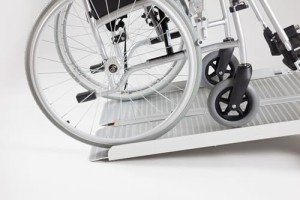
A disability ramp, typically referred to as a Wheelchair Ramps For Homes ramp, is a sloped surface area designed to supply access to buildings, cars, or other raised areas for people with mobility problems. These ramps are vital for offering equivalent access and promoting self-reliance for people with disabilities, the elderly, and others who may have difficulty with stairs.
Value of Disability Ramps
The primary purpose of disability ramps is to help with motion and availability. Here are a couple of factors why they are vital:
- Legal Compliance: Many nations have laws needing public spaces to be available to all people, including those with impairments.
- Inclusion: Disability ramps remove barriers, helping people participate more completely in society.
- Safety: Ramps reduce the threat of falls and accidents compared to stairs, especially in unfavorable climate condition.
| Importance of Disability Ramps For Wheelchairs | Description |
|---|---|
| Legal Compliance | Required by law in lots of jurisdictions |
| Inclusion | Cultivates a sense of belonging and participation |
| Safety | Decreases the risk of mishaps and falls |
Kinds Of Disability Ramps
Disability ramps been available in various forms, each matched to specific environments and requirements. Here’s a breakdown of common types:
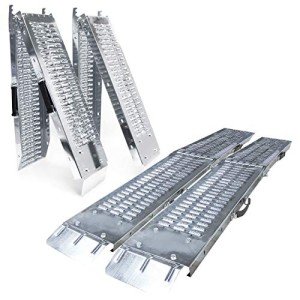
- Portable Ramps: Lightweight and easy to transfer, these ramps are perfect for vehicles and temporary setups.
- Fixed Folding Ramps For Wheelchairs: Installed permanently in buildings or outdoor areas, repaired ramps are typically made of concrete or Metal Wheelchair Ramps.
- Limit Ramps: Ideal for doorways, limit ramps help with smoother shifts between different surface levels.
- Modular Ramps: These ramps are made from areas that can be gotten used to fit numerous places, making them personalized and versatile.
| Kind of Ramp | Description |
|---|---|
| Portable Ramps | Lightweight, movable, suitable for temporary usage |
| Repaired Ramps | Long-term installations for buildings or public areas |
| Threshold Ramps | Assist in transitions at entrances |
| Modular Ramps | Personalized sections adaptable to different surface and heights |
Materials Used for Disability Ramps
The option of material for a disability ramp is important for safety, sturdiness, and visual appeal. Typical products include:
- Wood: A popular choice due to its natural look, though it needs regular maintenance to avoid decay.
- Aluminum: Lightweight, rust-proof, and simple to set up, aluminum ramps are an exceptional option for toughness.
- Concrete: Solid and lasting, concrete ramps are typically utilized in repaired installations however need proper surface area treatment for safety.
- Rubber: An ideal alternative for portable ramps, rubber supplies exceptional traction and shock absorption.
| Product | Benefits | Downsides |
|---|---|---|
| Wood | Aesthetically pleasing, personalized | Needs maintenance; can rot |
| Aluminum | Lightweight, rust-resistant, long lasting | Can be more costly than other options |
| Concrete | Strong, stable, ideal for permanent installations | Labor-intensive to install; needs surface area treatment |
| Rubber | Outstanding traction, shock-absorbent | Might not appropriate for all areas |
Laws and Standards
Comprehending the guidelines surrounding disability ramps is vital for compliance and safety. In the United States, the Americans with Disabilities Act (ADA) supplies guidelines that include:
- Ramp Slope: The ADA suggests a slope ratio of 1:12 (one inch of height for every 12 inches of ramp length).
- Width: Ramps need to be at least 36 inches large to accommodate various Mobility Scooter Ramps aids.
- Landings: Level landings should be offered at the top and bottom of the ramp, as well as at intervals along longer runs.
Table: ADA Requirements for Disability Ramps
| Feature | Requirement |
|---|---|
| Ramp Slope | 1:12 ratio (1 inch vertical height = 12 inches length) |
| Minimum Width | 36 inches |
| Landing Length | Minimum of 60 inches on top and bottom |
| Surface area Texture | Steady, firm, and slip-resistant |
Finest Practices for Installing Disability Ramps
When installing a disability ramp, it’s vital to follow best practices to ensure security and usability:
- Assess the Location: Determine the very best location for the ramp that complies with regional laws and does not obstruct access.
- Design for Purpose: Choose a ramp type and material that fits the particular needs, such as residential usage or public access.
- Visual Indicators: Use color contrast and signs to guarantee the ramp is visible and recognizable for users with visual disabilities.
- Routine Maintenance: Inspect the ramp regularly to ensure it remains in excellent condition, inspecting for any indications of wear or damage.
Often Asked Questions (FAQ)
1. Who requires a disability ramp?
People utilizing wheelchairs, walkers, or crutches, together with the elderly or those recovering from injuries, can take advantage of disability ramps.
2. Can I construct a disability ramp myself?
Yes, if you have the needed skills and tools. However, it’s a good idea to speak with specialists or comply with regional building codes for safety.
3. How do I figure out the length of the ramp?
The length of the ramp can be calculated based upon the height it needs to access, following the advised slope ratio of 1:12.
4. Exist moneying choices readily available for ramp setup?
Some non-profit companies, federal government help programs, and community initiatives may offer financing or resources for building available ramps.
5. What features should I think about for my ramp?
Consider the slope, width, surface product, and safety functions like hand rails, non-slip surfaces, and landings.
Disability ramps represent a vital step in producing accessible environments for all individuals, especially those with mobility challenges. Comprehending the numerous types, products, regulations, and finest practices for setting up disability ramps is essential for making sure safety and compliance. As neighborhoods continue to pursue inclusivity, the setup of these ramps not only supports legal commitments however also promotes a culture that respects and values all members of society.
