

Roofline Maintenance
Add a review FollowOverview
-
Founded Date mai 21, 1952
-
Sectors Opérateur en télésurveillance
-
Posted Jobs 0
-
Viewed 16

Company Description
Five Killer Quora Answers On Fascia And Soffit Contractor
Understanding Fascia and Soffit: The Role of a Contractor
Fascia and soffits play an important function in the total health and durability of a home’s exterior. They are frequently the unsung heroes that add to the aesthetic appeal and functional integrity of a building. For house owners aiming to improve their home, employing a certified fascia and Soffit And Fascia Services contractor is crucial. In this blog site post, we’ll dive deep into what fascia and soffits are, their significance, typical products utilized, and how to choose the Best Fascia Replacement contractor for your project.
What Are Fascia and Soffit?
Fascia
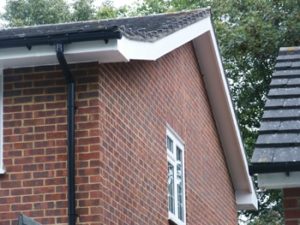
Fascia is a long board that runs horizontally along the edge of the roofline. Its primary duties consist of:
- Protecting the roofing system’s edge from various weather condition aspects
- Supporting the bottom row of roof tiles or shingles
- Serving as a mounting spot for gutters
Soffit
Soffit describes the panel that links the outside walls of a home to the roof overhang. Its functions consist of:
- Providing ventilation for the attic, helping to prevent moisture accumulation
- Securing the rafters from insects and weather condition damage
- Enhancing the visual appeal of a home by developing a smooth transition from the roofline to the walls
Importance of Fascia and Soffit
The significance of fascia and Soffit And Cladding can be summarized in the following points:
1. Security Against Elements
Both fascia and soffits help safeguard the underlying structures of a home from rain, snow, and pests. They serve as barriers that avoid water from permeating the roofing system and walls.
2. Ventilation
Appropriately set up soffits ensure that air flows correctly through the attic, avoiding moisture build-up and extending the life of roofing products.
3. Curb Appeal
Fascia and soffits can substantially enhance the visual worth of a home. Readily available in numerous colors and materials, they can complement the general design and design.
4. Structural Integrity
Neglecting fascia and soffit maintenance can lead to structural issues, including wood rot, mold growth, and even pest invasions, which can be costly to repair.
Typical Materials Used
Fascia and soffit can be made from a range of materials, each with its advantages and disadvantages. Here’s a relative table of some typical products:
| Material | Pros | Cons |
|---|---|---|
| Wood | Aesthetic, versatile | Requires regular maintenance, prone to rot and bugs |
| Vinyl | Low Eaves Maintenance, resistant to rot | Less long lasting, can fade over time |
| Aluminum | Long lasting, light-weight | Can dent easily, may wear away in time if not effectively dealt with |
| Fiber Cement | Highly long lasting, resistant to fire | Much heavier, more costly |
Selecting the Right Fascia and Soffit Contractor
Choosing a qualified fascia and soffit contractor is important. Here are some factors to consider:
1. Experience and Qualifications
Try to find specialists who have extensive experience in installing fascia and soffit. Look for appropriate certifications and licenses.
2. Reputation
Check out reviews and reviews from past clients. A respectable contractor will have a solid track record of completing projects successfully.
3. Portfolio
Ask to see examples of previous work. An excellent contractor needs to have the ability to display a series of designs and finishes.
4. Insurance and Warranty
Make sure the contractor has basic liability insurance and offers service warranties on products and workmanship.
5. Clear Communication
A trustworthy contractor will communicate openly and clearly, resolving any issues you might have throughout the task.
6. Expense Estimates
Acquire several quotes to compare pricing. Watch out for estimates that appear too low; they can show subpar products or services.
Often Asked Questions (FAQ)
Q1: How frequently should fascia and soffit be examined?
A: It’s recommended to examine fascia and soffit at least as soon as a year, preferably in the fall or spring. Look for indications of damage or wear, such as peeling paint or indications of decaying.
Q2: Can I set up fascia and soffit myself?
A: While DIY installation is possible for those with experience and the right tools, it is often best to hire a professional to make sure appropriate installation and avoid possible concerns.
Q3: What are the indications that I require to replace my fascia and soffit?
A: Signs of damage consist of discoloration, warping, sagging, mold development, and insect invasions.
Q4: How long does it take to set up fascia and soffit?
A: The installation timeframe can vary based upon the size of the home and the products used, but usually, it can take anywhere from a few hours to a couple of days.
Q5: What elements can impact the expense of fascia and soffit installation?
A: Factors include the products you select, the size of your home, labor costs in your location, and any essential repairs to underlying structures.
Fascia And Soffit Installation and soffit are essential elements of any home’s structure and aesthetic appeals. Understanding their value and functions can assist property owners make notified choices about repairs and restorations. Employing a qualified fascia and soffit contractor makes sure that you get quality work that not only enhances your home’s charm but also secures its stability for several years to come. By thinking about the pointers and info supplied in this guide, you can start your home improvement project with self-confidence.
