

Soffit Installation
Add a review FollowOverview
-
Founded Date décembre 9, 1935
-
Sectors Technicien de Maintenance et de Travaux en Système de Sécurité Incendie
-
Posted Jobs 0
-
Viewed 16

Company Description
The Top Reasons People Succeed On The Fascia And Soffit Contractor Industry
Understanding Fascia and Soffit: The Role of a Contractor
Fascia and soffits play an essential function in the total health and durability of a home’s exterior. They are frequently the unrecognized heroes that add to the visual appeal and functional integrity of a building. For property owners seeking to boost their residential or commercial property, working with a certified fascia and soffit contractor is key. In this blog site post, we’ll dive deep into what Fascia Installation and soffits are, their value, common products used, and how to select the ideal contractor for your project.
What Are Fascia and Soffit?
Fascia
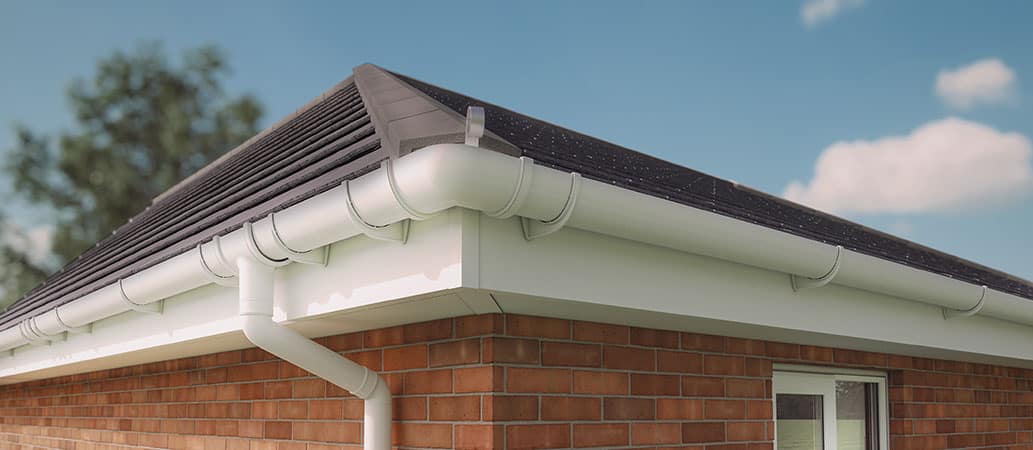
Fascia is a long board that runs horizontally along the edge of the roofline. Its main responsibilities include:
- Protecting the roofing’s edge from numerous weather condition components
- Supporting the bottom row of roofing tiles or shingles
- Acting as a mounting area for gutters
Soffit
Soffit describes the panel that links the outside walls of a home to the roofing overhang. Its functions include:
- Providing ventilation for the attic, helping to avoid moisture accumulation
- Protecting the rafters from bugs and weather condition damage
- Enhancing the visual appeal of a home by producing a smooth transition from the roofline to the walls
Value of Fascia and Soffit
The significance of Fascia And Soffit Specialists and soffit can be summarized in the following points:
1. Protection Against Elements
Both fascia and soffits assist secure the underlying structures of a home from rain, snow, and pests. They function as barriers that avoid water from penetrating the roofing system and walls.
2. Ventilation
Appropriately set up soffits ensure that air flows properly through the attic, avoiding moisture accumulation and extending the life of roofing products.
3. Curb Appeal
Fascia and soffits can significantly boost the visual worth of a home. Available in numerous colors and materials, they can match the overall style and style.
4. Structural Integrity
Neglecting fascia and soffit maintenance can result in structural issues, including wood rot, mold growth, and even pest invasions, which can be costly to repair.
Common Materials Used
Fascia and soffit can be made from a range of products, each with its advantages and disadvantages. Here’s a comparative table of some typical products:
| Material | Pros | Cons |
|---|---|---|
| Wood | Visual, versatile | Needs routine maintenance, prone to rot and bugs |
| Vinyl | Low maintenance, resistant to rot | Less durable, can fade over time |
| Aluminum | Resilient, lightweight | Can dent easily, may rust with time if not properly treated |
| Fiber Cement | Highly durable, resistant to fire | Heavier, more expensive |
Picking the Right Fascia and Soffit Contractor
Picking a proficient fascia and soffit contractor is crucial. Here are some elements to think about:
1. Experience and Qualifications
Look for specialists who have substantial experience in setting up fascia and soffit. Look for appropriate accreditations and licenses.
2. Reputation
Check out evaluations and testimonials from past customers. A reliable contractor will have a solid performance history of finishing tasks effectively.
3. Portfolio
Ask to see examples of previous work. A good contractor must be able to display a variety of styles and surfaces.
4. Insurance coverage and Warranty
Make sure the contractor has basic liability insurance coverage and provides guarantees on materials and workmanship.
5. Clear Communication
A trusted contractor will interact freely and plainly, addressing any concerns you might have throughout the task.
6. Cost Estimates
Obtain several quotes to compare prices. Be careful of quotes that seem too low; they can indicate subpar materials or services.
Often Asked Questions (FAQ)
Q1: How frequently should fascia and soffit be inspected?
A: It’s recommended to check fascia and soffit at least as soon as a year, preferably in the fall or spring. Search for signs of damage or wear, such as peeling paint or signs of decaying.
Q2: Can I install fascia and soffit myself?
A: While DIY installation is possible for those with experience and the right tools, it is frequently best to work with a professional to make sure correct installation and avoid prospective concerns.
Q3: What are the signs that I need to replace my fascia and soffit?
A: Signs of damage include discoloration, warping, drooping, mold development, and pest infestations.
Q4: How long does it require to set up fascia and soffit?
A: The installation timeframe can vary based on the size of the home and the products utilized, however normally, it can take anywhere from a couple of hours to a number of days.
Q5: What factors can impact the cost of fascia and soffit installation?
A: Factors include the products you pick, the size of your home, labor costs in your location, and any required repairs to underlying structures.
Fascia and soffit are necessary components of any home’s structure and aesthetic appeals. Comprehending their importance and functions can assist property owners make notified choices about repairs and renovations. Hiring a qualified Fascia And Gutter Replacement and Soffit And Cladding contractor makes sure that you receive quality work that not just boosts your home’s charm however likewise safeguards its integrity for several years to come. By thinking about the ideas and details provided in this guide, you can start your home enhancement project with confidence.
