

Soffit Replacement
Add a review FollowOverview
-
Founded Date décembre 2, 1920
-
Sectors Operateur en videoprotection en CSU
-
Posted Jobs 0
-
Viewed 12

Company Description
Five Killer Quora Answers To Best Fascia Replacement
Best Fascia Replacement: Everything You Need to Know
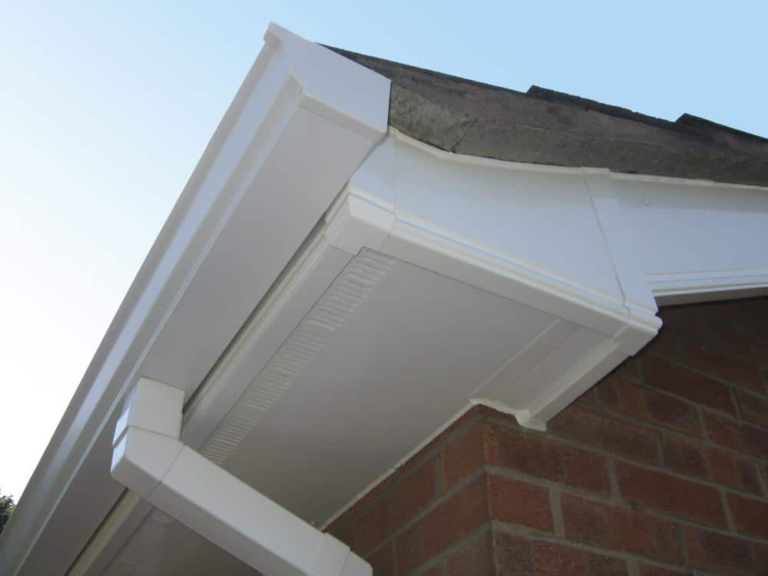
When it pertains to home maintenance, few aspects are as vital as the fascia. This horizontal board runs along the edge of your roof and plays a pivotal role in protecting the structural stability of your home. Gradually, weather exposure and age can cause wear and tear, making fascia replacement a vital job for homeowners. This guide will look into the very best Fascia replacement (hackmd.okfn.de) alternatives available, how to pick the best materials, and when to think about professional help.
What is Fascia?
Fascia is a board that is installed at the lower edge of the roofing system line. It serves numerous functions, consisting of:
- Supporting the bottom row of roofing system tiles or shingles
- Providing an ending up touch to the Roofline Maintenance
- Protecting the rafter beams from weather aspects
- Functioning as a mounting point for gutter systems
Signs You Need Fascia Replacement
Determining issues with your fascia early can save considerable repair expenses later on. Look out for the following signs:
| Sign of Damage | Description |
|---|---|
| Fractures or Splits | Visible damage suggesting degeneration |
| Warping or Buckling | Distorted shape due to moisture or age |
| Mold or Mildew | Indications of water damage resulting in fungal growth |
| Peeling Paint | Indicates underlying rot or moisture problems |
| Insect Infestation | Bugs typically like rotting wood |
Best Fascia Replacement Materials
Picking the ideal product for your fascia replacement is vital for long-term resilience and aesthetic appeal. Below is a contrast of popular Fascia Board Repair products:
| Material | Pros | Cons | Lifespan |
|---|---|---|---|
| Wood | Traditional appearance, easily customizable | Prone to rot, needs regular maintenance | 10-20 years |
| Vinyl | Low maintenance, rot-resistant | Minimal color options, might become brittle | 20-50 years |
| Aluminum | Resilient, rust-resistant, light-weight | Damages easily, can be more pricey | 20-40 years |
| Composite | Eco-friendly, resistant to pests | Greater in advance cost, limited styles | 30+ years |
Secret Considerations When Choosing Fascia Material
- Climate: Areas with high moisture might take advantage of vinyl or composite products due to their resistance to rot.
- Visual Preferences: Wood provides a traditional appearance but may require more frequent maintenance. Choose materials that match your home’s overall architecture.
- Budget: Determine how much you’re ready to spend. While wood may be cheaper at first, the long-term expenses of maintenance must be thought about.
- Environmental Impact: Sustainable materials are progressively crucial. Try to find composite or recycled options if eco-friendliness is a top priority.
Do it yourself vs. Professional Installation
While some house owners might choose to replace fascia themselves, others may prefer to work with professionals. Here’s a breakdown of both methods:
DIY Fascia Replacement
Pros:
- Cost savings on labor
- Fulfillment of completing a home improvement task
- Flexibility in working at your own rate
Cons:
- Requires abilities and tools
- Prospective for mistakes resulting in additional damage
- Lengthy
Professional Installation
Pros:
- Expertise and experience guarantee quality work
- Time-efficient, enabling faster completion
- Warranties on labor and materials typically included
Cons:
- Higher upfront expenses
- Less control over the timeline and task decisions
Installation Process Overview
If you’re considering a DIY approach, here are the general steps for setting up fascia:
-
Gather Tools and Materials:
- Tools: Hammer, nails, saw, measuring tape, level, security goggles.
- Products: Chosen fascia boards, nails, and paint/stain (if using wood).
-
Get Rid Of Old Fascia:
- Carefully take off the old fascia, bearing in mind any attached seamless gutters.
-
Step and Cut New Fascia:
- Measure the lengths needed and cut the new fascia boards to size.
-
Install the New Fascia:
- Position the brand-new boards and protect them with nails, ensuring they are level.
-
Finish:
- If utilizing wood, apply a protective paint or stain. Reattach gutters.
FREQUENTLY ASKED QUESTION: Common Questions About Fascia Replacement
1. How frequently should Fascia Installation be changed?
- It usually lasts 10-50 years depending on the product utilized. Routine examinations can help identify when replacement is needed.
2. Can I replace fascia in winter season?
- While it’s possible, winter conditions can complicate the installation process. It’s typically suggested to wait till warmer weather.
3. What is the expense of fascia replacement?
- Expenses differ widely based on materials and labor. Anticipate anywhere from ₤ 5 to ₤ 20 per direct foot for materials, plus labor costs.
4. What maintenance does fascia require?
- Regular assessments, cleaning of rain gutters, and repainting or staining (for wood) can help prolong the life of your fascia.
5. Do I need authorizations for fascia replacement?
- Contact regional building regulations. In some areas, permits may be required for roofing and structural work.
Fascia replacement is more than just a cosmetic upgrade; it’s vital for safeguarding your home. By picking the ideal products, comprehending the installation process, and understanding when to seek Professional Fascia Replacement aid, property owners can ensure the longevity and visual appeal of their homes. Whether choosing wood, vinyl, aluminum, or composite products, being notified will cause a successful fascia replacement job. Do not wait up until you see signs of damage; proactive maintenance is crucial to preserving your home’s worth and structural stability.
