

Soffits
Add a review FollowOverview
-
Founded Date octobre 25, 1941
-
Sectors Technicien de Maintenance et de Travaux en Système de Sécurité Incendie
-
Posted Jobs 0
-
Viewed 13

Company Description
Nine Things That Your Parent Taught You About Fascia Board Repair
Fascia Board Repair: A Comprehensive Guide
Fascia boards, the horizontal boards that run along the roofline, play a crucial function in securing your home from water damage, bugs, and other environmental elements. Unfortunately, they can weaken gradually due to weather exposure, moisture, and neglect. If you’re noticing signs of wear and tear, it may be time to think about fascia Board repair (saladmeter64.Werite.net) or replacement. In this comprehensive guide, we’ll check out the significance of fascia boards, common problems that can develop, and step-by-step guidelines for repairing or changing them.
Understanding Fascia Boards
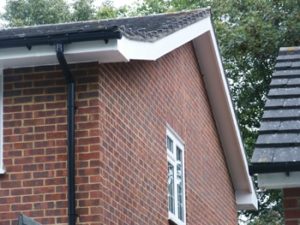
Fascia boards are typically made from wood, vinyl, or aluminum and are installed at the edge of the roofing. They support the lower edge of the roof and serve as a barrier in between the roof and the outdoors elements. Additionally, they offer a completed aim to the roofline and can assist with the installation of seamless gutters.
Common Issues with Fascia Boards
Before diving into repair methods, it’s vital to acknowledge the issues that might demand repair or replacement. Below is a table that lays out some common problems connected with Fascia Replacement boards.
| Problem | Description | Potential Cause |
|---|---|---|
| Water Damage | Soft, decomposing wood or staining. | Leaking seamless gutters, bad drainage. |
| Insect Infestation | Holes or chew marks on the fascia. | Pests like carpenter bees. |
| Paint Peeling | Flaking or bubbling paint indicates underlying moisture problems. | Insufficient sealing or weather. |
| Sagging or Warping | A noticeable dip or curve in the fascia board. | Extreme weight from seamless gutters. |
| Mold and Mildew | Dark spots or fungal development on the surface area. | Excess wetness or bad ventilation. |
Tools and Materials Needed for Fascia Board Repair
Before starting a repair task, ensure you have the right tools and materials. Below is an extensive list:
Tools
- Ladder— To access the roof easily.
- Circular Saw— For cutting new fascia boards.
- Hammer— For nails or the removal of existing boards.
- Nails or Screws— To protect the fascia board.
- Pry Bar— To eliminate rotting boards.
- Measuring Tape— To determine the length of the fascia board.
- Caulk Gun— For sealing spaces.
- Paintbrush— For using protective paint or sealant.
Products
- New Fascia Boards— Choose in between wood, vinyl, or aluminum based on your needs.
- Sealing Paint— To protect versus wetness.
- Wood Filler— For small repairs.
- Sealant— To prevent future water seepage.
Step-by-Step Guide to Fascia Board Repair
Fixing Fascia And Soffit Contractor boards can be a workable task for the DIY enthusiast. Follow these actions for a successful repair:
1. Inspect the Damaged Area
Start with an extensive assessment of your fascia boards to identify the degree of the damage. Try to find signs of rot, insect damage, or water infiltration.
2. Remove the Damaged Section
Thoroughly utilize a lever to eliminate any rotting or harmed areas. Take caution not to harm nearby roofing or seamless gutters. If the fascia is secured with nails, you might require to pull those out also.
3. Get ready for Replacement
Step the length of the harmed fascia and cut a brand-new piece of board to fit. If you’re utilizing wood, consider using a treated range to stand up to wetness.
4. Install the New Fascia Board
Line up the brand-new fascia board with the existing structure and secure it in location using nails or screws. Ensure it is level and flush versus the roofline.
5. Seal and Paint
As soon as installed, use wood filler to any gaps to avoid water infiltration. After the filler has actually dried, paint the brand-new fascia board with a sealant to provide an extra layer of protection against wetness.
6. Last Inspection
After whatever has actually dried, conduct a final assessment. Inspect for any exposed locations that may need additional sealant or paint.
FAQ About Fascia Board Repair
Q1: How frequently should I inspect my fascia boards?
A1: It is recommended to check your fascia boards a minimum of as soon as a year, particularly after heavy storms, to guarantee they remain in excellent condition.
Q2: Can I repair fascia boards myself, or should I employ a professional?
A2: If you have standard DIY skills, you can deal with fascia board repair yourself. Nevertheless, if the damage is substantial or beyond your ability level, hiring a professional is recommended.
Q3: What is the average life expectancy of a fascia board?
A3: The life expectancy of a Best Fascia Replacement board varies based on the product utilized. Wooden fascia boards usually last 10-20 years, while vinyl and aluminum boards can last 20-30 years with proper maintenance.
Q4: How can I avoid future damage to my fascia boards?
A4: Regular maintenance is key. Keep seamless gutters clean, guarantee appropriate drainage, and inspect for indications of wear and tear. Additionally, applying a water-repellent sealant can assist secure against moisture.
Q5: What are the indications that I need to replace my fascia boards?
A5: If you see drooping, extreme rot, substantial bug damage, or relentless wetness concerns, it may be time to replace your fascia boards.
Fascia boards play a crucial function in your home’s structural stability and aesthetic appeals. Recognizing the signs of damage and addressing them without delay can prevent more substantial and costly repairs down the line. Whether you pick to manage the repair yourself or employ a professional, ensuring that your fascia boards are in optimum condition is necessary for a healthy home. Regular evaluations, timely repairs, and preventive maintenance will extend the lifespan of your fascia boards and protect your home for years to come.
