

Wheel Chair Ramp
Add a review FollowOverview
-
Founded Date avril 6, 1980
-
Sectors Commercial en sécurité
-
Posted Jobs 0
-
Viewed 28

Company Description
See What Ramps For Wheelchair Tricks The Celebs Are Using
Understanding Wheelchair Ramps: An Essential Guide
Ramps play an essential role in guaranteeing ease of access for people who use wheelchairs. These structures allow people with mobility problems to navigate physical barriers, such as steps and curbs, enhancing their independence and quality of life. This comprehensive guide will go over different kinds of wheelchair ramps, essential factors to consider when picking one, setup tips, and a regularly asked concerns (FAQ) section to clarify typical issues.
Kinds Of Wheelchair Ramps
Ramps are available in numerous types, each designed for particular environments and requirements. The following table describes the most typical types of wheelchair ramps:
| Type of Ramp | Description | Use Case |
|---|---|---|
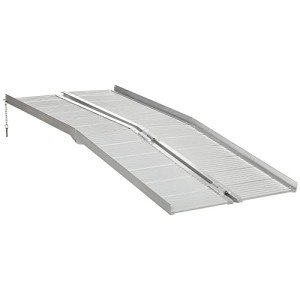
| Portable Ramps | Lightweight and simple to carry | For temporary access needs; occasions or take a trip |
| Irreversible Ramps | Fixed structures normally installed in the houses | Long-term accessibility; property use |
| Modular Ramps | Areas that can be pre-fabricated and customized | Flexible design for unique areas |
| Threshold Ramps | Little ramps created to bridge doorway limits | Particularly for crossovers in between spaces |
| Lorry Ramps | Ramps utilized for loading and discharging wheelchairs from automobiles | Suitable for assistive transportation using vans or trucks |
| Folding Ramps | Can be folded for easy storage and mobility | Beneficial for users who need access in different places |
Selecting the Right Ramp
Choosing the proper wheelchair ramp includes considering several factors. The following list highlights crucial elements to keep in mind:
-
Slope Ratio: The Americans with Disabilities Act (ADA) suggests a slope ratio of 1:12 for a wheelchair ramp, implying for every inch of vertical rise, there need to be at least 12 inches of ramp run. For steeper locations, a ratio of 1:10 might be acceptable but might need more physical effort.
-
Length: Measure the height of the steps or barrier to figure out for how long the ramp requires to be. Longer ramps offer a gentler slope, making them more comfy to use.
-
Width: Standard ramps are normally 30 to 36 inches large. However, it’s essential to ensure that the picked width accommodates the user’s wheelchair easily.
-
Material: Ramps can be made from various materials, including aluminum, wood, and fiberglass. Each material has its benefits regarding weight, toughness, and cost.
-
Surface area: The ramp surface area must be non-slip and supply excellent traction. Textured surface areas can assist prevent accidents, specifically in damp conditions.
-
Weight Capacity: Always check the weight capability of the ramp to ensure it can accommodate the user and their wheelchair.
-
Setup: Consider whether the ramp will be installed completely or if it requires to be portable. Some ramps need professional setup, while others can be established quickly by the user.
Setup Tips
Setting up a wheelchair ramp requires careful planning and execution. Here are some useful suggestions:
-
Consult Local Codes: Before setup, check local building codes and guidelines to ensure compliance.
-
Choose the Right Location: Make sure the ramp is installed in a location that is hassle-free and easily accessible.
-
Use Proper Tools: Gather all needed tools and materials before beginning the setup process to streamline efforts and lessen safety dangers.
-
Secure the Ramp: If installing an irreversible ramp, guarantee it is protected to the ground properly to avoid motion throughout usage.
-
Check the Ramp: After installation, have the ramp evaluated by individuals who will be using it to guarantee it satisfies their requirements and is safe.
Benefits of Wheelchair Ramps
Ramps provide numerous advantages, substantially boosting users’ lives. Here are some of the most noteworthy advantages:
-
Increased Independence: Ramps make it possible for wheelchair users to access homes, companies, and public locations individually without depending on help.
-
Improved Mobility: Ramps for wheelchair help with smooth shifts between different levels, boosting overall mobility and lowering physical strain.
-
Improved Safety: By offering a much safer option to raising individuals over barriers, ramps assist prevent accidents and injuries.
-
Much Better Access to Services: Ramps allow wheelchair users to access important services such as health care, education, and social activities, promoting inclusivity.
Regularly Asked Questions (FAQ)
1. How do I measure for a wheelchair ramp?
To determine for a ramp, determine the vertical rise from the ground to the limit of the door or area to be accessed. Then, increase that height by 12 to identify the minimum ramp length for a safe slope.
2. Are portable ramps safe for daily use?
Yes, portable ramps are designed for security and ease of use. However, it is necessary to ensure they are protected properly during usage.
3. Can I set up a ramp myself?
Lots of basic ramps can be set up without professional aid. However, for bigger or more complicated ramps, employing a specialist might be advisable.
4. What is the average expense of a wheelchair ramp?
The average cost of a wheelchair ramp differs based upon factors such as material, length, and installation. Portable ramps can cost anywhere from ₤ 100 to ₤ 500, while long-term ramps may range from ₤ 1,000 to ₤ 5,000 or more.
5. Are there any grants available for wheelchair ramps?
Yes, there are several grants and funding opportunities readily available through state and federal programs, local organizations, and nonprofits intended at improving availability for individuals with specials needs.
Wheelchair ramps are essential structures that boost accessibility and independence for people with mobility impairments. By comprehending the different kinds of ramps, key considerations for choice and setup, and the advantages they supply, individuals and caregivers can make informed decisions to enhance mobility. Whether thinking about a permanent structural ramp or a portable option, this guide intends to equip users with the needed details to ensure safe and efficient access.
