

Wheelchair Ramps For Homes
Add a review FollowOverview
-
Founded Date juillet 5, 1901
-
Sectors Commercial en sécurité
-
Posted Jobs 0
-
Viewed 14

Company Description
What’s The Current Job Market For Ramps For Disabled Professionals?
Understanding Ramps For Disabled Accessibility: A Comprehensive Guide
In today’s world, ensuring accessibility for individuals with impairments is a vital element of community preparation and advancement. One of the important components of accessibility functions is ramps, which provide a vital methods of navigation for those utilizing wheelchairs, walkers, or merely needing an additional little bit of help. This post aims to offer an introduction of ramps for disabled people, using useful insights and assistance on their design, types, benefits, and best practices, along with an extensive FAQ section.
The Importance of Ramps for Disabled Accessibility
Ramps play a vital function in enhancing the mobility and independence of people with disabilities. By allowing much easier access to structures, public spaces, and transport, these structures significantly minimize the barriers that individuals may come across. Below are some bottom lines that highlight their significance:
- Inclusion: Ramps promote an inclusive society, permitting people with disabilities to participate in day-to-day activities, community events, and work.
- Safety: They provide a much safer option to stairs, decreasing the risk of mishaps for both users with mobility difficulties and caregivers.
- Legal Compliance: Many nations have actually established laws and standards for accessibility (like the Americans with Disabilities Act in the USA), needing the setup of ramps in public buildings.
Table 1: Accessibility Legislation Overview
| Region | Legislation | Key Provisions |
|---|---|---|
| United States | Americans with Disabilities Act (ADA) | Mandates accessible designs for public spaces and buildings. |
| Canada | Ease of access for Ontarians with Disabilities Act (AODA) | Requires public-sector organizations to follow ease of access standards. |
| European Union | Accessibility Act | Develops typical standards for availability throughout member states. |
Kinds of Ramps
Ramps are available in different forms, each developed to fit specific needs and contexts. Below are the most typical kinds of ramps used for disabled access:
- Permanent Ramps: Installed as a part of the building structure, often made from concrete or wood.
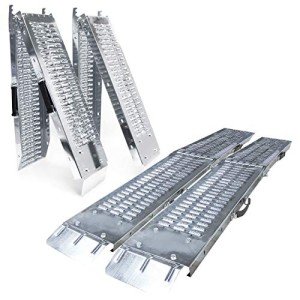
- Portable Ramps: Lightweight and designed for temporary use, typically utilized for individual access to cars or events.
- Suction Cup Ramps: Used for mobility help, these ramps can be attached to vehicles, supplying a flexible service for those who travel.
- Threshold Ramps: Designed to bridge the space between two surfaces at entrances or entry points, helping with smooth shifts.
Table 2: Ramp Types and Features
| Type | Product | Finest Use Cases | Pros | Cons |
|---|---|---|---|---|
| Long-term Ramps | Concrete/Wood | Public buildings/residential | Long lasting, low maintenance | Expensive to set up |
| Portable Ramps | Aluminum/Fiberglass | Events/vehicles | Easy to carry | Might not support heavy weights |
| Suction Cup Ramps | Numerous | Vehicles | Versatile and adjustable | May require more maintenance |
| Limit Ramps | Rubber/Wood | Doorways | Simple installation | Limited height capacity |
Benefits of Ramps
The installation of ramps provides numerous advantages, as laid out listed below:
- Enhanced Mobility: Ramps allow users easier movement up and down inclines, reducing stress and tiredness.
- Independence: With the availability of ramps, individuals with mobility disabilities are most likely to browse their environments without support, boosting their self-confidence and autonomy.
- Increased Opportunity: Accessible ramps ensure that people with disabilities can reach workplaces, schools, and social areas, promoting wider participation in society.
Best Practices for Ramp Design
Producing efficient and safe ramps requires adherence to specific guidelines and concepts. Here are some finest practices to think about:
- Follow Accessibility Standards: Always speak with regional ease of access standards to make sure compliance with regulations.
- Select the Right Slope: The perfect slope ratio is typically 1:12 for wheelchair access. This means one system of vertical increase for each twelve units of horizontal run.
- Non-Slip Surfaces: Use products and surfaces that offer adequate grip, particularly throughout wet or icy conditions.
- Include Handrails: Installing strong handrails on both sides of the ramp can provide additional support and security for users.
- Routine Maintenance: Conduct routine assessments to recognize wear or damage and perform prompt repairs as required.
Table 3: Ramp Design Considerations
| Design Aspect | Recommendation | Value |
|---|---|---|
| Slope Ratio | 1:12 ratio | Guarantees ease of usage for Wheelchair Ramps UK users |
| Width | Min. 36 inches | Enables for safe passage for users and caregivers |
| Surface Material | Non-slip, resilient material | Prevents mishaps and provides durability |
| Handrails | Minimum 34 to 38 inches above ramp surface | Offers extra assistance for users |
| Turnaround Space | Minutes. 5ft x 5ft for modifications in instructions | Accommodates users to pivot securely |
Frequently Asked Questions (FAQs)
1. Who certifies as disabled for ramp availability?
The term « disabled » varies throughout legislation and companies. Typically, it describes people with physical impairments that restrict their mobility or ability to browse stairs, consisting of those using wheelchairs, walkers, or other mobility aids.
2. Are ramps needed in all public buildings?
Yes, most nations mandate that public structures be available to people with specials needs through ramps, as laid out in ease of access legislation.
3. Can I build my ramp, or do I need a professional?
While some house owners may choose to construct their ramps, hiring a professional with expertise in ADA compliance is advisable to guarantee safety and local code compliance.
4. How do I preserve a portable ramp?
Routinely examine the ramp for signs of wear and keep it tidy from debris. Ensure that any movable parts work correctly, and store it in a dry place to lengthen its lifespan.
5. What is the average cost of installing a long-term ramp?
The cost differs widely based upon materials, design, and labor however can range from ₤ 1,000 to ₤ 5,000 or more depending on the site conditions and intricacy included.
Ramps for disabled people are a crucial aspect in cultivating accessible and inclusive environments. Understanding the types, advantages, legal implications, and finest practices for Folding Ramps For Wheelchairs can contribute considerably to improving the quality of life for people with mobility difficulties. As communities continue to establish and modify their infrastructure, making sure accessibility should stay at the leading edge of preparing efforts, enabling everybody to navigate their surroundings effectively. Awareness, education, and dedication to availability will cause a more inclusive society for all.
