

Window Lock Experts
Add a review FollowOverview
-
Founded Date février 8, 1996
-
Sectors Opérateur en videoprotection (Sécurité Privée)
-
Posted Jobs 0
-
Viewed 13

Company Description
Window Lock Diagnosis Tools To Help You Manage Your Daily Life Window Lock Diagnosis Trick That Every Person Should Be Able To
Window Lock Diagnosis: Identifying Issues and Ensuring Safety
Guaranteeing the security and functionality of windows in a building is of paramount value. A reputable window lock not just offers safety however also adds to energy effectiveness by keeping drafts and moisture at bay. Nevertheless, like any mechanical system, window locks can experience concerns that might compromise their efficiency. This article looks into window lock medical diagnosis, assisting property owners and upkeep personnel recognize typical problems, understand their ramifications, and explore prospective services.
Understanding Window Lock Types
Before delving into diagnosis, it’s necessary to familiarize oneself with the various kinds of window safety locks. Below is a table summing up different lock types and their attributes:
| Lock Type | Description | Typical Use |
|---|---|---|
| Sash Lock | A lock that integrates with the window sash. | Double-hung windows |
| Moving Lock | A lock mechanism found on sliding windows. | Sliding or patio area doors |
| Hook Lock | A hook-style lock that protects the window. | Casement windows |
| Keyed Lock | A lock run by a key; offers high security. | Various window types |
| Electronic Lock | A digital lock that can be operated from another location. | High-tech installations |
Typical Window Lock Issues
Window locks can face numerous problems that might prevent their performance. Comprehending these problems is the initial step toward reliable medical diagnosis.
1. Misalignment
One of the most common issues with window locks is misalignment. This takes place when the lock and its corresponding strike plate do not line up properly, making the lock challenging to engage.
2. Rust and Corrosion
Metal locks are vulnerable to rust, especially in environments with high humidity. Rust can result in weakened parts and inefficient locking mechanisms.
3. Broken Components
Mechanical parts can wear in time. This consists of broken equipments, worn-out springs, and snapped cables, all of which can avoid the lock from functioning usually.
4. Dirt and Debris Buildup
Dirt, dust, and debris can collect in the locking mechanism, triggering it to jam. This is particularly typical in older windows that have not been regularly kept.
5. Frozen Lock Mechanism
In chillier climates, moisture can freeze inside the lock mechanism, rendering it inoperable.
6. Key Issues
For keyed locks, typical problems may include bending, breaking, or losing secrets, making it impossible to protect or open the window.
7. Electronic Malfunction
For electronic locks, problems can occur from dead batteries, wiring issues, or software glitches.
Diagnostic Steps
Identifying window lock concerns requires a cautious method. The following actions can guide property owners and maintenance staff in determining issues.
Step 1: Visual Inspection
- Look for misalignment: Observe if the lock and strike plate align effectively.
- Search for indications of rust: Examine metal parts for rust or rust.
- Check for physical damage: Look for broken parts or used systems.
Step 2: Functional Testing
- Test the lock fix: Engage and disengage the lock to examine its efficiency. Note any stiffness or jamming.
- Use the crucial: For keyed locks, guarantee the essential turns smoothly without resistance.
Action 3: Clean the Mechanism
- Remove debris: Use a soft brush or fabric to clean around and within the locking mechanism.
Step 4: Lubrication
- Apply lube: Use a silicone-based lubricant to make sure smooth operation, especially for mechanical locks.
Step 5: Seek Professional Help
- Speak with a locksmith professional or professional: If the problem continues, it may be needed to speak with a professional for repair work or replacements.
Maintenance Tips
To prevent future issues, routine upkeep of window locks is essential. Think about the following upkeep tips:
- Regular Cleaning: Clean Window Lock Diagnosis (Https://Bandori.Party/) locks every few months to eliminate dirt and debris.
- Lubrication: Apply lube each year to guarantee smooth functioning.
- Inspect Regularly: Check locks for indications of wear and tear at least twice a year.
- Replace Worn Parts: Address any wear concerns immediately to avoid additional damage.
FAQs about Window Lock Diagnosis
1. How do I understand if my window lock is broken?
If your lock does not engage appropriately, is misaligned, or reveals noticeable signs of damage (like rust or missing out on parts), it might be broken window lock.
2. Can I fix a window lock myself?
Numerous minor concerns, like cleansing and lubrication, can be handled by homeowners. However, for more complex repairs, seeking advice from a professional locksmith professional is suggested.
3. How typically should I service my window locks?
It’s recommended to examine and keep window locks at least two times a year, more frequently in high-use areas or extreme climate condition.
4. What should I do if my electronic lock isn’t working?
Examine the battery initially; if it’s dead, replace it. If the problem persists, seek advice from the lock’s manual for fixing actions or contact a professional.
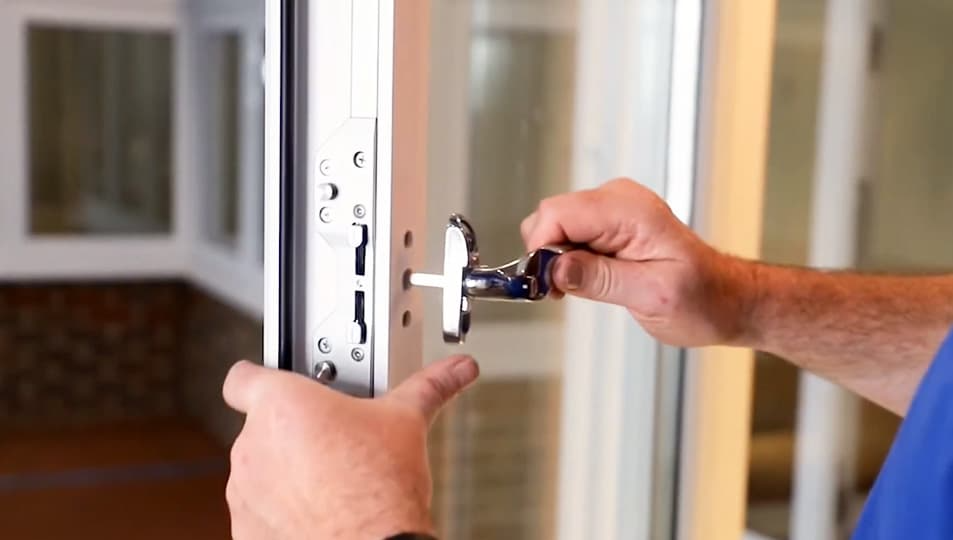
5. Exist security procedures to avoid lock issues?
Using top quality locks, making sure correct setup, and regular maintenance can considerably boost window lock security and performance.
Correct diagnosis and upkeep of window locks are essential for guaranteeing safety and performance. By understanding typical problems and following a methodical method to medical diagnosis, house owners can protect their residential or commercial properties against prospective security hazards. Investing time in regular upkeep will not only extend the life of window locks however likewise enhance the total security of the home.

