

Window Refurbishment
Add a review FollowOverview
-
Founded Date octobre 31, 2000
-
Sectors Opérateur en videoprotection (Sécurité Privée)
-
Posted Jobs 0
-
Viewed 25

Company Description
You’ll Never Guess This Window Restoration’s Tricks
The Art and Science of Window Restoration
Windows are the eyes of a structure, providing a glimpse into both its visual and historical significance. With time, nevertheless, windows can end up being worn, harmed, or obsolete due to weathering, neglect, or altering architectural patterns. This is where Certified Window Repair restoration enters into play. Unlike replacement, which typically leads to a loss of historic character, window restoration intends to protect and invigorate existing windows, guaranteeing they continue to serve their purpose effectively while keeping their initial appeal.
Understanding Window Restoration
Window Renovation restoration involves repairing, refurbishing, and sometimes upgrading existing windows to enhance their functionality while keeping their standard appearance. This process can encompass different kinds of windows, from wood sash windows in historical homes to more contemporary vinyl varieties. Unlike easy repairs, restoration is a more comprehensive method that focuses not just on type but also on function.
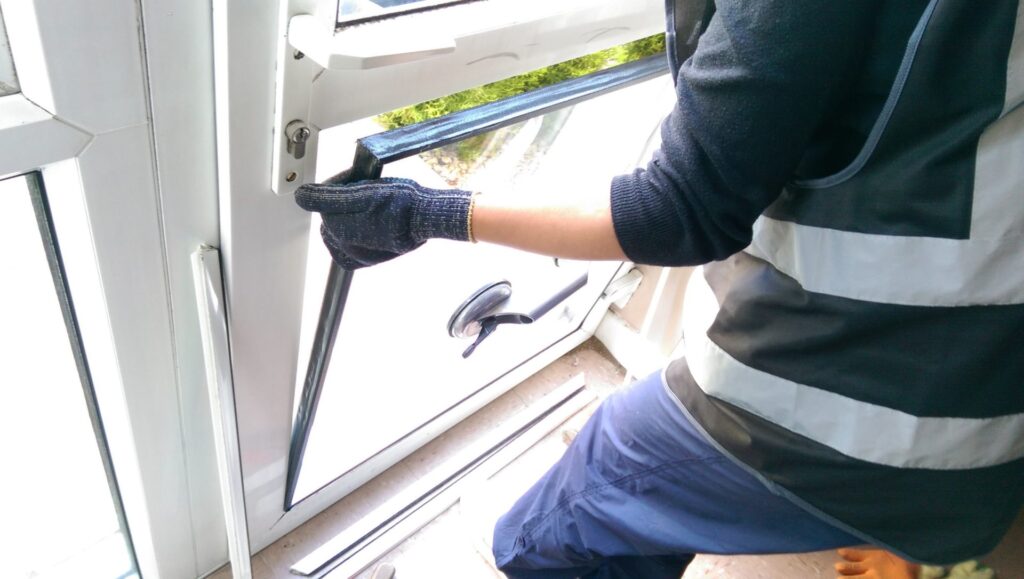
Crucial Element of Window Restoration
The procedure of window restoration can be broken down into a number of crucial elements:
-
Assessment of Damage:
- Inspect the window for signs of decay, such as rot, broken glass, or malfunctioning hardware.
- Assess the window’s overall integrity and evaluate the historical significance of its design.
-
Cleansing:
- Remove dirt, gunk, and old paint. Cleaning up can reveal underlying issues that require attention.
-
Fixing Damaged Components:
- Repair or change any damaged wood, sashes, pulleys, and cables. Often, wood parts can be covered using epoxy resins.
-
Glazing:
- Replace broken or fogged glass panes and apply new glazing putty to ensure a weather-tight seal.
-
Weatherproofing:
- Implement weather-stripping and include storm windows to improve energy effectiveness.
-
Completing Touches:
- Repaint or refinish the wood to ensure defense from the elements and improve aesthetic appeal.
These actions help with a thorough restoration process, making sure that windows are both beautiful and functional.
Benefits of Window Restoration
Restoring windows provides numerous advantages, both for property owners and the environment.
| Advantages | Description |
|---|---|
| Historical Preservation | Preserves the architectural integrity and history of a structure. |
| Energy Efficiency | Upgraded insulation and sealing can minimize cooling and heating costs. |
| Cost-Effectiveness | Frequently less pricey than full replacement, specifically for older homes. |
| Environmental Impact | Lowers waste by recycling existing materials instead of discarding them. |
| Aesthetic Value | Enhances the structure’s appeal and curb appeal. |
The Window Restoration Process
The restoration process can differ depending on the design and condition of the window, but generally follows these actions:
-
Preparation:
- Clear the area around the window and safeguard the surrounding surface areas.
- Eliminate any window treatments and hardware.
-
Dismantling:
- Carefully take the Same Day Window Repair apart, documenting the structure and elements to help reassembly.
-
Repairing Wood:
- Remove rotten areas and change with new wood, ensuring it matches the original.
-
Re-glazing:
- Remove old glazing and set up brand-new glass, guaranteeing a tight fit.
-
Reassembly:
- Reassemble the Certified Window Repair, making sure all parts operate appropriately.
-
Painting and Finishing:
- Apply guide and paint to secure the wood and enhance appearance.
Typical Types of Windows for Restoration
Not all windows appropriate for restoration, but numerous types can gain from this process. Here’s a list of typical window types that are often brought back:
-
Double-Hung Windows:
- These are extremely practical, featuring two operable sashes.
-
Casement Windows:
- Hinged at the sides and opened with a crank, these windows are energy-efficient.
-
Sash Windows:
- Traditional in homes constructed before the 20th century, sash windows can include enormous worth when restored.
-
Bay and Bow Windows:
- These protruding windows allow more light; repairs can be fragile however beneficial.
-
Tainted Glass Windows:
- Often found in churches and historic homes, these windows need specific care.
Frequently Asked Questions (FAQ)
Q: How much does window restoration usually cost?
A: Costs can vary based on factors such as the type of window, extent of damage, and geographic place. However, restoration typically varies from ₤ 100 to ₤ 800 per window.
Q: Can all windows be brought back?
A: Most windows can be restored, but factors such as extreme rot or structural changes to the home might make restoration impractical.
Q: How long does the restoration process take?
A: Depending on the size and condition of the windows, the restoration procedure can take anywhere from a few days to numerous weeks.
Q: Is window restoration worth it?
A: Yes, particularly for historical homes where preserving architectural stability is essential. Restoration can likewise increase property worth.
Q: Can I do it myself or should I work with a professional?
A: While some homeowners might feel comfortable dealing with basic repairs themselves, dealing with a professional ensures the work satisfies both conservation standards and security regulations.
Window restoration is an art that combines craftsmanship with historic awareness. It provides a way not just to protect the past however likewise to improve the performance and energy effectiveness of a building. For those thinking about whether to bring back existing windows or decide for replacements, the benefits of restoration are substantial. By picking to bring back, property owners can keep the character of their homes while contributing to sustainable practices– all while saving costs in the long run.
Whether in a historical district or a suburban area, brought back windows are a testament to the charm of conservation, informing the stories of the structures they embellish.
