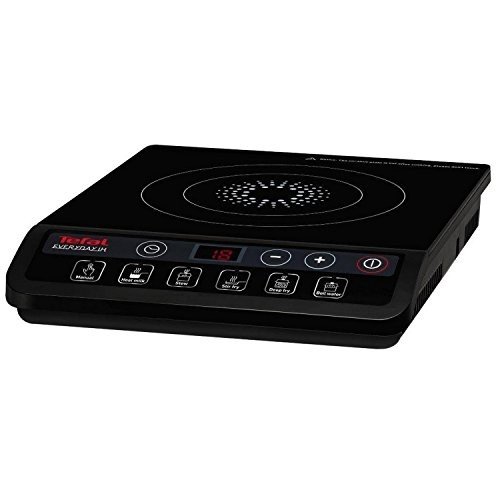
Oven And Hob
Add a review FollowOverview
-
Founded Date août 21, 1913
-
Sectors Technicien en systèmes de sûreté
-
Posted Jobs 0
-
Viewed 21

Company Description
Ten Cookers And Hobss That Really Make Your Life Better
Understanding Cookers and Hobs: A Comprehensive Guide
Cooking is an important element of life, and the development of kitchen home appliances plays a considerable role in how efficiently and efficiently people prepare their meals. Among these home appliances, cookers and hobs are two of the most vital instruments discovered in modern kitchens. This short article dives into the differences between cookers and hobs, examines their various types, and provides insights on their features, upkeep, and choice procedure.
What are Cookers and Hobs?
Cookers
Cookers are thorough kitchen devices developed for cooking tasks, typically combining an oven and a hob. They are available in various configurations and types, accommodating diverse cooking requirements and preferences.

Hobs
Hobs, on the other hand, are more focused devices primarily utilized for boiling, frying, and other stovetop cooking techniques. Hobs can be standalone units or an integrated part of larger cookers.
| Feature | Cookers | Hobs |
|---|---|---|
| Function | Combines oven and hobs and hob | Stovetop cooking only |
| Design | All-in-one system | Different unit or integrated |
| Types | Electric, gas, dual fuel | Gas, electric, induction |
| Setup | Enables for more versatility | Built into the countertop |
| Rate Range | Generally higher | Varies extensively |
Types of Cookers
1. Electric Cookers
Electric cookers use electricity as their primary power source. They typically include an integrated oven and several cooking zones on the hob.
Benefits:
- Even heat distribution
- Offered in numerous designs (e.g., freestanding, integrated)
2. Gas Cookers
Gas cookers run on natural gas or melted petroleum gas (LPG). They use immediate heat control, making them a preferred among expert chefs.
Advantages:
- Instant heat modifications
- More budget-friendly functional costs
3. Double Fuel Cookers
Double fuel cookers integrate the heat of gas with the efficiency of electric ovens. This setup permits the very Best ovens UK of both worlds, supplying control and consistent results.
Advantages:
- Flexible cooking alternatives
- Accurate control over stovetop cooking and baking
4. Variety Cookers
Variety cookers are bigger and more powerful than standard cookers, including several ovens Hobs and hobs for substantial cooking tasks.
Advantages:
- Ideal for big families or cooking for events
- Uses various cooking options in one home appliance
Types of Hobs
1. Gas Hobs
Gas hobs are favored for their fast heating and strong flame, making them outstanding for searing and stir-frying.
Benefits:
- Instant heat and control
- Compatible with any type of cookware
2. Electric Hobs
Electric hobs warm up utilizing electric coils or glass-ceramic surface areas, offering a modern appearance and effective cooking.
Benefits:
- Easier to clean
- Uniform surface area suitable for numerous pots and pans
3. Induction Hobs
Induction hobs use magnetic fields to heat pots and pans straight, providing quick and energy-efficient cooking.
Advantages:
- Safe (cool surface area after getting rid of cookware)
- Energy-efficient and accurate
4. Strong Plate Hobs
These conventional hobs use strong electric plates that warm up slowly.
Advantages:
- Rugged and long lasting
- Typically more budget friendly than other types
Key Features to Consider
When choosing a cooker or hob, a number of functions need to be considered:
- Size and Space: Consider the size of your kitchen and the quantity of office required.
- Cooking Style: Choose based upon choice– gas for control, induction for performance, etc.
- Performance Ratings: Look for energy-efficient models to reduce energy costs.
- Relieve of Cleaning: Smooth surface areas facilitate easy maintenance.
- Safety Features: Automatic shutoff, flame failure devices, and child locks enhance security.
Upkeep Tips
Maintaining cookers and hobs lengthens their lifespan and makes sure safe operations.
- Routine Cleaning: Wipe down surface areas after use to avoid accumulation.
- Check Seals: Check oven door seals routinely for wear and tear to preserve efficiency.
- Service Regularly: Schedule expert maintenance at least when a year.
- Ideal Cookware: Use cookware proper for your hob type to prevent damage.
Frequently Asked Questions (FAQs)
What is the difference between a cooker and a hob?
A cooker combines an oven and hob in one system, while a hob is usually a standalone appliance for stovetop cooking.
Do I need a professional to install a gas cooker or hob?
Yes, professional setup is recommended for gas appliances to guarantee security and compliance with regional regulations.
Can I utilize any type of pots and pans on induction hobs?
Induction hobs need magnetic cookware. Stainless steel or cast iron pots work best hobs. Non-magnetic materials will not warm up.
Are electric cookers more energy-efficient than gas cookers?
While both have benefits, electric cookers tend to be more energy-efficient overall, especially with modern, high-efficiency designs.
How often should I clean my cooker or hob?
It is best oven to clean them after each usage and carry out a comprehensive cleaning weekly to avoid accumulation and residue.
Comprehending the differences, features, types, and upkeep pointers for cookers and hobs is important for any home cook. By picking the right home appliance matched to their cooking needs, users can improve their cooking experience, making meal preparation an efficient and pleasant chore. Whether choosing the instant control of gas or the sleek efficiency of induction, choosing the proper cooker or hob can lead to a significantly enhanced kitchen experience.