

Extractor Hoods For Kitchens
Add a review FollowOverview
-
Founded Date mai 1, 1949
-
Sectors Technicien de Maintenance et de Travaux en Système de Sécurité Incendie
-
Posted Jobs 0
-
Viewed 15

Company Description
The 10 Most Terrifying Things About Stove Extractor Fan
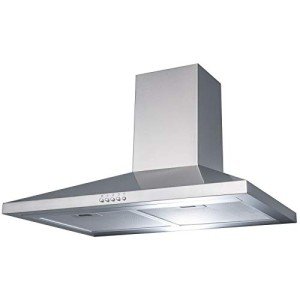
The Essential Guide to Stove Extractor Fans: Your Ultimate Kitchen Companion
In today’s fast-paced world, kitchen ventilation is often neglected in favor of looks or appliance functions. Nevertheless, a stove extractor fan plays a vital function in keeping a healthy and pleasant cooking environment. This post digs into what stove extractor fans are, the different types available, their advantages, setup factors to consider, upkeep ideas, and answers to common questions.
What is a Stove Extractor Fan?
A stove extractor fan, also known simply as a range hood or kitchen hood, is a ventilating device installed above the stove. Its main function is to remove smoke, steam, grease, and cooking smells from the air, enhancing air quality in your kitchen and home.
Kinds Of Stove Extractor Fans
Stove extractor fans been available in different designs and functionalities. Below is a comparison table summing up the most typical types:
| Type | Description | Pros | Cons |
|---|---|---|---|
| Wall-Mounted Hoods | Set up against a wall above the stove | Easy to set up; elegant | Requires wall space |
| Under-Cabinet Hoods | Installed beneath kitchen cabinets | Space-saving; useful | Less effective than other types |
| Island Hoods | Suspended above an island stove | 360-degree ventilation; modern | More costly; needs ceiling support |
| Downdraft Hoods | Integrated into the cooktop and turns up when required | Streamlined style; unobtrusive | Minimal suction; less efficient |
| Professional Hoods | Durable, commercial-grade hoods with high CFM | Outstanding for heavy cooking | High expense; typically needs particular installation |
Advantages of Installing a Stove Extractor Fan
-
Improved Air Quality: The primary advantage is the removal of smoke, grease, and odors, leading to fresher air.
-
Minimized Cooking Odors: No one delights in sticking around smells. An extractor fan effectively removes them, ensuring your home remains enjoyable.
-
Reduced Grease Build-up: By catching grease particles, extractor fans can help keep your kitchen cleaner.
-
Temperature Control: Fans assist in decreasing excess heat produced while cooking, making the cooking experience more comfy.
-
Allergen Control: Proper ventilation helps in reducing dust and other allergens in the kitchen, improving total health.
-
Increased Property Value: A well-ventilated kitchen is a selling point for prospective purchasers.
Setup Considerations
When setting up a stove extractor fan, keep the list below consider mind:
-
Size: Choose a hood that extends at least 3 inches beyond each side of your stove for ideal protection.
-
CFM Rating: The CFM (Cubic Feet per Minute) rating suggests how much air the fan moves. Select one that matches your cooking routines– normally, a variety of 300-600 CFM is sufficient for routine home cooking.
-
Ducted vs. Ductless: Ducted hoods vent smoke outside, while ductless alternatives filter and recirculate the air. Select based upon your kitchen design and needs.
-
Sound Level: Extractor fans can be noisy. Examine the sones rating (a measurement of viewed loudness) to guarantee it suits your preference.
-
Style and Aesthetics: Choose a style that matches your kitchen design. Hoods are available in different finishes like stainless-steel, glass, or even customized styles.
Maintenance Tips
To guarantee your stove extractor fan functions efficiently, routine upkeep is required. Here are some ideas:
-
Clean Filters Regularly: Metal filters can normally be cleaned in warm, soapy water. Replace charcoal filters in ductless models according to manufacturer standards.
-
Inspect for Grease Build-up: Inspect the fan and exhaust duct for grease accumulation. Regular cleaning avoids clogs and fire risks.
-
Inspect the Motor and Blades: Periodically inspect the motor for dust accumulation and ensure the blades are clear from blockages.
-
Change Light Bulbs: If your extractor fan has built-in lighting, check and replace bulbs as required to ensure adequate exposure.
-
Seek Professional Help: If you see any significant issues like strange noises or reduced suction, think about hiring a professional to inspect and fix the fan.
Regularly Asked Questions (FAQ)
1. Do I require a stove extractor fan if I have windows that I can open while cooking?
Windows can offer some ventilation, but a stove extractor fan is more effective in removing smoke and smells quickly. It helps maintain a comfy temperature and air quality no matter outside conditions.
2. How do I know what size extractor fan I require?
Select a fan that is at least as large as your cooking surface, ideally extending a few inches beyond it. For precise sizing, consider the CFM score based on your cooking design– utilize the guidelines above for a quick check.
3. Can I utilize an extractor fan without ductwork?
Yes, ductless extractors filter air and recirculate it back into the kitchen. They are perfect for houses or kitchens without exterior walls. However, they may not be as reliable as ducted types for heavy cooking.
4. How loud are stove extractor fans?
Noise levels differ by model. Inspect the sones ranking when shopping; lower sones suggest quieter operation. The majority of modern fans are created to minimize sound.
5. How often should I clean my stove extractor fan?
Tidy the metal grease filters each month and change charcoal filters for ductless models every four to six months, or as recommended by the manufacturer.
A stove extractor fan is a vital addition to any kitchen, supplying various advantages varying from air quality enhancement to visual appeal. Comprehending the types, advantages, installation factors to consider, and maintenance of these devices can assist you make an informed choice for your kitchen. By investing in the best model and keeping it well, you can delight in a cleaner, healthier cooking environment for years to come. Whether you are a professional chef or an enthusiastic home cook, having a trusted stove extractor fan can significantly raise your cooking experience.
