

Composite Door Repair Process
Add a review FollowOverview
-
Founded Date mars 27, 2005
-
Sectors Technicien en systèmes de sûreté
-
Posted Jobs 0
-
Viewed 12

Company Description
10 Mobile Apps That Are The Best For Composite Door Handle Fix
A Comprehensive Guide to Fixing Composite Door Handles
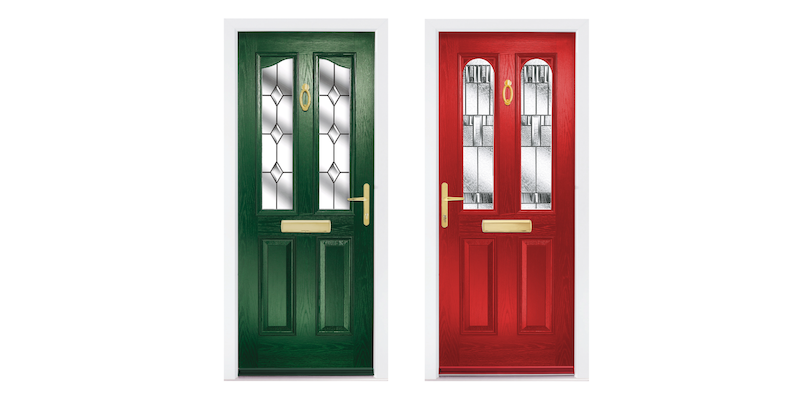
Composite doors are known for their durability, energy performance, and aesthetic appeal. However, like any other element of your home, they can experience wear and tear, especially on the manages. A malfunctioning composite door handle can be both a nuisance and a security concern. This article will provide a detailed guide on how to fix typical issues associated with composite screen Door repair door manages, including troubleshooting suggestions, required tools, and a step-by-step repair process.
Understanding Composite Door Handles
Before delving into the repair process, it is important to understand the components of a composite door repair crew door handle. The normal handle includes the following parts:
| Component | Description |
|---|---|
| Handle Grip | The part you pull or press to open or close the door |
| Spindle | A rod that connects the handle to the locking system |
| Lock Cylinder | The part where the secret is inserted to lock/unlock the door |
| Escutcheon Plates | Ornamental plates that cover the holes in the door |
| Screw Fixings | Screws that secure the handle to the door |
Typical Problems with Composite Door Handles
Comprehending typical issues can assist determine the problem with your composite door repair quote door handle. Here is a list of normal issues:
- Loose Handle: The handle wiggles or relocations excessively when pulled.
- Sticking Handle: The handle feels stiff or unwilling to move.
- Handle Not Engaging Lock: The handle turns but does not engage the locking mechanism.
- Broken Spindle: The handle moves freely but does not run the door lock.
- Damaged Components: Over time, internal components can wear, resulting in malfunction.
Tools and Materials Needed
Before beginning the repair procedure, gather the essential tools and products, which include:
| Tool/Material | Purpose |
|---|---|
| Screwdriver | To get rid of screws from the handle and escutcheon plates |
| Allen Wrench | Required for particular kinds of screw dealings with |
| Replacement Handle | If the present handle is broken beyond repair |
| Lube | To reduce moving parts and reduce friction |
| Cleaning up Cloth | For cleaning surface areas during repair |
Step-by-Step Guide to Fixing Composite Door Handles
Here is an in-depth, step-by-step guide that will assist in fixing typical issues associated with composite door manages:
Step 1: Identify the Problem
Before starting repairs, it is essential to recognize the specific problem. Inspect if the handle is loose, sticking, or not engaging the locking mechanism. Observing the handle while someone runs it can supply insights into the specific problem.
Step 2: Gather Tools and Prepare the Area
Guarantee you have all required tools at hand. Clear the area around the door for simple access and ensure there suffices lighting.

Step 3: Remove the Handle
-
Find the Screws: Find the screws that secure the handle to the door. They are typically found on the interior side of the door, underneath the escutcheon plates.
-
Unscrew the Handle: Use a screwdriver or Allen wrench to remove the screws. Keep them in a safe place for reassembly.
-
Eliminate the Escutcheon Plates: Some handles have ornamental plates that may require to be gotten rid of before accessing the screws.
Step 4: Inspect the Handle and Components
Examine the handle, spindle, and locking mechanism for any visible indications of wear or damage. Try to find:
- Loose Screws: Tighten them if they seem to be the problem.
- Broken Spindle: If the spindle is broken, it will require to be replaced.
- Used Components: Any worn parts ought to be replaced.
Step 5: Lubricate Moving Parts
If the handle is sticking, apply a percentage of lubricant to the moving parts, focusing on the spindle and the locking mechanism. This can typically fix sticking concerns.
Action 6: Reassemble the Handle
-
Position the Handle: Place the handle back onto the door, guaranteeing that all components line up properly.
-
Screw in Place: Replace the screws and tighten them safely but avoid overtightening, which can cause damage.
-
Reattach Escutcheon Plates: If eliminated, put the ornamental plates back in location.
Action 7: Test the Handle
Once reassembled, test the handle numerous times to ensure it operates efficiently. Check if it engages and disengages the locking system effectively.
FAQ
Q: How do I know if I need to change my composite door handle?
A: If the handle is exceedingly loose, the spindle is broken, or the locking mechanism does not engage, replacement is likely necessary.
Q: Can I repair a composite door handle myself, or should I work with a professional?
A: Most small repairs can be done by property owners with fundamental tools and mechanical skills. Nevertheless, if you are uneasy or the issue includes the locking mechanism, it may be best to consult a professional.
Q: How frequently should I keep my composite door handles?
A: Regular maintenance, including periodic lubrication and assessment for wear or damage, is suggested a minimum of as soon as a year.
Q: What type of lubricant should I use on my composite door handle?
A: A dry lubricant or silicone spray is normally best, as it avoids dirt accumulation, which can cause the handle to stick.
Fixing a composite door maintenance company door handle is a workable task that can significantly improve the security and functionality of your door. By following the steps described above, homeowners can deal with typical problems and ensure their certified composite door repair door stays an appealing and reliable barrier against the elements. Routine maintenance will also lengthen the life of the handle, saving time and cash on future repairs.
