

Hob Extractor
Add a review FollowOverview
-
Founded Date juin 20, 1923
-
Sectors Commercial en sécurité
-
Posted Jobs 0
-
Viewed 117

Company Description
Island Extractor Fan Tools To Streamline Your Everyday Lifethe Only Island Extractor Fan Trick Every Individual Should Learn
Understanding Island Extractor Fans: A Comprehensive Guide
When it pertains to modern Kitchen Extractor Hoods designs, few functions are more striking or practical than an island Stove Extractor Fan fan. Also understood as island range Small Cooker Hoods, these home appliances are a vital component in guaranteeing proper air blood circulation and ventilation in kitchens that feature an island cooktop. In this blog site post, we will explore island extractor fans, their advantages, how to select the ideal one for your kitchen, and answer some frequently asked questions.
What is an Island Extractor Fan?
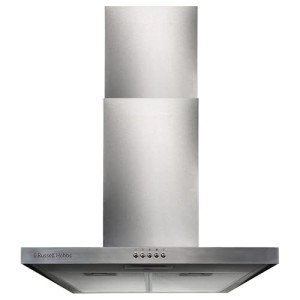
An island extractor fan is a type of kitchen home appliance mounted on the ceiling above an island cooking area. Unlike conventional wall-mounted range Chimney Hoods, which are installed against a wall, island extractors hang straight above the cooking surface area of a kitchen island. They are created to remove smoke, steam, odors, and airborne grease through ventilation systems, guaranteeing a fresher and cleaner kitchen environment.
Advantages of Using an Island Extractor Fan
Island extractor fans use a number of advantages, making them a popular option for many kitchen designs. Here is a list of the key advantages:
-
Enhanced Air Quality: By successfully removing smoke and odors, these fans help maintain a pleasant cooking environment.
-
Elegant Design: Island extractors can be found in numerous designs and finishes, including a modern touch to any kitchen.
-
Improved Cooking Experience: These fans provide outstanding suction power, permitting a more satisfying cooking experience by preventing excess heat and steam.
-
Flexible Installation: Island extractors can be installed in different ceiling heights and configurations, increasing the adaptability of kitchen design.
-
Sound Reduction: Many modern designs are developed to run quietly without compromising efficiency.
-
Energy Efficiency: Many modern island extractors are geared up with energy-efficient motors and LED lighting.
To highlight the advantages, think about the following table comparing conventional wall-mounted hoods with island extractors.
| Function | Standard Wall-Mounted Hoods | Island Extractor Fans |
|---|---|---|
| Mounting | Installed on walls | Suspended from ceilings |
| Design Variety | Limited design alternatives | Wide range of styles |
| Air flow Efficiency | Moderate to high | High airflow efficiency |
| Installation Flexibility | Repaired to a wall position | Adjustable to ceiling heights |
| Noise Level | Varies significantly | Typically quieter |
| Space Utilization | May obstruct views | Open design boosts space |
How to Choose the Right Island Extractor Fan
Choosing the ideal island extractor fan for your kitchen involves a number of considerations. Here’s a list of aspects to bear in mind when making your choice:
-
Size and Dimensions: The fan ought to cover the entire cooking area. A general guideline is to pick a fan that is at least the same width as the cooktop for ideal efficiency.
-
Ventilation Type:
- Ducted: Expels air outside, perfect for those looking for ultimate efficiency.
- Ductless: Recycles air back into the kitchen utilizing filters, best for places where ducting is not practical.
-
Suction Power (CFM): Measured in cubic feet per minute (CFM), this indicates how effectively the fan can eliminate air. Ideally, choose a fan with at least 600 CFM for an island cooktop.
-
Sound Level: Look for designs with a low sone ranking (an unit of measurement for viewed volume) for quieter operation, specifically during high-speed settings.
-
Filter Type and Maintenance:
- Aluminum Filters: Durable and simple to tidy.
- Charcoal Filters: Typically discovered in ductless designs; these need replacement routinely.
-
Style and Aesthetics: Match the extractor’s style with your kitchen decoration. Think about products like stainless-steel, glass, or even custom-made wood finishes.
-
Lighting: Integrated LED lights enhance functionality and presence over the cooktop.
Sample Table for Comparing Models
Below is a sample table that might be used to compare numerous island extractor designs you may be thinking about:
| Model | Size (inches) | CFM | Noise Level (sones) | Ventilation Type | Filter Type | Price (₤) |
|---|---|---|---|---|---|---|
| Model A | 30 | 600 | 3.0 | Ducted | Aluminum | 700 |
| Design B | 36 | 800 | 2.5 | Ducted | Charcoal | 900 |
| Model C | 42 | 1200 | 4.0 | Ductless | Aluminum | 1200 |
| Design D | 30 | 500 | 2.0 | Ducted | Combination | 650 |
Setup Considerations
Setting up an island extractor fan may need expert support. Here are some aspects to think about:
- Electrical Wiring: Ensure there is proper electrical circuitry in location to support the fan’s motor.
- Ductwork: If going with a ducted alternative, prepare for the routing of ductwork through the ceiling.
- Height Adjustment: The fan needs to be set up at an optimum height, typically 30-36 inches above the cooktop.
Frequently Asked Question About Island Extractor Fans
1. How frequently should I clean up the filters?
It is recommended to clean the filters frequently, usually every 1-3 months, depending on usage. Charcoal filters need to be replaced according to the maker’s standards.
2. Are island extractor fans loud?
The noise level differs by design. Look for fans with a lower sone ranking for quieter operation.
3. Can I install an island extractor fan myself?
While some property owners might choose to do it themselves, hiring a professional is frequently suggested for correct installation, particularly when dealing with electrical and ducting systems.
4. Do I need a ducted or ductless extractor fan?
Select a ducted model for remarkable efficiency if possible. A ductless unit might be ideal for apartments or areas where ducting isn’t practical.
5. How do I determine the ideal CFM for my kitchen?
A general standard is to enable 100 CFM for each linear foot of the cooking surface. For instance, for a 3-foot cooktop, search for a fan with a minimum of 300 CFM.
Island extractor fans are not just a practical Kitchen Cooker Hood need however likewise an elegant addition to modern kitchen styles. By guaranteeing the ideal model and proper installation, homeowners can significantly enhance their cooking experience while improving the visual appeals of their culinary spaces. With the considerations detailed in this post, selecting the ideal island extractor fan can be an easy and gratifying undertaking.
