

Cheap Lock Repair
Add a review FollowOverview
-
Founded Date septembre 9, 1964
-
Sectors Commercial en sécurité
-
Posted Jobs 0
-
Viewed 10

Company Description
Household Lock Repair Tips To Relax Your Everyday Lifethe Only Household Lock Repair Trick That Everyone Should Know
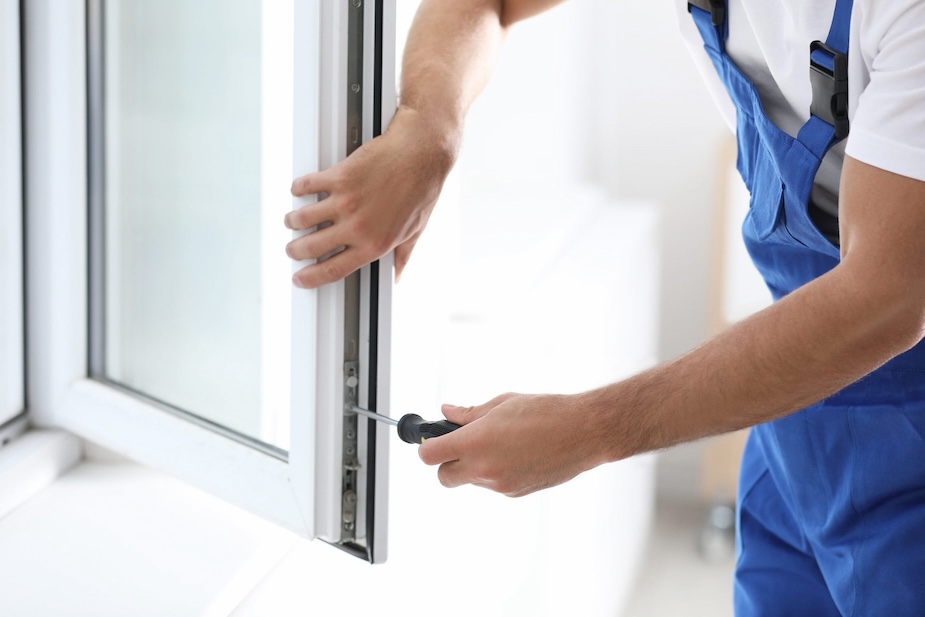
Household Lock Repair: A Comprehensive Guide
Home locks play a crucial role in securing our homes, supplying security and personal privacy for our families. However, locks can end up being malfunctioning with time, causing aggravating circumstances where a lock might jam, breakdown, or perhaps break entirely. Understanding the indications of lock concerns and understanding how to resolve them can save property owners time, money, and tension. This article dives into home lock repair, including an in-depth guide, common problems, and vital maintenance suggestions.
Comprehending Locks: Types and Components
Before delving into repair approaches, it’s important to comprehend the kinds of locks frequently discovered in households and their parts.
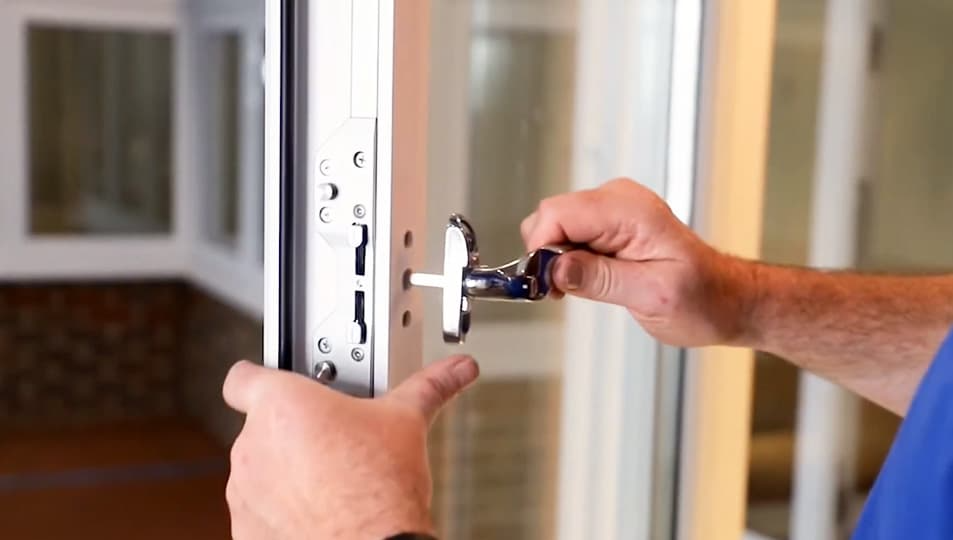
Typical Types of Locks
| Type of Lock | Description | Common Issues |
|---|---|---|
| Deadbolt | A protected lock that needs a key for locking/unlocking. | Misalignment, rust, jammed crucial |
| Knob Lock | A lock incorporated into the doorknob. | Broken knob, damaged system |
| Lever Handle Lock | A lock that uses a lever to open. | Loose deal with, sticking system |
| Smart Lock | Electronic locks with keypad or Bluetooth gain access to. | Battery issues, software bugs |
Secret Components of a Lock
| Part | Description |
|---|---|
| Cylinder | The part where the secret is inserted. |
| Bolt | The piece that extends into the frame to protect the door. |
| Tumbler | The system that avoids the lock from turning without a proper secret. |
| Escutcheon | The ornamental plate that covers the inner workings of the lock. |
Signs That Your Lock Needs Repair
Recognizing when a lock is malfunctioning is crucial. Here are typical signs that indicate a lock might need repair:
- Difficulty Turning the Key: If the key is tough to turn or doesn’t turn at all, it might show an internal concern.
- Jamming: The lock may get stuck in the locked or unlocked position, making it unusable.
- Loose or Wobbly Handle: A loose handle can show wear and tear that might impact the locking system.
- Visible Damage: Cracks, rust, or other physical damage can hinder the lock’s function.
- Key Breaking Off: If an essential breaks inside the lock, it is a clear indication of problem.
- Electronic Issues: For clever locks, concerns like battery failure or problems with the software application might require attention.
DIY Lock Repair: Step-by-Step Guide
Fixing a lock can often be a simple process if you have the right tools and understand the appropriate methods. Below is a step-by-step guide for typical lock repair work.
Tools Required
| Tool | Function |
|---|---|
| Screwdriver | For removing screws and dismantling the lock. |
| Lube (Graphite or WD-40) | To oil the internal components. |
| Replacement Parts | Such as new cylinders, bolts, or secrets as required. |
| Pliers | For gripping or adjusting small components. |
| Cleaning Cloth | To wipe surfaces and eliminate debris. |
Step-by-Step Repair Guide
- Identify the Issue: Start by carefully examining the lock to determine the source of the issue.
- Eliminate the Lock: Use a screwdriver to carefully remove the residential lock repair from the door.
- Tidy the Lock: Wipe the outside and make certain to remove any dust, dirt, or debris that might be causing issues.
- Lubricate the Components: Apply a little amount of lubricant to the keyhole and internal moving parts.
- Tighten Up or Replace Loose Parts: Check for any loose screws or elements; tighten them as needed. If parts are damaged, consider replacing them.
- Reassemble the Lock: Carefully put the Household Lock Repair back together, making sure everything is aligned correctly.
- Reinstall the Lock: Secure the lock back onto the door and test the system to guarantee it works efficiently.
When to Call a Professional
While lots of minor window lock parts repair work can be dealt with by house lock repair owners, there are situations where expert assistance is necessary:
- Severe Damage: If the lock is badly damaged or the system is broken, it’s finest to call a locksmith.
- Smart Lock Issues: If a smart lock has a technical problem that can not be solved through standard troubleshooting, expert assistance may be required.
- Security Concerns: If a homeowner feels their security might be compromised due to a malfunctioning lock, it’s a good idea to seek advice from a professional right away.
Upkeep Tips for Locks
Preventive upkeep can extend the life of home locks. Here are some necessary upkeep ideas:
- Regular Lubrication: Apply lube every 6 months to keep the internal parts moving smoothly.
- Keep It Clean: Regularly tidy locks to avoid dirt from collecting.
- Look for Wear and Tear: Regularly examine locks for indications of damage or wear. Change them as necessary.
- Test Keys Regularly: Ensure all secrets work efficiently within the locks; change used secrets when needed.
- Prevent Force: Never force a key into a lock or use extreme force to turn it, as this can harm the mechanism.
FAQ: Common Questions About Household Lock Repair
Q1: How much does it cost to repair a lock?
- A1: The cost can differ considerably depending upon the type of lock and the extent of the damage. Fundamental repair work may begin with ₤ 50, while complicated problems might cost upwards of ₤ 150.
Q2: Can I repair a lock myself?
- A2: Many small repairs can be dealt with by DIY lovers. However, if you’re not sure or the problem is extreme, it’s finest to contact an expert.
Q3: What should I do if my crucial breaks inside the lock?
- A3: Try to draw out the broken piece using pliers or a broken crucial extractor tool. If unsuccessful, call a locksmith.
Q4: How frequently should I maintain my locks?
- A4: It’s advisable to examine and maintain locks every six months to guarantee optimal performance.
Q5: What if my smart lock stops working?
- A5: First, check the batteries and guarantee the software is updated. If issues continue, seek advice from the producer’s support or a locksmith.
Home lock repair is an important ability that can substantially add to the security and performance of a home. By comprehending the types of locks, recognizing signs of breakdown, and following a straightforward repair guide, homeowners can conserve money and time while guaranteeing their homes stay safe and secure. Regular upkeep is key to preventing issues, and knowing when to look for professional aid can further enhance home security. Ultimately, keeping an awareness of family locks results in a more safe and peace-of-mind living environment.
