

Door Lock Repair
Add a review FollowOverview
-
Founded Date mars 12, 1987
-
Sectors Technicien de Maintenance et de Travaux en Système de Sécurité Incendie
-
Posted Jobs 0
-
Viewed 96

Company Description
You’ll Never Be Able To Figure Out This Lock Troubleshooting’s Secrets
Lock Troubleshooting: Your Comprehensive Guide
Locks are an essential part of our daily lives, supplying window security and comfort. However, they can sometimes malfunction, leaving you locked out or not able to protect your valuables. Comprehending common lock problems and how to repair them can save you time, cash, and aggravation. This blog post checks out the most common lock problems, their causes, and reliable services.
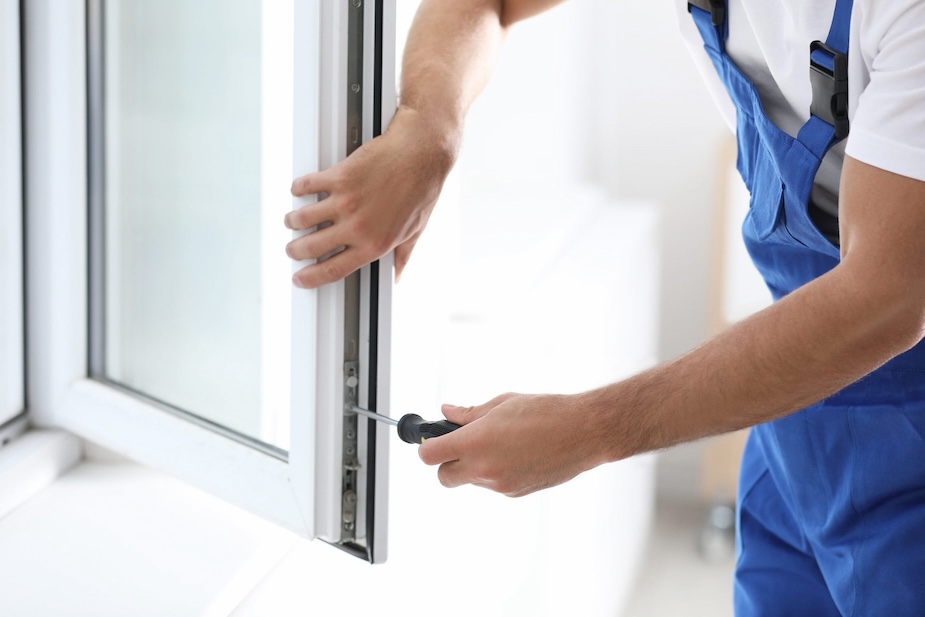
Common Lock Problems
In the table below, we describe a few of the most common lock issues and their possible causes:
| window lock technician Problem | Description | Potential Causes |
|---|---|---|
| Secret Won’t Turn | The key can not be turned in the lock | Dirt, particles, or rust in the lock mechanism |
| Key Gets Stuck | Key ends up being lodged in the lock | Damage to the secret or lock, misalignment |
| Lock is Jammed | Lock system does not engage appropriately | Corrosion, internal damage, or foreign objects |
| Deadbolt Won’t Extend or Retract | Deadbolt fails to move in or out | Misalignment, damaged spring, or dirt buildup |
| Electronic Lock Malfunction | Digital lock does not react | Low battery, misconfigured settings, or software glitch |
| Cylinder is Loose | Lock cylinder moves individually of the lock | Loose screws, wear and tear |
Secret Won’t Turn
Causes:
- Dirt and Debris: Over time, dirt and particles can collect in the keyway, avoiding the key from turning efficiently.
- Rust: A rusty lock can cause the internal parts to take, making it challenging to turn the secret.
Solutions:
- Cleaning: Use a can of compressed air to burn out dust or particles.
- Lubrication: Apply a lock lube to help the internal components move smoothly. Prevent utilizing oil-based products as they can draw in dirt.
Key Gets Stuck
Causes:
- Damaged Key: A worn or bent secret can get caught in the lock.
- Misalignment: If the lock repair cost is misaligned, the secret might struggle to fit effectively.
Solutions:
- Key Replacement: If the secret is damaged, have a brand-new one made.
- Straightening the Lock: Check the installation of the lock and adjust it as necessary to ensure appropriate positioning.
Lock is Jammed
Causes:
- Corrosion: Lock systems may rust gradually, causing them to jam.
- Foreign Objects: Objects like coins or small tools can get lodged in the lock.
Solutions:
- Inspect for Obstructions: Carefully examine the house window lock repair for foreign things and eliminate them.
- Use Graphite Powder: For locks that are hard to operate, graphite powder can help in reducing friction.
Deadbolt Won’t Extend or Retract
Causes:
- Misalignment: The deadbolt may not align with the strike plate, avoiding it from engaging.
- Broken Spring: A damaged internal spring can prevent the deadbolt from functioning appropriately.
Solutions:
- Adjusting Alignment: Loosen and rearrange the strike plate to align with the deadbolt.
- Replacing the Deadbolt: If the spring is broken, the deadbolt may require to be changed.
Electronic Lock Malfunction
Causes:
- Low Battery: Many electronic locks depend on batteries, which can deplete with time.
- Software application Issues: Firmware problems or inaccurate settings can likewise cause breakdowns.
Solutions:
- Battery Replacement: Change the batteries routinely to avoid lockouts.
- Resetting the Lock: Refer to the producer’s guidelines for resetting the lock’s software settings.
Cylinder is Loose
Causes:
- Loose Screws: If the screws holding the cylinder in place become loose, it can lead to extreme movement.
- Use and Tear: Over time, wear can trigger the cylinder to loosen.
Solutions:
- Tightening Screws: Use a screwdriver to tighten up any loose screws on the lock or cylinder.
- Replacing the Cylinder: If the cylinder is harmed, think about replacing it to ensure security and functionality.
Frequently Asked Questions (FAQs)
Q1: Why does my lock keep jamming?
A1: Locks can jam due to dirt buildup, deterioration, or foreign things getting lodged in the mechanism. Routine upkeep and cleaning can assist prevent this issue.
Q2: What type of lubricant should I utilize on my locks?
A2: It is best to use a specialized lock lubricant or graphite powder. Avoid oil-based lubes, as they can attract dirt and gunk.
Q3: How do I know if my electronic lock batteries require changing?
A3: Many electronic locks will alert you with flashing lights or a low battery warning. If you notice your lock is unresponsive, it’s time to replace the batteries.
Q4: What should I do if my crucial breaks off in the lock?
A4: Try utilizing needle-nose pliers to carefully pull the remaining piece of the key out. If unsuccessful, contact a locksmith professional for assistance.
Q5: Can I repair a lock myself, or should I call a professional?
A5: Many minor problems can be fixed with easy tools and materials, however if you’re uncertain or deal with a substantial breakdown, calling an expert locksmith is suggested.
lock troubleshooting (a-taxi.com.ua) can be overwhelming, however comprehending typical issues can empower people to tackle numerous of these issues themselves. Routine upkeep, such as cleansing and lubrication, can avoid most lock-related problems. Nevertheless, always understand when to seek aid from an expert locksmith professional, especially for complicated problems. With this guide in hand, you’ll be much better geared up to make sure the security and functionality of your locks.
