Experienced Guttering
Add a review FollowOverview
-
Founded Date mai 21, 1913
-
Sectors Technicien en systèmes de sûreté
-
Posted Jobs 0
-
Viewed 23

Company Description
10 Things That Your Family Teach You About Gutter Downspouts
Understanding Gutter Downspouts: A Comprehensive Guide
When it comes to home maintenance, Gutter Cleaning systems are frequently ignored, yet they play an essential role in protecting a house from water damage. One of the crucial parts of a Gutter Company system is the downspout. This post will explore what downspouts are, their functions, types, installation considerations, maintenance, and more, including tables for clearness and a comprehensive FAQ section to resolve typical questions.
What Are Gutter Downspouts?
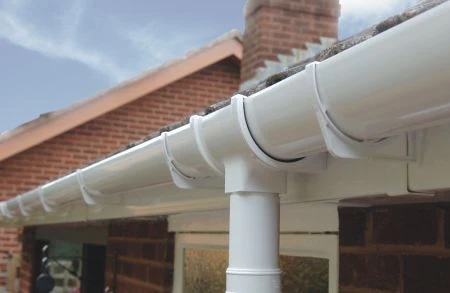
Gutter Cleaning downspouts are vertical pipes that transport rainwater from the roof gutters down to the ground or drainage systems. Their primary function is to direct water far from the foundation of the home, preventing flooding and disintegration.
Table 1: Functions of Gutter Downspouts
| Function | Description |
|---|---|
| Water Diversion | Directs rainwater circulation away from the structure foundation |
| Erosion Control | Avoids soil erosion around the boundary of your home |
| Foundation Protection | Avoids water build-up that can harm the foundation |
| Moisture Control | Helps to control moisture levels in basements and crawl areas |
Kinds Of Gutter Downspouts
There are numerous kinds of downspouts readily available, each with its own advantages and downsides. Below is a breakdown of the most typical types.
Table 2: Types of Gutter Downspouts
| Type | Product | Pros | Cons |
|---|---|---|---|
| Rectangle-shaped | Aluminum/Steel | Easy Guttering Installation, versatile | Can damage or rust in time |
| Round | PVC/Aluminum | Durable, low maintenance | May not blend well with some home designs |
| Square | Copper | Aesthetic appeal, long-lasting | Higher cost, made complex installation |
| Custom | Different | Tailored to specific needs | Potentially pricey |
Secret Considerations for Installation
When installing Gutter Replacement downspouts, a number of factors should be considered to make sure ideal efficiency and durability.
1. Location and Layout
- Placement: Position downspouts at corners and areas where water tends to collect.
- Distance: Downspouts must be placed a minimum of 5-10 feet far from the structure to prevent pooling.
2. Size and Capacity
- Sizing: Downspouts should be adequately sized to handle the volume of water from the gutters. A general guideline is that a 2×3 inch downspout can manage approximately 600 square feet of roof area.
3. Product Choice
- Pick a product that matches the home’s outside and is resistant to deterioration and wear.
4. Drainage Solutions
- Think about adding extensions or splash blocks at the base of downspouts to direct water even more away from the structure.
Table 3: Downspout Sizing Guidelines
| Roof Area (sq. ft.) | Downspout Size (inches) |
|---|---|
| Up to 600 | 2 x 3 |
| 600 – 1200 | 3 x 4 |
| 1200 – 2400 | 4 x 5 |
Maintenance Tips for Gutter Downspouts
Regular maintenance is necessary for the efficiency of downspouts. Here are some essential maintenance tips:
1. Regular Cleaning
- Clear particles like leaves, dirt, and twigs from downspouts to make sure unblocked flow.
2. Examine for Blockages
- Check downspouts periodically for blockages, particularly after heavy rains.
3. Inspect for Damage
- Search for indications of rust, deterioration, or physical damage. Repair or replace damaged areas immediately.
4. Make Sure Proper Alignment
- Make sure that downspouts are properly aligned to assist water effectively.
5. Winter Preparation
- In areas with freezing temperatures, make sure downspouts are clear to avoid ice dams, which can trigger obstructions.
Typical FAQs About Gutter Downspouts
1. How often should I clean my downspouts?
- It is recommended to clean them a minimum of twice a year: once in spring and once in fall. More regular cleaning might be needed in locations with numerous trees.
2. What happens if downspouts are clogged?
- Clogged downspouts can result in overflow, triggering water damage to the roof, walls, and structure.
3. Can I set up downspouts myself?
- Yes, with the right tools and knowledge, DIY installation is possible. Nevertheless, hiring a professional makes sure correct installation.
4. Do downspouts need to be insulated?
- Insulating downspouts can be helpful in cooler climates to avoid freezing, specifically if they result in interior drainage systems.
5. Are there options to traditional downspouts?
- Yes, rain chains and ornamental downspouts can function as visual options while still redirecting water effectively.
Gutter downspouts are important parts of a home’s drainage system, guaranteeing that rainwater is efficiently directed far from the foundation to prevent water damage. Regular maintenance and appropriate installation can enhance their performance and durability. By understanding the types, functions, and maintenance needs of downspouts, house owners can take proactive steps in safeguarding their properties against water-related problems. Whether carrying out DIY setups or seeking professional support, prioritizing downspout care will always yield a well-protected home.