

Fake Money For Sale
Add a review FollowOverview
-
Founded Date août 17, 1971
-
Sectors Opérateur en télésurveillance
-
Posted Jobs 0
-
Viewed 52

Company Description
24-Hours To Improve Best Counterfeit Money
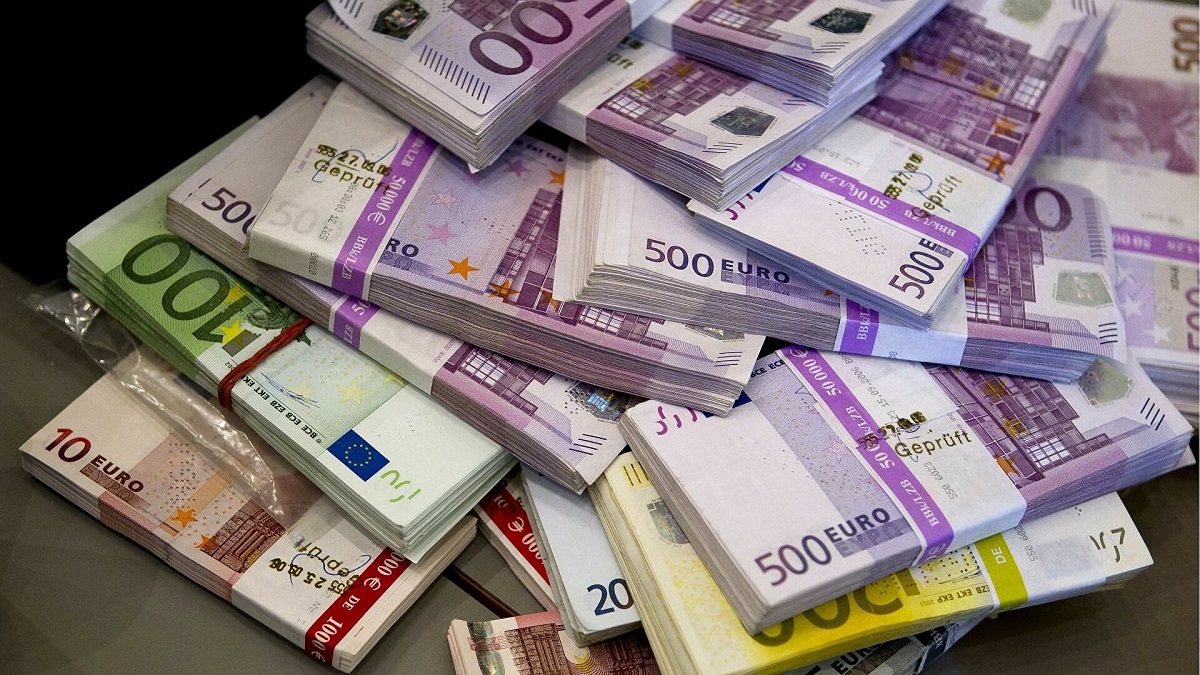
The Best Counterfeit Money: Understanding Quality and Techniques
Counterfeit money has actually long captivated individuals, generating taboo conversations around its techniques, production, and avoidance. In today’s world, understanding counterfeit money is not simply a matter of interest however a crucial aspect of financial literacy. From determining fake notes to discovering the technology used in producing high-quality counterfeits, this detailed guide aims to notify readers about the very best practices surrounding counterfeit money.
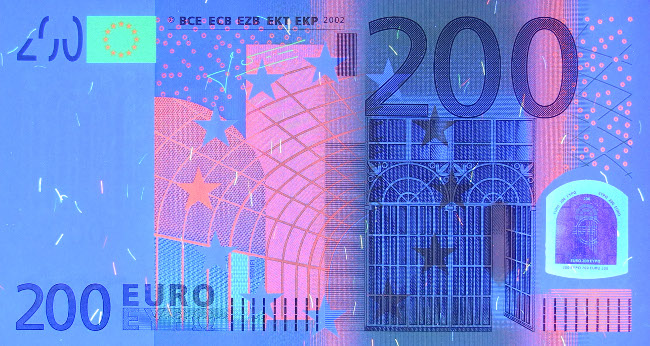
What is Counterfeit Money?
Counterfeit money describes imitation currency produced without the legal sanction of the state, designed to resemble authentic currency in look and use. The production of counterfeit money is a criminal offense worldwide, with serious charges for those caught in possession or distribution of fake notes. While it’s ideal to consider these fraudulent developments in an ethical context, understanding them can likewise aid in discovering how to secure oneself against fraud.
Kinds Of Counterfeit Money
The production of counterfeit money can usually be divided into two classifications: Low-Quality Counterfeits and High-Quality Counterfeits. Below is a contrast table that lays out the distinctions in between these two types.
| Qualities | Low-Quality Counterfeit | High-Quality Counterfeit |
|---|---|---|
| Production Method | Inkjet printers, copying | Professional-grade printing equipment |
| Paper Quality | Common paper, not imitating currency feel | Specialized currency paper with texture |
| Security Features | Does not have holograms, watermarks, and micro-prints | High precision mimicry of genuine security functions |
| Visual Similarity | Mismatched colors and sizes | Near-perfect resemblance to genuine notes |
| Detection | Easily identifiable by casual assessment | Requires sophisticated detection techniques and tools |
Table: Low-Quality vs High-Quality Counterfeit Money
| Classification | Low-Quality | High-Quality |
|---|---|---|
| Cost | Inexpensive to produce | More expensive; requires ability and resources |
| Threat of Discovery | High danger; quickly found | Low danger; might avert casual scrutiny |
| Legal Consequences | Worsened if captured | Extreme; expert bad guys deal with long sentences |
| Common Uses | Small rip-offs, enthusiast forgeries | The mob, massive distribution |
Legal and Ethical Considerations
The discussion of counterfeit money inevitably causes ethical and legal considerations. While counterfeit money can be appealing to study, it is essential to keep in mind that the illicit production and circulation of counterfeit currency damage economies and individuals alike. Engaging in counterfeit activities is punishable by long prison terms and large fines. Law enforcement firms and organizations work relentlessly to fight this criminal offense, using advanced innovations and thorough training for detection.
Checking out the Art of Counterfeit
For academic functions, it might be fascinating to analyze the strategies and innovations embraced in the production of High-Quality Counterfeit Money counterfeit currency. Here are some common techniques:
-
Advanced Printing Techniques: Counterfeiters might utilize offset printing, lithography, and even digital approaches to create more authentic-looking money.
-
Specialized Paper: Some counterfeiters go as far as to acquire paper that imitates the texture and structure of real currency.
-
Reproducing Security Features: Advanced counterfeiters take the time to reproduce security features such as watermarks, microprinting, and color-shifting inks.
-
Digital Manipulation: High-quality counterfeiting typically includes utilizing graphic design software to change and ideal the counterfeit images.
Recognizing Counterfeit Money
As counterfeiting innovation progresses, so too does the capacity for individuals to recognize counterfeit money. Here is a checklist that can assist:
Checklist: Signs of Counterfeit Currency
- Feel the Paper: Genuine currency has a distinct texture that counterfeit paper typically does not have.
- Look for Watermarks: Hold the bill up to the light and search for watermarks, which are a security feature.
- Examine the Details: Look carefully at the images, text, and borders for any smudging or disparities.
- Use the Tilt Test: Many currencies feature ink that changes color when tilted.
- Microprinting Verification: Use a magnifying glass to find small letters or patterns that are tough to recreate.
Table: Security Features of Popular Currencies
| Currency | Key Security Features |
|---|---|
| GBP | Watermarks, color-shifting ink, microprinting, security thread |
| Euro | Holograms, windowed security thread, microprinting |
| British Pound | Watermark, color-changing ink, raised print |
How to Protect Yourself from Counterfeit Money
To make sure safety while transacting, consider implementing the following strategies:
- Use Multiple Verification Methods: Combine different recognition strategies for higher precision.
- Inform Yourself: Stay updated on the current counterfeit trends and methods.
- Use Technology: Invest in counterfeit detection tools like UV lights and magnifiers.
- Report Suspicious Currency: Inform regional law enforcement or your bank if you get doubtful bills.
FAQ Section
Q: Why do individuals counterfeit money?A: Counterfeiting
is frequently inspired by monetary gain, allowing individuals to illegally acquire goods or services without genuine currency. Q: What are the penalties for counterfeiting money?A: Penalties differ by jurisdiction but might include lengthy jail sentences, significant fines, and restitution. Q: How can I identify counterfeit money without special tools?A: Familiarize yourself with the feel and security features of legitimate currency, using common checks such as the tilt test and visual evaluation. Q: Can I report counterfeit money anonymously?A: Yes, numerous police enable confidential suggestions concerning counterfeit currency. Comprehending the world of counterfeitmoney is important for safeguarding oneself from financial fraud.
While the development of counterfeit currency is a criminal activity, informing oneself on the different types and approaches
used in counterfeiting can function as a valuable tool for recognition and avoidance. As innovation develops, so do the strategies used by counterfeiters, which even more highlights the importance of continuous learning and alertness in this location. By engaging with this topic, people can substantially improve their monetary literacy and security strategies.
