Fascia And Soffit Maintenance
Add a review FollowOverview
-
Founded Date décembre 6, 1972
-
Sectors Opérateur en télésurveillance
-
Posted Jobs 0
-
Viewed 24

Company Description
5 Killer Quora Answers On Soffit And Fascia Repair
Soffit and Fascia Repair: A Comprehensive Guide
When it comes to maintaining the integrity and aesthetics of a home, soffit and fascia are frequently overlooked components. These structural elements not just improve the overall look of a house but also play a vital function in protecting it from weather condition damage. This post intends to provide thorough insights into soffit and fascia repair, helping homeowners understand the value of these components, typical problems, repair techniques, and maintenance pointers.
Understanding Soffit and Fascia
Before delving into repair strategies, it’s essential to understand what soffit and fascia are.
What is Soffit?
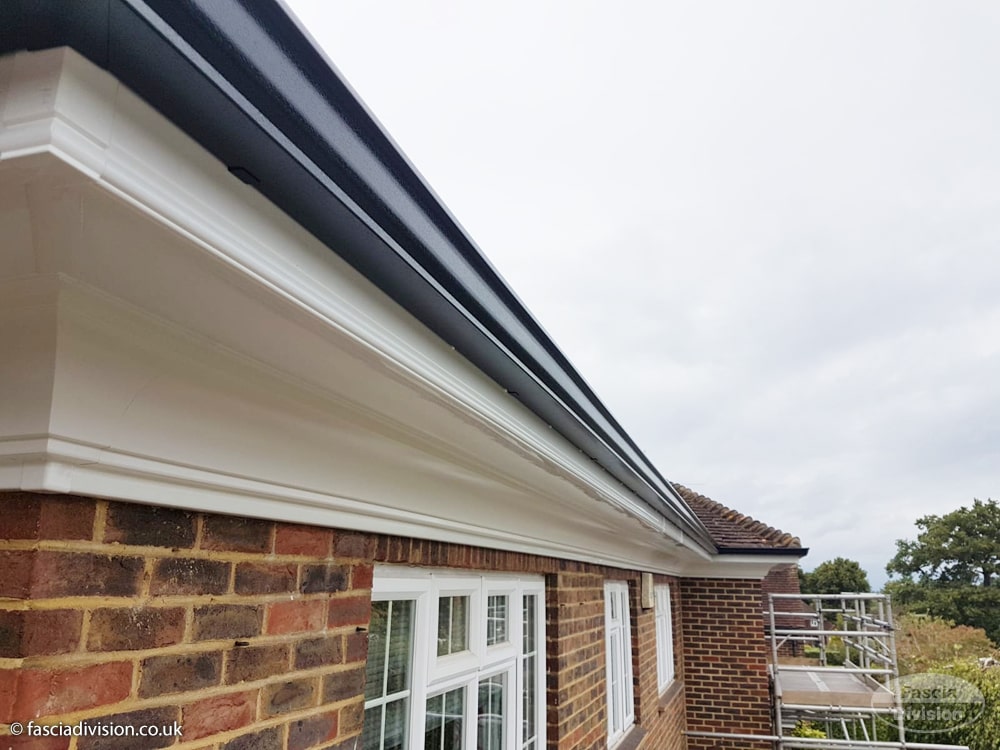
Soffit is the material that covers the underside of the Eaves Replacement of a roof. It is typically vented to enable air flow into the attic space, which helps in controling temperature and moisture levels. Proper ventilation is vital to avoid mold growth and structural damage.
What is Fascia?
Fascia, on the other hand, is the horizontal board that runs along the edge of the Roofline Replacement. It acts as an assistance structure for the lower edge of the roof tiles or shingles and plays an essential role in safeguarding the roofing from water damage by directing rainwater into the gutter system.
Table 1: Functions of Soffit and Fascia
| Component | Function |
|---|---|
| Soffit | Covers the eaves, enables ventilation, avoids wetness accumulation, and improves visual appeals. |
| Fascia | Supports the roof edge, secures versus water damage, and supplies a finish to the roofline. |
Typical Issues with Soffit and Fascia
Over time, soffit and fascia can suffer from various issues due to direct exposure to the elements, bugs, or lack of maintenance. Here are some typical issues:
1. Water Damage
Water damage is among the most widespread issues. If rain gutters are clogged or harmed, water can overflow and trigger rot or discoloration in both soffit and Fascia And Cladding.
2. Pest Infestation
Soffit is often a target for pests such as bees, wasps, and rodents. Infestations can result in more damage if not resolved quickly.
3. Mold and Mildew
Due to moisture accumulation, mold and mildew can establish, causing health problems and structural damage.
4. Cracks and Warping
Severe climate condition can cause the materials to warp or establish fractures, compromising their stability.
Table 2: Common Issues and Signs to Look for
| Problem | Indications of Problem |
|---|---|
| Water Damage | Staining, peeling paint, soft areas |
| Pest Infestation | Noticeable nests or droppings |
| Mold and Mildew | Musty smells, black or green development |
| Cracks and Warping | Noticeable defects, spaces, or splits |
Repair Techniques for Soffit and Fascia
Repairing soffit and fascia requires an understanding of the type of damage and the appropriate techniques to rectify it. Here’s a breakdown of common repair strategies.
1. Water Damage Repair
- Evaluation: Inspect for rot or deterioration.
- Removal: Cut away the harmed sections using an energy knife or saw.
- Replacement: Install new soffit or fascia boards that match the existing material.
- Prevention: Ensure rain gutters are tidy and functional.
2. Bug Control
- Assessment: Check for any indications of pests.
- Exclusion: Seal any holes or spaces where insects can get in.
- Removal: Use traps or contact a bug control service for removal.
3. Mold Remediation
- Cleaning up: Use a mixture of water and bleach to clean musty areas.
- Replacement: If extreme, change areas of soffit or fascia.
- Avoidance: Ensure appropriate ventilation to decrease wetness.
4. Split and Warp Repair
- Evaluation: Determine the level of the damage.
- Repair: For small cracks, utilize wood filler; for larger areas, replace the damaged section.
- Complete: Sand and paint to match existing surfaces.
Maintenance Tips for Soffit and Fascia
Preventative maintenance can extend the life of soffit and fascia and decrease the requirement for repairs. Here are some maintenance pointers:
1. Routine Inspections
Conduct visual assessments at least two times a year, specifically after extreme weather condition occasions.
2. Clean Gutters
Keep seamless gutters clear of particles to prevent water overflow.
3. Guarantee Ventilation
Maintain proper ventilation in the attic to prevent wetness accumulation.
4. Paint and Seal
Usage paint or sealant to secure wooden soffit and fascia from moisture and bugs.
5. Trim Overhanging Branches
Clear trees and branches that could damage the soffit and fascia throughout storms.
Table 3: Maintenance Checklist
| Maintenance Task | Frequency |
|---|---|
| Conduct Visual Inspections | Two times a year |
| Clean Gutters | Every season |
| Inspect Ventilation | Annually |
| Repaint or Reseal | Every 5– 7 years |
| Trim Trees and Branches | As needed |
Regularly Asked Questions (FAQ)
Q1: How do I understand if my soffit or fascia requires repair?
Look for indications like water discolorations, noticeable mold, pests, or physical damage such as warping or splitting.
Q2: Can I repair soffit and fascia myself?
While small repairs can be dealt with by homeowners with some DIY abilities, it is suggested to consult professionals for substantial damage or structural problems.
Q3: What materials are used for soffit and fascia?
Typical products include wood, vinyl, aluminum, and fiber cement. Each has its benefits and drawbacks in terms of resilience and maintenance.
Q4: How frequently should I preserve soffit and fascia?
Regular assessments should be done at least two times a year, with immediate attention offered to any issues that emerge.
Q5: Is it essential to paint my soffit and fascia?
If they are made of wood, regular painting or sealing is needed to secure them from moisture and bugs. Vinyl and aluminum materials generally do not need painting.
Soffit and fascia are essential components of any home, important to its structural stability and aesthetic appeal. Regular maintenance and timely repairs can save house owners money and time in the long run. By comprehending the typical concerns and employing efficient repair methods, property owners can ensure their properties remain secured and visually appealing for many years to come.