

Infant Cot Bed
Add a review FollowOverview
-
Founded Date février 25, 2014
-
Sectors Opérateur en télésurveillance
-
Posted Jobs 0
-
Viewed 26

Company Description
The 10 Scariest Things About Baby Cot Bed
The Essential Guide to Baby Cot Beds
When it pertains to preparing for the arrival of a brand-new baby, couple of purchases are as substantial as the baby cot bed. Picking the right cot bed is essential for the security, comfort, and well-being of your little one as they transition from newborn to young child. This detailed guide will stroll you through whatever you need to know about baby cot for sale beds, including types, features, safety factors to consider, and FAQs.
What is a Baby Cot Bed?
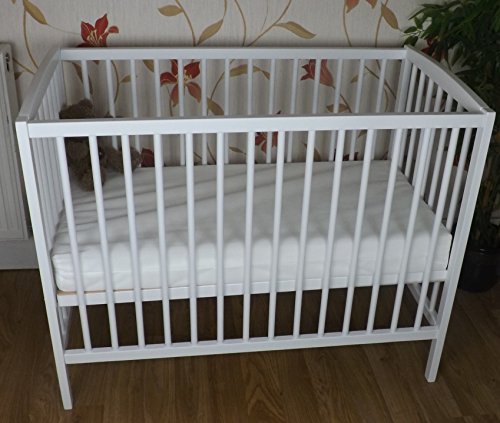
A baby cot bed, likewise understood merely as a cot, is a bed specifically designed for babies and young children. These beds are normally raised off the ground and include high sides to avoid the baby from falling out. As your kid grows, lots of cot beds can be converted into young child beds, extending their functionality for several years.
Types of Baby Cot Beds
Below is a comparison table that details the various types of baby cot beds readily available on the market:
| Type of Cot Bed | Description | Pros | Cons |
|---|---|---|---|
| Requirement Cot Bed | A fixed-size cot designed for infants and toddlers. | Budget-friendly, strong. | Minimal adjustability. |
| Convertible Cot Bed | Can be changed into a young child bed or perhaps a day bed. | Long-term use, versatile. | Generally more pricey. |
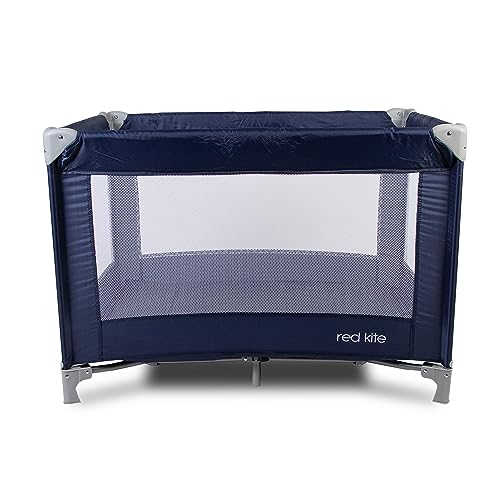
| Portable Cot Bed | Light-weight and foldable, perfect for travel. | Easy to move, space-saving. | May lack toughness. |
| Mini Cot Bed | Smaller sized than basic cots, suitable for small spaces. | Perfect for homes. | Restricted lifespan. |
| Moses Basket | A portable, light-weight bed for newborns. | Really portable, relaxing. | Brief usage duration. |
Picking the Right Baby Cot Bed
Selecting the right cot bed includes considering numerous factors. Here’s a list of essential aspects to remember:
-
Safety Standards: Always look for compliance with security regulations. Search for products licensed by relevant authorities, such as the Consumer Product Safety Commission (CPSC) in the U.S. or the British Standards (BS) in the U.K.
-
Size: Consider the area available in your house. A basic cot may not fit in smaller sized nurseries, while mini cots or portable choices might be better.
-
Material: Cot beds are usually made from wood, MDF, or a mix of materials. Strong wood choices are generally tougher and more resilient.
-
Height Adjustability: Some cot beds use adjustable bed mattress heights, which can be especially helpful as your baby grows. Start with the highest setting for simple access to a newborn, and lower it as the baby begins to pull up.
-
Alleviate of Conversion: If thinking about a convertible cot bed, examine how simple it is to change. Some models may require additional parts or tools.
Safety Considerations
The safety of your baby is paramount. Below are important security tips when using a baby cot bed:
- Mattress Fit: The mattress must fit comfortably within the cot bed frame, with no gaps that may present a suffocation risk.
- Avoid Soft Bedding: Avoid positioning pillows, blankets, or toys in the cot bed, as they can increase the danger of suffocation.
- Inspect for Recalls: Regularly examine if your cot bed has actually been recalled due to safety issues.
- Steady Structure: Ensure the cot bed is durable and does not wobble. It ought to also be devoid of sharp edges.
Maintenance and Care
Preserving your baby cot bed is necessary for toughness and hygiene. Here are some care tips:
- Regular Cleaning: Wipe down the cot bed with a wet fabric and mild detergent. Prevent harsh chemicals that may be hazardous for babies.
- Inspect for Wear: Regularly check the cot for any loose parts, splintering wood, or damaged materials.
- Replace Mattress: Over time, the mattress might lose its firmness or establish mold; replacing it as required is important.
Transforming a Cot Bed
Lots of parents choose convertible cot cribs beds that can transition from a baby crib to a young child bed. Here’s a quick overview of the conversion process:
- Remove One Side: Most convertible cot beds have a side that can be removed to create a young child bed.
- Adjust Mattress Height: Ensure the mattress is at the proper height for your child.
- Include Safety Rails (if suitable): Some models include security rails for included protection.
Frequently asked questions
What is the difference in between a cot and a cot bed?
A cot bed is typically larger than a routine cot and is designed to accommodate a child from birth to around 5 years old. Cot beds typically include convertible choices for extended use.
When should I move my baby to a cot bed?
Most infants shift from a crib to a cot bed between 18 months and 3 years, depending on their development and readiness.
What bed mattress should I utilize for a cot bed?
Choose a firm, flat bed mattress particularly created for cots that fits comfortably within the frame to prevent any spaces.
For how long can a kid use a cot bed?
A cot bed can usually be utilized up until a child is around 5 years old, depending upon size and specific style.
Are portable cot beds safe?
Portable cot beds are generally safe if they meet security requirements and are utilized according to the producer’s directions. Always ensure they are firmly set up.
Choosing the right baby cot bed is an essential choice that impacts your child’s safety and convenience. By understanding the different types available, essential safety factors to consider, and maintenance tips, parents can make informed choices that provide a protected and comfortable sleep environment for their little ones. As your child grows, the right cot bed can adapt and alter, offering support through early youth. Buying a top quality cot bed ensures lots of serene nights ahead, both for parents and their precious children.
