

Mini Exercise Cycle
Add a review FollowOverview
-
Founded Date juin 9, 2008
-
Sectors Technicien en systèmes de sûreté
-
Posted Jobs 0
-
Viewed 12

Company Description
The No. One Question That Everyone Working In Stationary Bike Should Be Able Answer
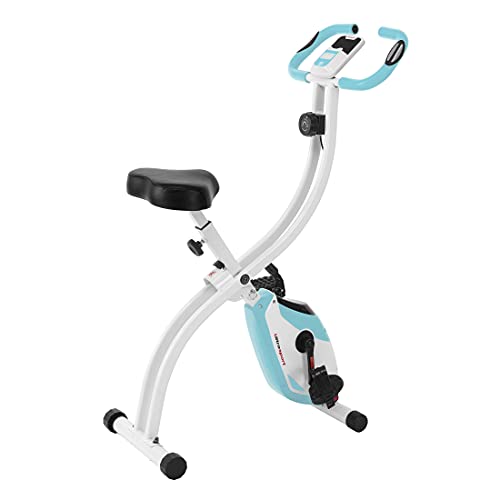
The Ultimate Guide to Stationary Bikes: Your Ticket to Effective Indoor Cycling
Over the last few years, stationary bicycles have surged in popularity as an available and efficient way to remain fit. Whether you’re looking to shed pounds, develop endurance, or merely incorporate more exercise into your everyday regimen, a stationary bicycle can be a great addition to your home health club or physical fitness programs. In this detailed guide, we’ll look into the different types of stationary bikes, their advantages, and tips for taking advantage of your exercises.
Table of Contents
- Introduction to Stationary Bikes
- Types of Stationary Bikes
- 2.1 Upright Bikes
- 2.2 Recumbent Bikes
- 2.3 Spin Bikes
- Advantages of Using a Stationary Bike
- Secret Features to Consider
- Tips for Effective Workouts
- Regularly Asked Questions (FAQ)
- Conclusion
1. Introduction to Stationary Bikes
Stationary bikes have actually become associated with Home Exercise Equipment exercises, especially with the increase of fitness technology and virtual classes. These bikes provide a low-impact cardiovascular workout that can be customized to different fitness levels. They appropriate for everybody– from skilled professional athletes to individuals simply starting their fitness journeys.
Table 1: Stationary Bikes Market Growth
| Year | Market Size (in million GBP) | Growth Rate (%) |
|---|---|---|
| 2020 | 420 | 8.3 |
| 2021 | 455 | 8.3 |
| 2022 | 510 | 12.1 |
| 2023 | 575 | 12.7 |
| 2024 | 650 | 13.1 |
2. Kinds Of Stationary Bikes
Comprehending the various kinds of stationary bicycles can help individuals choose the right devices for their needs.
2.1 Upright Bikes
Upright bikes are the most traditional type of stationary bikes, created to mimic the feel of riding a regular bicycle. They have actually a seat placed above the pedals and supply a workout that mostly targets the legs, core, and cardiovascular system.
2.2 Recumbent Bikes
Recumbent bikes include a bigger, more comfortable seat with a backrest, permitting a more relaxed workout position. This type is particularly beneficial for individuals with back problems or those looking for a gentler exercise equipment alternative.
2.3 Spin Bikes
Spin bikes are designed for high-intensity workouts, often utilized in group classes. They have a more adjustable resistance system, enabling riders to increase obstacles significantly, while likewise including a tough frame that can withstand vigorous movements.
Table 2: Comparison of Bike Types
| Function | Upright Bike | Recumbent Bike | Spin Bike |
|---|---|---|---|
| Seat Position | Upright | Reclined | Upright |
| Back-rest | No | Yes | No |
| Adjustable Resistance | Yes | Yes | Yes |
| Perfect For | General Fitness | Rehab | High-Intensity Training |
3. Advantages of Using a Stationary Bike
The advantages of incorporating a fixed bike into one’s fitness routine are numerous:
- Cardiovascular Health: Regular cycling increases heart rate, improving cardiovascular health and endurance.
- Low-Impact Exercise: Stationary bikes provide a low-impact exercise, decreasing the danger of injury, specifically for those with joint concerns.
- Personalized Workouts: Users can easily change resistance and slope to suit their fitness levels.
- Convenience: With a stationary bicycle at home exercise bike, individuals can good exercise bike anytime, irrespective of climate condition or time restraints.
- Burning Calories: An efficient way to burn calories, stationary bicycles can aid in weight management and weight loss.
- Engagement: Many bikes featured interactive screens or connectivity to physical fitness apps, keeping exercises engaging and encouraging.
4. Secret Features to Consider
When choosing a fixed bike, consider the following functions to guarantee you select the very best fit:
- Adjustable Seat: A seat that can be adjusted both vertically and horizontally permits a more comfy and ergonomic fit.
- Resistance Levels: Look for bikes with multiple resistance settings to accommodate your various fitness levels and workout goals.
- Built-in Workouts: Bikes with programmed workouts can assist diversify routines and keep users engaged.
- Display Console: An easy to use console with metrics like range, time, and calories burned can help track development effectively.
- Weight Capacity: Ensure the bike supports the weight of users, especially if it will be used by numerous individuals.
5. Tips for Effective Workouts
To maximize the efficiency of workouts on a fixed bike, think about these tips:
- Warm-Up: Always begin with a warm-up to prepare your body for cycle exercise home.
- Appropriate Form: Maintain an upright posture and guarantee your knees align with the pedals.
- Interval Training: Incorporate interval training by alternating in between high-intensity bursts and healing periods for more effective calorie burning.
- Track Your Progress: Use apps or bike display screens to monitor your efficiency and set possible goals.
- Stay Hydrated: Keep a water bottle helpful, as hydration is important during workouts.
- Cool Down: Follow up with a cool-down duration to gradually reduce your heart rate and avoid tightness.
6. Frequently Asked Questions (FAQ)
Q1: How often should I use a stationary bike?A1: For optimal advantages, consider cycling 3 to five times a week for 30 to 60 minutes each session, adjusting based upon your physical fitness level.
Q2: Can I lose weight utilizing a stationary bicycle?A2: Yes! Consistent biking, combined with a well balanced diet, can help substantially in weight loss and management.
Q3: Is it safe for elders?A3: Absolutely. Stationary bicycles, especially recumbent models, are an exceptional choice for elders due to their low-impact nature.
Q4: What should I wear while utilizing a stationary bicycle exercise bicycle?A4: Wear comfortable, moisture-wicking clothes and encouraging shoes to boost your cycling experience.
Q5: Can I utilize a stationary bicycle for recovery?A5: Yes, stationary bicycles are typically advised for rehabilitation due to their low-impact nature, making them appropriate for recovery from injuries.
7. Conclusion
Including a fixed bike into your fitness routine can be a game-changer. Whether you decide for an upright, recumbent, or spin bike, the advantages are clear. By understanding the various types, features, and exercise strategies, people can produce a custom-made cycling experience that lines up completely with their physical fitness objectives. With commitment and the best devices, biking in your home can be a fulfilling and efficient way to remain active and healthy.
