

Oven Extractor Fan
Add a review FollowOverview
-
Founded Date août 20, 1906
-
Sectors Operateur en videoprotection en CSU
-
Posted Jobs 0
-
Viewed 14

Company Description
Five Killer Quora Answers On Extractor Hoods For Kitchens
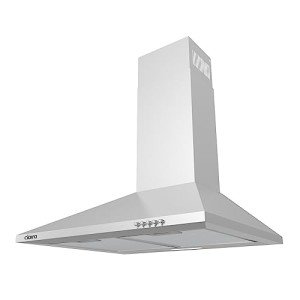
The Essential Guide to Extractor Hoods for Kitchens
When it pertains to creating a functional and enjoyable cooking environment, extractor hoods are frequently overlooked. These home appliances play a crucial function in maintaining air quality by getting rid of smoke, vapors, and undesirable smells that emerge during cooking. This blog post will look into the importance of extractor hoods, the various types readily available, important features to consider, and offer valuable FAQs to direct your selection process.
What Are Extractor Hoods?
Cooker Extractor Fans hoods, often described as range hoods or kitchen hoods, are devices installed above cooking appliances. Their main purpose is to catch smoke and grease particles created while cooking. They also help to remove odors, making sure that your kitchen stays fresh and clean.
Table 1: Key Functions of Extractor Hoods
| Function | Description |
|---|---|
| Air Purification | Eliminates smoke, odors, and grease particle from the air |
| Ventilation | Circulates and revitalizes indoor air quality |
| Temperature level Control | Assists regulate heat around cooking locations |
| Visual Appeal | Matches kitchen design and boosts general aesthetics |
Types of Extractor Hoods
Extractor Hoods For Kitchens hoods can be found in various designs and types, each suited for particular kitchen styles and cooking requirements. Understanding these types can assist you select the very best alternative for your home.
Table 2: Types of Extractor Hoods
| Type | Description | Pros | Cons |
|---|---|---|---|
| Wall-Mounted | Repaired to the wall above the stove, frequently utilized in open kitchens. | Space-saving, stylish, and efficient. | Requires enough wall space. |
| Under-Cabinet | Set up under a cabinet, suitable for compact kitchens. | Discreet and space-efficient. | May be less powerful than other types. |
| Island | Positioned above a cooking island, suitable for open-concept designs. | Boosts kitchen looks and performance. | More expensive and installation might be intricate. |
| Downdraft | Integrated into the cooktop and increases when needed, outstanding for kitchens with minimal area. | Minimalist style and conserves space. | Restricted suction power compared to conventional hoods. |
| Professional | Heavy-duty hoods created for commercial-grade ovens and stoves, perfect for major home cooks. | Effective ventilation and high efficiency. | Larger and may require professional installation. |
Necessary Features to Consider
When selecting an extractor hood, several functions ought to be examined to ensure you choose a home appliance that fits your cooking practices and kitchen design.
List of Features to Consider
-
Ventilation Type: Choose between ducted or ductless systems based on your kitchen’s layout.
- Ducted Hoods: Vent air to the outside, offering exceptional filtration.
- Ductless Hoods: Use filters to tidy and recirculate air back into the Kitchen Extractor Hoods, simpler to install.
-
Airflow Capacity: Measured in CFM (cubic feet per minute), which shows the volume of air the hood can move. Go for a minimum of 300 CFM for effective ventilation.
-
Sound Level: Look for designs ranked in sones (a system of perceived volume). A quieter operation (2-4 sones) is typically preferred, specifically in open areas.
-
Filter Type:
- Baffle Filters: Good for high temperature cooking; more resilient and easier to clean up.
- Mesh Filters: Usually made from aluminum; effective for light to medium cooking.
-
Control Options: Consider whether you ‘d prefer manual push buttons, touch controls, or smart functions that incorporate with home systems.
-
Lighting: Built-in lights are vital for visibility while cooking; LED alternatives are energy-efficient and lasting.
Table 3: Common Features Breakdown
| Function | Ducted | Ductless |
|---|---|---|
| Air flow Capacity | High (400+ CFM) | Varies (generally lower) |
| Filtration | Mainly baffle | Charcoal or aluminum mesh |
| Installation | More intricate | Normally simpler |
| Noise Level | Quieter alternatives exist | Can be noisier due to limited styles |
| Expense | Higher preliminary cost | More inexpensive choices typically readily available |
Benefits of Using an Extractor Hood
The benefits of installing an Extractor Cooker Hood Cooker Hood Extractor Fan extend beyond simply getting rid of unpleasant odors; they substantially impact health and cooking effectiveness.
- Improved Air Quality: Reduces pollutants, supplying a much healthier cooking environment.
- Smell Control: Eliminates sticking around smells, enabling for an enjoyable kitchen experience.
- Fire Safety: Limits the danger of grease fires by getting rid of combustible particles from the air.
- Boosted Cooking Visibility: Bright lighting enhances presence when cooking.
- Elegant Addition: Complements kitchen design and improves general aesthetic appeal.
Frequently Asked Questions (FAQs)
1. How do I identify the ideal size extractor hood for my kitchen?
Measure your stove width and choose a hood that is at least 3 inches wider than your cooktop. Also, consider the height from the cooktop to the bottom of the hood (30-36 inches for best efficiency).
2. Are ducted hoods better than ductless hoods?
Yes, ducted hoods generally supply more reliable odor and smoke removal given that they vent air outside. Ductless hoods are simpler to set up however might require frequent filter changes to maintain effectiveness.
3. How often should I clean up the filters?
Tidy baffle filters every 3-4 months and replace or tidy mesh filters according to the manufacturer’s suggestions, generally every 1-2 months.
4. Do I require to work with a professional for installation?
For ducted hoods, professional setup is often recommended, particularly if comprehensive ductwork is involved. Ductless hoods are normally more uncomplicated and can generally be DIY-installed.
5. What is the most energy-efficient choice?
Look for hoods with LED lighting and Energy Star-rated models that use less energy without sacrificing performance.
Selecting the ideal extractor hood for your kitchen is necessary for preserving air quality, security, and looks. By understanding the different types and functions of extractor hoods, homeowners can make an educated decision that best fits their cooking habits and kitchen design. Whether you’re an occasional cook or a culinary lover, setting up a quality extractor hood is a significant step toward producing a more pleasurable kitchen environment.
