

Soffit Board Replacement
Add a review FollowOverview
-
Founded Date mars 9, 1949
-
Sectors Technicien en systèmes de sûreté
-
Posted Jobs 0
-
Viewed 13

Company Description
5 Killer Quora Answers To Upvc Fascias
Understanding UPVC Fascias: A Comprehensive Guide
When it concerns home enhancement and exterior upkeep, one aspect that typically goes neglected is the fascia board. While they may look like a minor information, UPVC (Unplasticized Polyvinyl Chloride) fascias play an important role in maintaining the aesthetics and performance of a home. This blog site post explores what UPVC fascias are, their advantages, Soffit Installation process, maintenance ideas, and responses to frequently asked questions.
What are UPVC Fascias?
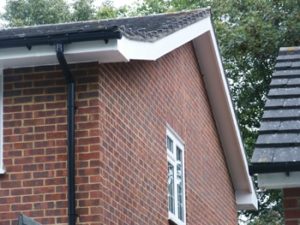
UPVC fascias are boards repaired to the edges of the Roofline Maintenance, directly supporting the lower edge of the roof and functioning as a protective barrier versus weather aspects. They are usually utilized to cover the rafter ends, providing a clean surface while ensuring that the roofing remains structurally sound.
Advantages of UPVC Fascias
The advantages of utilizing UPVC fascias over standard materials like wood or metal consist of:
| Benefit | Description |
|---|---|
| Durability | UPVC fascias are resistant to rot, warping, and pest damage, making them a lasting alternative. |
| Low Maintenance | Unlike wooden fascias, UPVC does not require routine painting or staining. A simple wipe-down with a wet fabric suffices. |
| Visual Appeal | UPVC fascias come in numerous colors and designs, permitting house owners to choose a look that matches their residential or commercial property’s architecture. |
| Economical | Though the preliminary investment might be higher than wood, the long-term savings on repairs and maintenance frequently outweigh the expenses. |
| Weather condition Resistance | UPVC fascias are created to hold up against the elements, consisting of UV rays, rain, and extreme temperatures. |
Installation Process of UPVC Fascias
Setting up UPVC fascias includes numerous steps. Here is an in-depth breakdown of the process:
Tools and Materials Required
- UPVC fascia boards
- UPVC soffits (optional)
- Nails or screws
- Sealant
- Measuring tape
- Level
- Saw (if cutting is required)
- Safety equipment (gloves, safety glasses)
Step-by-Step Installation Guide
-
Preparation: Remove any existing fascia boards carefully to prevent damage to the roofing structure.
-
Measurement: Measure the length of the rafters to figure out the lengths of UPVC fascias required.
-
Cutting: If essential, cut the UPVC fascia boards to the measured lengths using a saw.
-
Repairing: Using nails or screws, attach the UPVC fascias to the rafter ends. Guarantee that they are level and protected.
-
Sealing: Apply sealant along the edges to supply extra security against moisture.
-
Completing Touches: Optionally, set up soffits beneath the fascias for a complete look and added ventilation.
Table 1: Installation Steps Overview
| Action | Description |
|---|---|
| Preparation | Eliminate old fascia boards, prepare location for brand-new installation. |
| Measurement | Step length and cut the UPVC fascias accordingly. |
| Fixing | Firmly connect fascias to the rafters with nails or screws. |
| Sealing | Apply sealant for wetness protection. |
| Finishing Touches | (Optional) Install soffits for aesthetics and ventilation. |
Maintenance Tips for UPVC Fascias
Although UPVC fascias are known for their low maintenance, some easy upkeep can lengthen their life and appearance:
-
Regular Cleaning: Wipe down the fascias with warm soapy water to get rid of any dirt or grime. Prevent harsh chemicals that can damage the product.
-
Examine for Damage: Periodically look for indications of wear and tear, especially after serious weather conditions.
-
Examine Seals: Ensure that the sealant is undamaged; change if necessary to prevent wetness ingress.
-
Trim Nearby Vegetation: Keeping surrounding trees and shrubs trimmed back can help prevent particles build-up on fascias.
-
Avoid Climbing on the Roof: Direct weight on your fascias can cause damage. Constantly utilize ladders or scaffolding when dealing with your roofing system.
Regularly Asked Questions (FAQ)
Q1: How long do UPVC fascias usually last?A: UPVC
fascias can last anywhere between 20 to 30 years with correct maintenance, making them a resilient alternative.
Q2: Can UPVC fascias be painted?A: While UPVC fascias
can be found in different colors, they are not created to be painted. Any paint used may not adhere well and can shorten their life-span.
Q3: Are UPVC fascias fire-resistant?
A: UPVC has some level of fire resistance, but it is not entirely fireproof. Ensure compliance with local building policies regarding fire security.
Q4: Can I set up UPVC fascias myself?A: While DIY installation is possible for those with fundamental home enhancement skills, working with a professional is recommended to guarantee appropriate installation. Q5: How do UPVC fascias compare to wooden fascias?A: UPVC fasciasare more long lasting, require less maintenance, and are generally more
Affordable Soffit Replacement in the long run compared to wooden fascias. UPVC fascias are a vital part of your home’s exterior that provide both visual appeal
and structural assistance. With their many advantages, simple installation, and very little upkeep, they are a superior option compared to conventional materials. By following the tips described in this guide and staying notified, house owners can make sure that their UPVC fascias continue to perform successfully for years to come. Whether you’re seeking to change old fascias or considering an upgrade, UPVC fascias provide a compelling option that aligns with both functionality and style.
